



Decoding the Himalayan Winter Weather
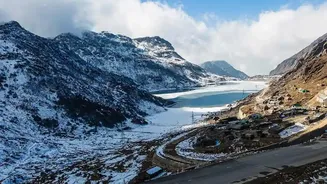
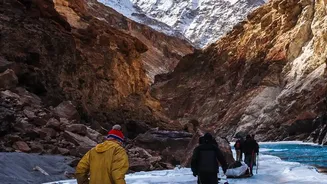
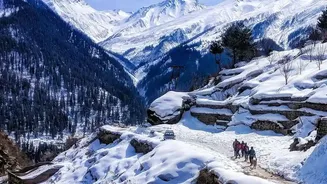
Himalayan weather is notoriously fickle, and winter amplifies its unpredictability. Temperatures can plummet to -20°C or lower, especially at higher altitudes in places like Ladakh. What might be a sunny morning can turn into a blizzard by afternoon.
Before you even book your tickets, start monitoring the weather. Look beyond the basic temperature forecast; pay attention to predictions for heavy snowfall, wind chill, and visibility. Use official sources like the India Meteorological Department (IMD), which provides district-specific warnings for states like Himachal Pradesh and Uttarakhand. Early season snowfall has already been reported in higher reaches, but this doesn't mean all tourist towns are accessible. One valley might be clear while another is completely cut off, so your planning needs to be specific to your exact destination.
Navigating Treacherous Winter Roads
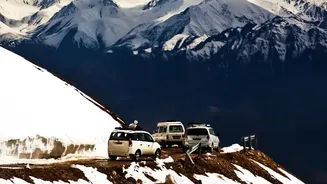
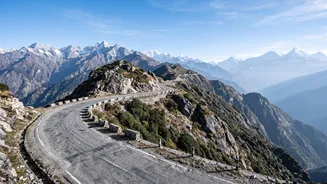
Winter travel in the Himalayas is dictated by road access. Many iconic routes, including the Manali-Leh Highway and high passes like Rohtang, officially close for months due to heavy snow. Even roads that remain 'open' are subject to temporary closures. As of late October 2026, recent snowfall has already made roads in Lahaul-Spiti slippery, prompting authorities to regulate traffic hours on certain stretches to ensure safety. The Atal Tunnel provides crucial all-weather connectivity between Manali and the Lahaul Valley, but it can also shut down temporarily due to heavy snow or avalanche risk. Before you travel, and each day during your trip, check the real-time road status from official sources like district administration websites or local police traffic pages. If you plan to drive, a 4x4 vehicle is highly recommended. For most tourists, hiring an experienced local driver who understands the terrain and vehicle limitations is the safest and most reliable option.
Securing Your Winter Accommodation
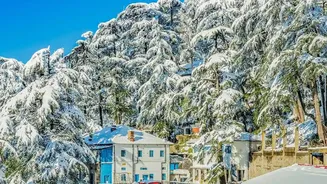
Don't assume your favourite summer guesthouse will be open in winter. A significant percentage of hotels and homestays in high-altitude regions like Ladakh and parts of Himachal close down from November to March. The primary reason is the extreme cold, which can freeze water pipes and make operations difficult. For those that do remain open, it's crucial to confirm winter-specific amenities before booking. Ask directly about the heating situation—do they offer central heating or traditional 'bukhari' stoves? Is there a guarantee of running hot water, or will you be relying on bucket baths? Booking your accommodation well in advance is essential. In popular, accessible spots, the limited number of open hotels can fill up quickly, especially around holidays. Confirming your stay ensures you won't be left scrambling for a warm bed in sub-zero temperatures.
Packing Essentials and Acclimatization
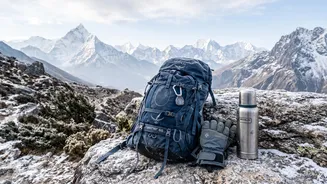
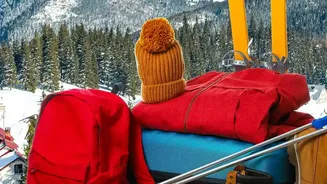
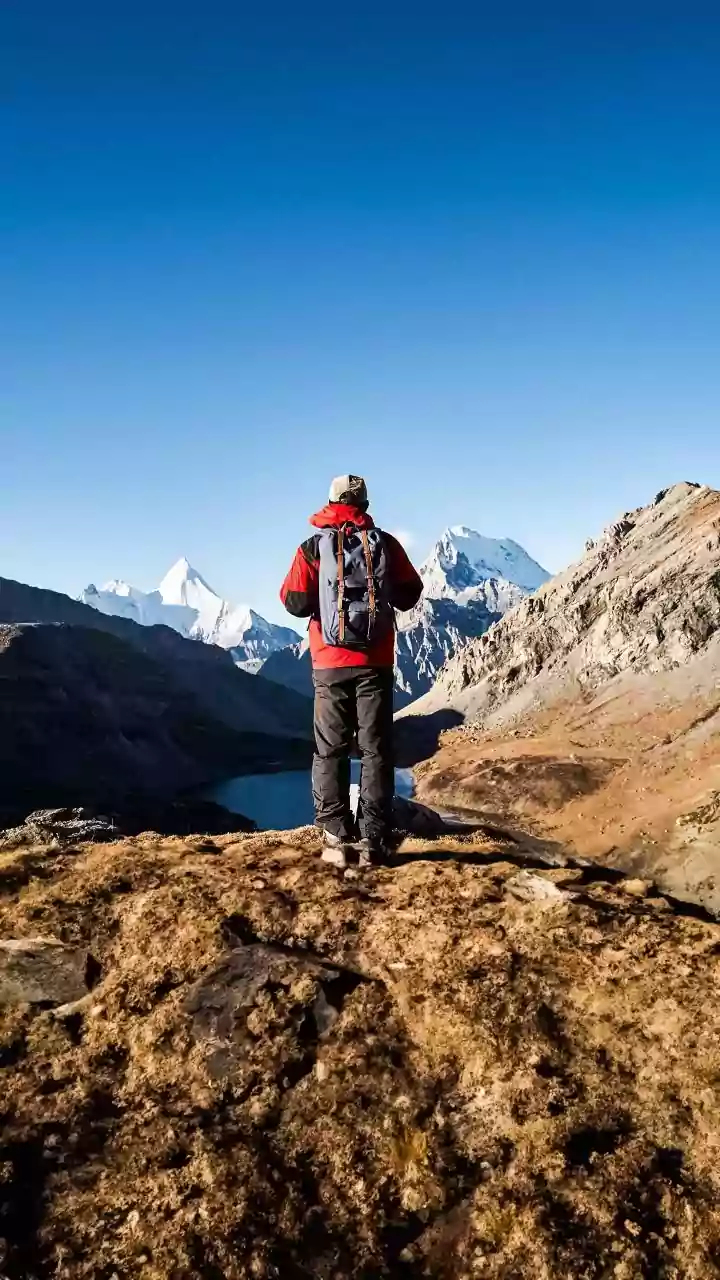
Your packing list for a Himalayan winter is a crucial part of your preparation. The key is layering. Start with a moisture-wicking thermal base layer, add a fleece mid-layer, and top it with an insulated, waterproof jacket. Waterproof, high-ankle trekking boots with good grip are non-negotiable for walking on snow and ice. Also pack warm woollen socks, gloves, a cap, and sunglasses to protect against high-altitude UV rays. Equally important is acclimatization. Your body needs time to adjust to the lower oxygen levels, a process made slower by the cold. Upon arriving in a high-altitude location like Leh, the official advisory is to rest for a minimum of 48 hours before undertaking any significant activity. Pushing yourself too soon can lead to Acute Mountain Sickness (AMS), which can be dangerous. Stay hydrated, avoid strenuous exertion initially, and listen to your body.