








What Exactly Is Coastal Acidity?
First, let's clarify: 'coastal acidity' isn't a scientific term, but a culinary one. It describes the unique sourness derived from ingredients native to India's long coastline. Think beyond the sharp, aggressive tang of lemon or vinegar. Instead, this
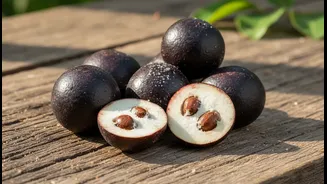
trend celebrates a more complex, mellow, and often fruity tartness. The star players are ingredients like kokum, also known as Malabar tamarind, which imparts a floral, tart taste. Other contributors include specific regional varieties of tamarind, raw mango, and fruits like karonda (Bengal currant). These ingredients provide a sourness that is more nuanced, balancing flavours rather than overpowering them. This movement represents a deeper dive into India's vast pantry, with chefs and baristas looking to ingredients from the Konkan, Malabar, and Coromandel coasts to create something new yet deeply rooted in tradition.
The Trend on Your Plate and in Your Cup
Acidity in food and drink is crucial. It acts as a natural flavour enhancer, cutting through richness, balancing sweetness, and adding a refreshing quality that makes you want another bite or sip. In contemporary Indian café menus, this principle is being applied with a distinctly local twist. Instead of a standard lemon wedge with your fish, you might find it served with a kokum-based sauce. Desserts are moving beyond simple sweetness, incorporating the tartness of coastal berries to balance creamy textures. This shift is part of a larger culinary movement focused on showcasing regional Indian produce in modern, globally relevant formats.
Acidity in Indian Coffee and Chocolate
In the world of specialty beverages, acidity is a prized characteristic. For coffee, it translates to the bright, lively, and fruity notes that distinguish a high-quality single-origin bean. Indian coffees, particularly Arabicas from high-altitude estates in regions like Baba Budangiri, are known for their complex acidity, often described as citric or wine-like. Roasters and cafes are now highlighting this, helping customers appreciate a coffee's terroir—the unique taste of its origin. Similarly, Indian craft chocolate makers are exploring the natural acidity of cacao. Depending on fermentation and processing, Indian cacao can yield chocolate with vibrant fruit notes. A bar of single-origin dark chocolate from the West Godavari region, for example, might reveal a gentle, pleasant acidity that beautifully complements its earthy profile.
A New, Tangy Twist on Ramen
Perhaps the most surprising place 'coastal acidity' is showing up is in ramen bowls. Traditionally a Japanese dish, ramen has been enthusiastically adopted and adapted across India. While early fusion versions involved adding Indian spices to instant noodles, a more sophisticated approach is emerging. Chefs are now reimagining the fundamental components of ramen using Indian ingredients. The 'tare'—the concentrated seasoning that defines the broth's flavour—is being made with coastal souring agents. Imagine a ramen broth that gets its signature tang not from mirin or vinegar, but from a kokum or raw mango reduction. This creates a dish that is recognisably ramen in structure but has a flavour profile that is distinctly Indian, offering a spicy, tangy, and deeply comforting experience.
A Celebration of Local Flavours
Ultimately, the rise of 'coastal acidity' is more than just a passing fad. It signals a growing confidence and curiosity in India's own culinary heritage. Chefs are no longer just looking outwards for inspiration but are turning inwards, exploring the incredible diversity of ingredients found in their own backyards. This trend champions sustainability, supports local producers, and educates diners about the nuances of regional Indian flavours. It’s a re-evaluation of what 'Indian food' can be, presenting traditional ingredients in exciting and unexpected contexts.