







From Urban Burnout to Monsoon Bliss
The relentless pace of city life, coupled with digital fatigue, has left many young professionals searching for more than just a vacation. They are seeking transformation. The traditional tourist checklist of crowded hotspots and frantic sightseeing is being
replaced by a desire for stillness, introspection, and authentic connection. This is where slow travel comes in. It is an approach that values depth over breadth—spending more time in one place, engaging with local rhythms, and allowing the journey itself to be the destination. The goal is no longer to escape life, but to reconnect with it on a more meaningful level, and for many, the monsoon provides the perfect canvas for this shift.
The Allure of a Rain-Soaked Off-Season
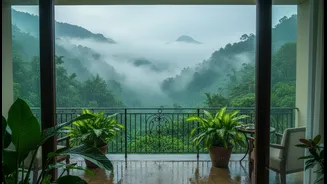
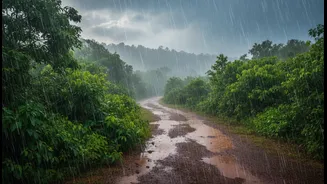
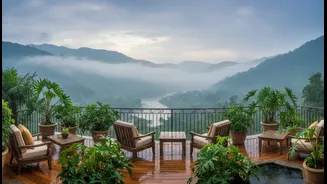
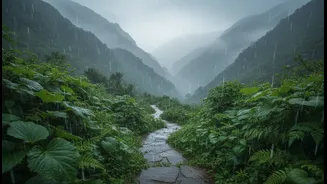
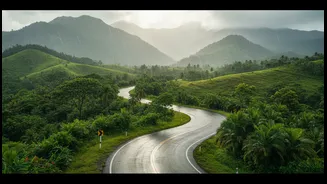
For decades, the monsoon was considered an inconvenient time for travel in India. But that perception has dramatically changed. Today, the rainy season is celebrated for its unique magic: fewer crowds, cooler temperatures, and landscapes transformed into lush, emerald spectacles. The sound of the rain, the scent of wet earth, and the mist-covered hills create a naturally introspective atmosphere that encourages you to slow down. What was once a shoulder season is now being recognised by the travel industry as a prime time for immersive experiences. Destinations across the Western Ghats, Kerala, and the Himalayas are witnessing a surge in interest from travellers looking to experience this quieter, more reflective side of India.
Decoding Spiritual Slow Travel
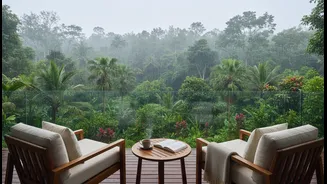
The “spiritual” element in this travel trend is often personal rather than strictly religious. It’s about wellness in a broader sense—finding inner peace, practising mindfulness, and connecting with nature. For some, this might involve staying at a dedicated wellness retreat offering yoga, meditation, and Ayurvedic therapies, which are considered particularly effective during the monsoon when the body is more receptive to healing. For others, it's a simpler affair: a solo trek through a rain-washed forest, a quiet stay in a heritage villa in the hills, or mindful walks with no fixed agenda. Recent data shows a significant spike in searches for destinations like Rishikesh and Mussoorie during the monsoon, highlighting a clear preference for places that offer a blend of nature and spiritual well-being. This kind of travel prioritises experiences like forest bathing, sound healing, and simply disconnecting from notifications in favour of listening to the rain.
Modern Pilgrimages: Trails of Transformation
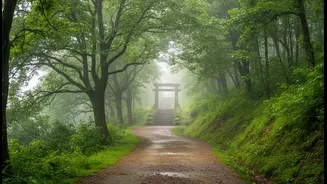
Several regions in India have become hotspots for these modern-day pilgrimages. In Karnataka, the coffee estates of Coorg and Chikmagalur offer trails that invite slow, intentional travel, with guided forest bathing and birdwatching replacing packed itineraries. Kerala, a long-established wellness hub, continues to attract visitors with its Ayurvedic sanctuaries and tranquil backwaters in places like Wayanad and Kumarakom. In Maharashtra, lesser-known destinations like Amboli and the ancient Naneghat pass are gaining favour over crowded hill stations, offering misty waterfalls and serene forest temples. Up north, the Himalayan foothills in Uttarakhand and Himachal Pradesh provide a classic setting for spiritual treks to ancient temples like Rudranath and Tungnath, or simply a quiet retreat in the hills of Chail. These journeys are less about conquering peaks and more about finding peace along the way.