

Often overlooked, the humble green pea, or matar, is a powerhouse of flavour and versatility in Indian cuisine. From comforting curries to fragrant rice dishes, these vibrant jewels can elevate any meal, especially the beloved pea-filled paratha.
The Star: Pea-Filled Paratha (Matar Paratha)
Matar
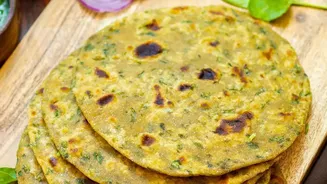
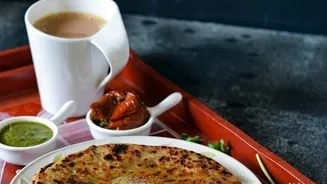
Paratha is a North Indian breakfast staple that rightfully deserves its fame. This whole-wheat flatbread is stuffed with a flavourful mixture of mashed green peas, herbs, and spices. The magic lies in the filling. To create it, fresh or frozen peas are cooked until tender and then coarsely mashed. This mashed mixture is then sautéed with ingredients like cumin seeds, ginger, green chillies, and sometimes a pinch of asafoetida or dry mango powder (amchur) for a tangy kick. Some recipes also recommend roasting a little gram flour (besan) and adding it to the filling to absorb excess moisture and add a nutty aroma. The prepared dough is rolled into small discs, a generous amount of the pea filling is placed in the center, and it's sealed before being rolled out again into a paratha. Cooked on a hot tawa (griddle) with a bit of ghee or oil until golden brown spots appear on both sides, it's a truly satisfying meal. Serve it hot with a side of plain curd, butter, or a tangy pickle for a perfect start to your day.
The Classic: Creamy Matar Paneer
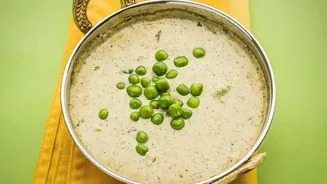
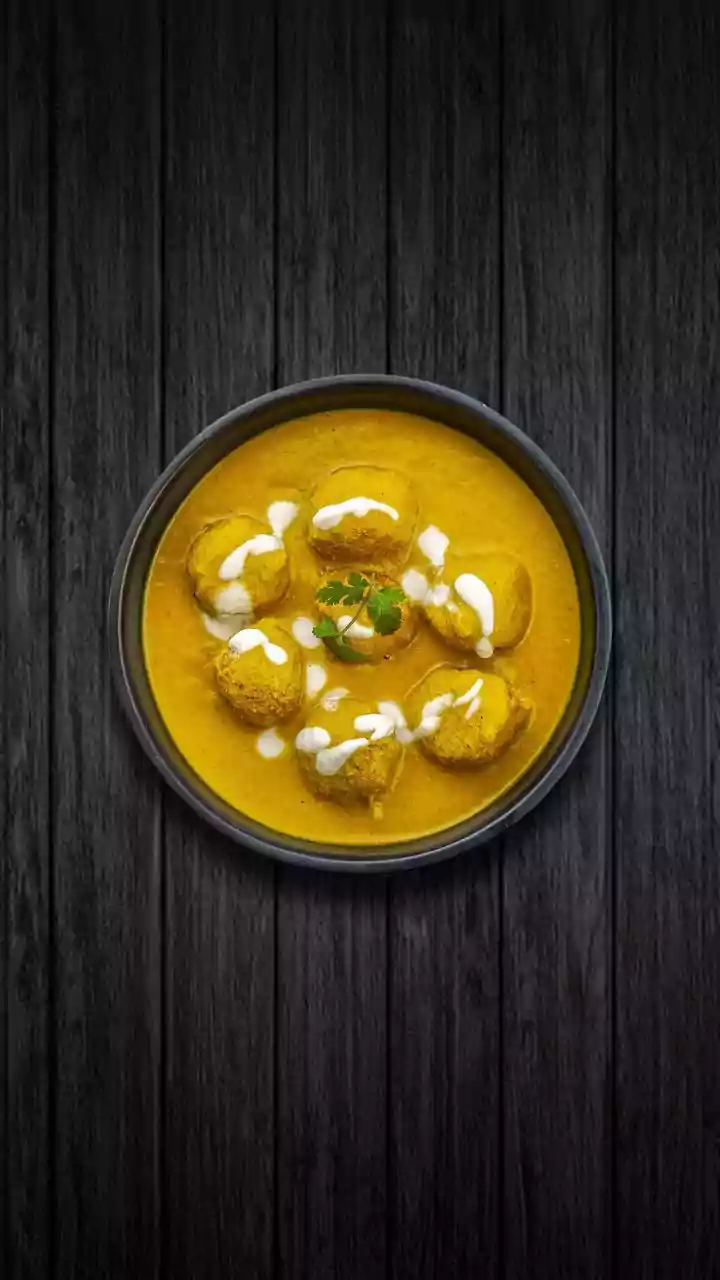
No list of pea recipes is complete without Matar Paneer. This iconic curry brings together soft cubes of paneer (Indian cottage cheese) and sweet green peas in a luscious, spiced tomato-based gravy. The foundation of a great Matar Paneer is its masala. Typically, it starts with sautéing onions, ginger, and garlic, followed by tomatoes and a blend of spices like turmeric, coriander powder, and red chilli powder. Many recipes use a puree of tomatoes, onions, and sometimes cashews to achieve a smooth, restaurant-style gravy. After the gravy is cooked until the oil begins to separate—a sign that the spices are well-cooked—the green peas are added. The paneer cubes, which can be used soft as they are or lightly pan-fried until golden, are added towards the end. A final flourish of garam masala, kasuri methi (dried fenugreek leaves), and sometimes a splash of cream makes the dish rich and aromatic. It pairs beautifully with naan, roti, or steamed basmati rice.
The Comforting Staple: Aloo Matar
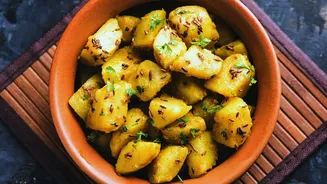
Aloo Matar is the quintessential North Indian comfort food. This simple and hearty curry of potatoes (aloo) and green peas is a staple in many households for its ease of preparation and delicious taste. It can be made as a dry 'sabzi' or with a thin, flavourful gravy. The process generally involves tempering oil with cumin seeds, then sautéing an onion-tomato base with ginger-garlic paste. Spice powders like turmeric, coriander, and red chilli powder are added and cooked before the cubed potatoes and green peas go in. Water is then added to create the gravy, and the curry is simmered until the potatoes are fork-tender and have absorbed the flavours of the masala. It's a versatile dish that can be adjusted to your preferred level of spice and consistency, making it a perfect accompaniment for roti, puri, or rice.
The Fragrant One-Pot Meal: Matar Pulao
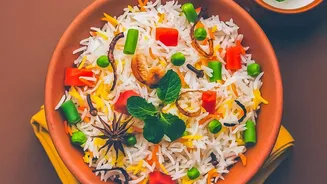
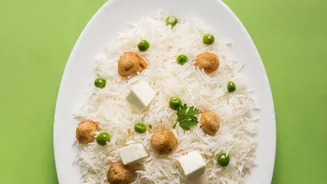
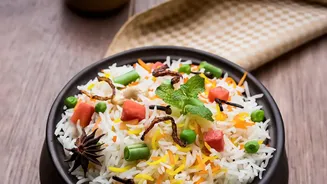
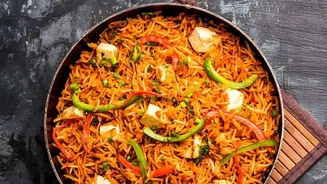
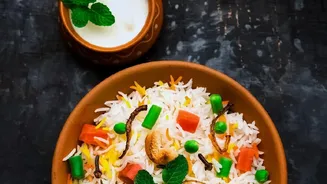
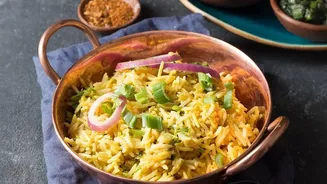
When you're short on time but craving something special, Matar Pulao is the answer. This fragrant one-pot rice dish is elegant yet incredibly simple to make. It involves cooking long-grain basmati rice with green peas and a selection of aromatic whole spices. The process begins by sautéing whole spices like cumin seeds, bay leaves, cinnamon, and cardamom in ghee or oil until they release their fragrance. Sliced onions are often fried until golden brown, which adds a deep, sweet flavour and colour to the pulao. After a quick sauté of ginger-garlic paste, the green peas and soaked rice are added, followed by water or broth. The dish is then cooked, either in a pot or a pressure cooker, until the rice is fluffy and has absorbed all the aromatic flavours. Garnished with fresh coriander, this pulao is a complete meal on its own or can be served with a side of raita.
Tips for Perfect Peas
Whether you use fresh or frozen peas can make a difference. Fresh peas, available in winter, are wonderfully sweet and tender but require shelling. Frozen peas are a fantastic convenience as they are picked and flash-frozen at peak ripeness, preserving their flavour and nutrients. In fact, most frozen peas are blanched before freezing, so they require very little cooking time. One of the biggest mistakes is overcooking them, which can make them mushy and dull their vibrant colour. For most dishes, peas should be added towards the end of the cooking process. A quick steam or boil for just 2-4 minutes is often all they need. To retain their bright green colour, you can blanch them in salted boiling water for a minute or two and then plunge them into ice water before adding them to your dish.