


Understanding the 'K': What is a Karat?
Before comparing 22K and 24K, it's crucial to understand what 'Karat' means. A Karat (K) is the unit used to measure the purity of gold. The system is based on a scale of 24 parts. Think of it as a fraction out of 24. For instance, 18K gold is 18 parts pure
gold and 6 parts other metals. The higher the Karat number, the greater the amount of pure gold in your jewellery. It's important not to confuse Karat with 'carat' (ct), which is a unit of weight for gemstones like diamonds.
24K Gold: The Purest Form
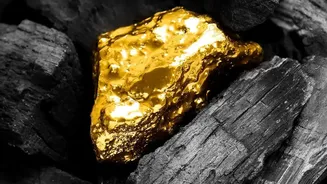
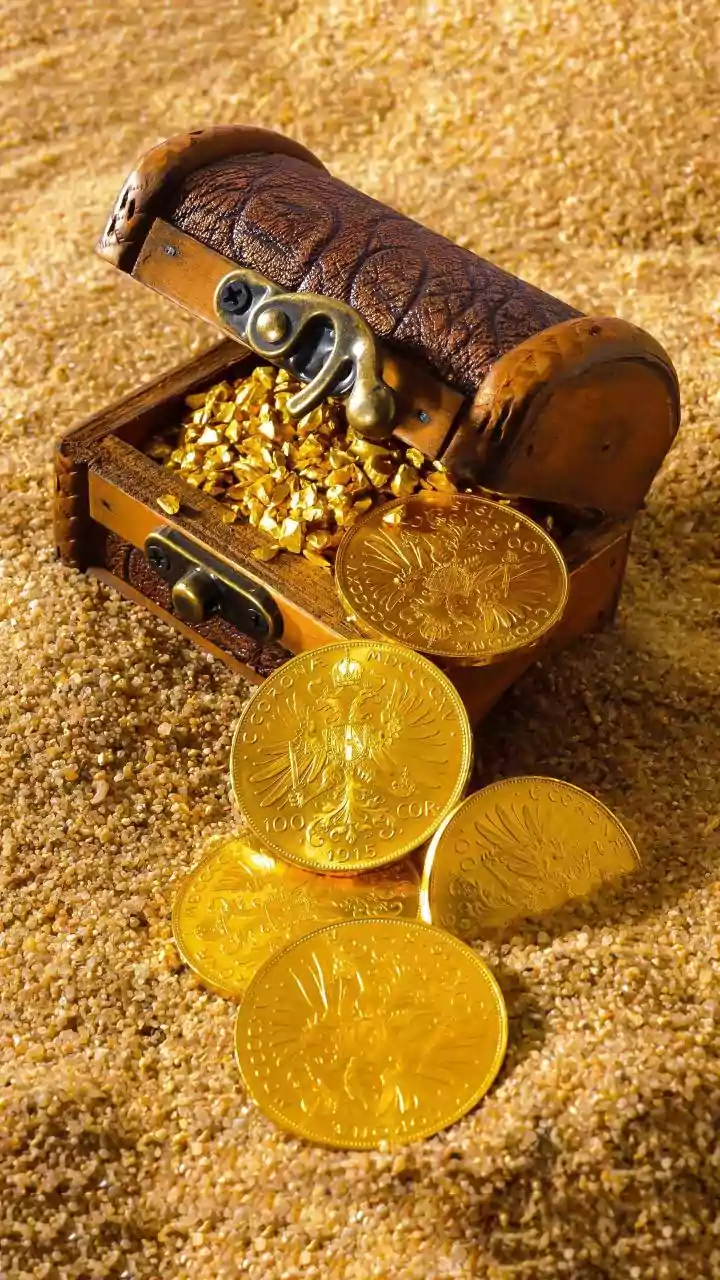
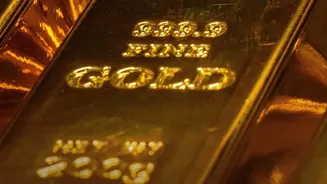
24K gold is the purest gold you can buy, consisting of 99.9% pure gold. It has no other metals mixed in. This purity gives it a distinct, bright yellow colour that is unmistakable. However, this purity comes with a trade-off: softness. 24K gold is highly malleable and soft, making it prone to scratching, bending, and denting. Because of this, it is generally considered unsuitable for regularly worn jewellery, especially intricate designs or items like rings and bracelets that face daily wear. Instead, 24K gold is the preferred choice for investment purposes, typically in the form of coins and bars.
22K Gold: The Jewellery Standard
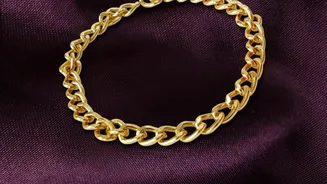
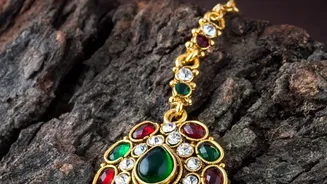
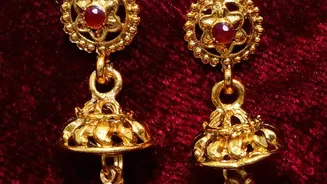
22K gold, also known as '916 gold', is the most popular choice for jewellery in India. It consists of 22 parts pure gold and 2 parts other metals, making it 91.67% pure gold. The remaining 8.33% is a mix of alloys like copper, silver, nickel, or zinc. These added metals make the gold harder and more durable, which is essential for crafting jewellery that can withstand daily use without losing its shape. This blend offers a perfect balance: it's still very high in gold content, maintaining a rich colour, but strong enough for creating detailed and long-lasting ornaments.
Durability vs. Purity: The Main Trade-Off
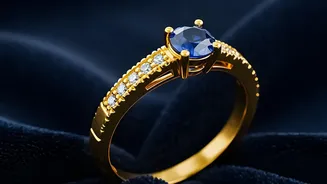
The fundamental choice between 22K and 24K gold comes down to durability versus purity. If you want a piece of jewellery for daily or frequent wear, 22K is the practical and recommended option. Its added strength ensures that bangles, chains, and rings won't easily deform. 24K gold, while beautiful, is simply too soft for most jewellery designs and is best reserved for special ceremonial pieces or as a pure investment. For a buyer in India, this means 22K gold is ideal for the bridal trousseau and everyday ornaments, while 24K coins are perfect for Dhanteras or as a financial asset.
Price, Making Charges, and Resale Value
Naturally, 24K gold is more expensive per gram than 22K gold because it contains more pure gold. However, the final price of jewellery is more complex. Jewellers add 'making charges,' which cover the cost of craftsmanship. These charges can vary significantly depending on the intricacy of the design. When it comes to resale, both are valuable. 24K gold will fetch a price closer to the day's market rate for pure gold. 22K jewellery also has excellent resale value, though jewellers will deduct the non-gold alloy content and making charges are not refunded.
The Importance of BIS Hallmarking
Regardless of whether you choose 22K or 24K, the most crucial factor for an Indian buyer is the BIS Hallmark. This is a certification from the Bureau of Indian Standards (BIS) that guarantees the purity of the gold. Since 2021, hallmarking has been mandatory for gold jewellery in India to protect consumers. A hallmarked piece will have the BIS logo, the Karatage and fineness (e.g., 22K916), and a six-digit alphanumeric Hallmark Unique Identification (HUID) number. You can verify this HUID using the BIS CARE app to confirm the jewellery's authenticity.