







The Great 'Natural' Illusion
The word ‘natural’ paints a picture of sun-drenched fields and minimal human interference. On a food package, however, it’s often just part of the painting. In India, the Food Safety and Standards Authority (FSSAI) has recently begun to tighten its grip
on misleading marketing, issuing notices to brands for using terms like ‘natural’ and ‘healthy’ without clear justification. The problem is that these words create a ‘health halo’, a phenomenon where a single positive claim makes us believe the entire product is good for us. A packet of ‘natural’ veggie straws or ‘wholesome’ multigrain biscuits might still be loaded with refined flour, sodium, and hidden sugars, but the marketing convinces us otherwise. The front of the pack is advertising; the truth is on the back.
Filter 1: Ignore the Front, Study the Back
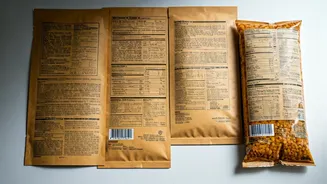
Your first and most powerful filter is to ignore the tempting claims on the front of the package. Flip it over. The ingredient list and the nutrition facts panel are where the real story is told. By law, ingredients must be listed in descending order of weight. This means the first three ingredients make up the majority of what you’re eating. If you see sugar, maida (refined flour), or palm oil in that top trio, you know the product’s foundation isn't as healthy as the ‘oats’ or ‘ragi’ highlighted on the front might suggest. A snack can claim it's 'made with whole grains' even if whole grains are the fourth ingredient after sugar and refined flour.
Filter 2: Decode the Sugar Disguises
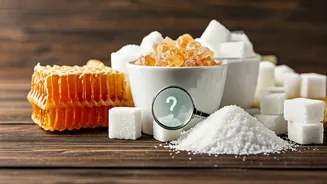
Sugar is a master of disguise. To avoid listing ‘sugar’ as the top ingredient, companies often use several different types of sweeteners. There are over 50 names for added sugar, and it’s crucial to learn to spot them. Look out for ingredients ending in ‘-ose’ like dextrose, fructose, and maltose. Also be wary of syrups (corn syrup, rice syrup), fruit juice concentrates, maltodextrin, and even seemingly ‘healthier’ options like jaggery, honey, or agave nectar. These are still added sugars that your body processes in much the same way. A popular trick is the ‘no added sugar’ claim on a fruit juice that is, by nature, almost entirely sugar.
Filter 3: Question the Serving Size
One of the most common tricks in the book is the serving size. A manufacturer might list the nutritional information for a serving of just two or three biscuits, knowing full well that most people will eat half the packet with their evening chai. Before you look at the calories, sugar, or fat content, check the serving size and the number of servings in the container. Then, do the mental maths for how much you are actually likely to consume. That ‘100-calorie’ snack is suddenly a 400-calorie reality check when you realise the packet contains four servings and you ate the lot.
Filter 4: Beware of 'Health-Washing'
Health-washing is the practice of adding a tiny amount of a trendy, healthy ingredient to an otherwise unhealthy product to give it a glow-up. Think of a sugary breakfast cereal with a sprinkle of chia seeds or a maida-based cookie that boasts a ‘touch of quinoa’. These token ingredients do little to improve the nutritional profile but do a lot to improve the product's image. Similarly, claims like ‘gluten-free’ or ‘baked, not fried’ are often used to create a health halo. A gluten-free cookie can have just as much sugar and fat as a regular one, and a baked chip can still be high in sodium and refined carbohydrates. Always look at the full picture—the ingredient list and the nutrition panel—not just the buzzwords.