


The Camera Sensor Revolution
The single biggest change in astrophotography has been the evolution of the digital camera. For decades, serious imagers relied on charge-coupled device (CCD) sensors, which were sensitive but expensive and complex. The game changed with the rise of complementary
metal-oxide-semiconductor (CMOS) sensors. Initially seen as inferior, modern CMOS sensors have become incredibly sensitive to faint light, with lower noise and faster readout speeds than their CCD counterparts. This technology, now common in everything from smartphones to dedicated astronomy cameras, means amateurs can get high-quality, low-noise data at a fraction of the historical cost. This shift has democratized the very first step of capturing photons from across the universe.
Finding Needles in a Cosmic Haystack
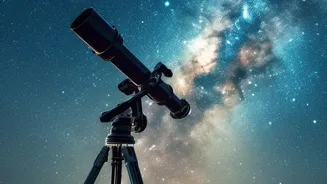
Capturing a deep-sky object requires pointing a telescope at a specific, often invisible, patch of sky and tracking it perfectly as the Earth rotates. This used to be a tedious, manual process. Today, affordable GoTo mounts do it automatically. After a simple alignment process, a user can select an object like the Andromeda Galaxy from a hand controller, and motors will slew the telescope directly to it. This is often enhanced by 'plate solving', a technology where the camera takes a picture of the starfield, and software analyzes the star patterns to determine precisely where the telescope is pointing, correcting any errors. This combination of automation and precision removes one of the steepest learning curves in the hobby.
The Power of Stacking and Processing
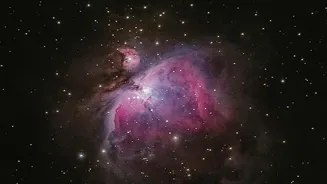
A single long exposure of a faint nebula is prone to noise and satellite trails. Modern astrophotography instead relies on 'stacking'—taking many shorter exposures and combining them with software. This process averages out random noise, enhancing the faint signal of the celestial object. Freeware like DeepSkyStacker and Siril, or more advanced programs like PixInsight, automate this entire workflow. These tools align each image, stack them, and allow for sophisticated post-processing. Amateurs can now digitally stretch the data, adjust colour, and reduce noise to reveal details that would have been impossible to capture on a single frame.
Smart Telescopes: The All-in-One Solution
The most recent development is the smart telescope, an instrument that combines a camera, a GoTo mount, and a processing computer into a single, user-friendly package. Controlled by a smartphone or tablet, these devices fully automate the entire process: they align themselves, find objects, and 'live stack' images in real-time, revealing a progressively more detailed image on your screen. While they typically have small apertures, they compensate by using sensitive sensors and sophisticated image processing to pull out amazing detail from even light-polluted skies. For many beginners, these devices represent the shortest path from curiosity to capturing their own photo of a galaxy.
A Community of Shared Knowledge
Technology isn't just about hardware and software; it's also about connection. The rise of modern astrophotography has been fueled by a vibrant global community. Online forums, YouTube tutorials, and social media groups allow newcomers to learn techniques and troubleshoot problems with help from experienced imagers. This free-flowing exchange of information has flattened the learning curve dramatically. An amateur in India can learn from a tutorial made by an expert in Europe, using software developed by a team across the world. This collaborative spirit ensures that as the tools become more accessible, so does the knowledge required to use them effectively, bringing more people than ever into the hobby.