






Redefining 'Infrastructure' for Modern India
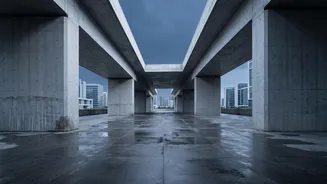
For decades, infrastructure in the Indian context has meant one thing: ‘grey’ infrastructure. This includes the concrete, steel, and asphalt that make up our roads, bridges, sewer pipes, and buildings. These are the engineered systems designed to move
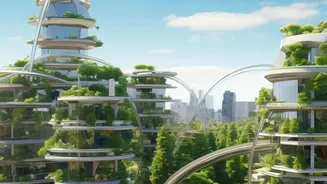
people, vehicles, and waste. While undeniably essential for a growing economy, this traditional view is dangerously incomplete. Green infrastructure, in contrast, is a strategically planned network of natural and semi-natural areas. Think of it as nature-based solutions to urban problems. This includes everything from urban forests and wetlands to green roofs, permeable pavements that absorb rainwater, and restored lakes. Its goal isn't just to be beautiful, but to provide critical services—managing stormwater, cleaning the air, and cooling our cities—often more effectively and cheaply than its grey counterparts.
A Smart Investment in Resilience
Our cities are increasingly facing the sharp end of climate change. We see it in the annual urban floods that paralyse Mumbai and Chennai, and in the blistering heatwaves that make life unbearable in Delhi. Grey infrastructure often makes these problems worse. Concrete surfaces prevent rainwater from soaking into the ground, overwhelming drainage systems and causing floods. They also absorb and radiate heat, creating 'urban heat islands' that make cities significantly hotter than surrounding rural areas. Green infrastructure directly counters this. Urban green spaces, wetlands, and permeable surfaces act like sponges, absorbing massive amounts of rainwater, reducing runoff, and recharging groundwater. A healthy tree canopy can lower surface temperatures by shading surfaces and releasing moisture—a process known as evapotranspiration. This isn't just about comfort; it's about public health, reducing heat-related illnesses and saving lives.
The Economic and Social Payoff
Viewing green infrastructure as an 'expense' is a fundamental miscalculation. It is, in fact, a high-return investment. The economic benefits are tangible and cross-sectorial. By mitigating floods, it prevents costly damage to property and existing grey infrastructure. Cleaner air from urban forests means lower healthcare costs related to respiratory illnesses. Buildings with green roofs have better insulation, reducing the immense energy costs associated with air conditioning. The social benefits are just as profound. Accessible green spaces are proven to improve mental and physical well-being, foster community connection, and increase biodiversity, making cities more liveable. In a country where urbanisation is happening at a breakneck pace, these quality-of-life factors are not luxuries; they are essential for creating stable, healthy societies.
From Niche Projects to National Priority
India has seen pockets of progress. Projects like the restoration of urban lakes in cities like Indore and Delhi, the development of biodiversity parks, and corporate campuses like Suzlon One Earth in Pune showcase what's possible. However, these often remain isolated examples rather than a systemic approach. Major national initiatives like the PM Gati Shakti Master Plan and the Bharatmala Pariyojana are still overwhelmingly focused on traditional grey infrastructure. The challenges are significant: a lack of funding, fragmented policies, and a need for greater public awareness and community involvement are common hurdles. For green infrastructure to be truly effective, it cannot be an afterthought. It must be woven into the very fabric of urban planning, given the same weight in master plans and budgets as a new metro line or highway. This requires a shift in mindset from the highest levels of policy-making down to municipal-level execution.