




The Problem with Being Rigid
For decades, safely returning a spacecraft to Earth or landing one on another planet like Mars involved a rigid, blunt-nosed heat shield. These work by creating a shockwave that pushes the hottest plasma away while absorbing and burning off extreme heat.
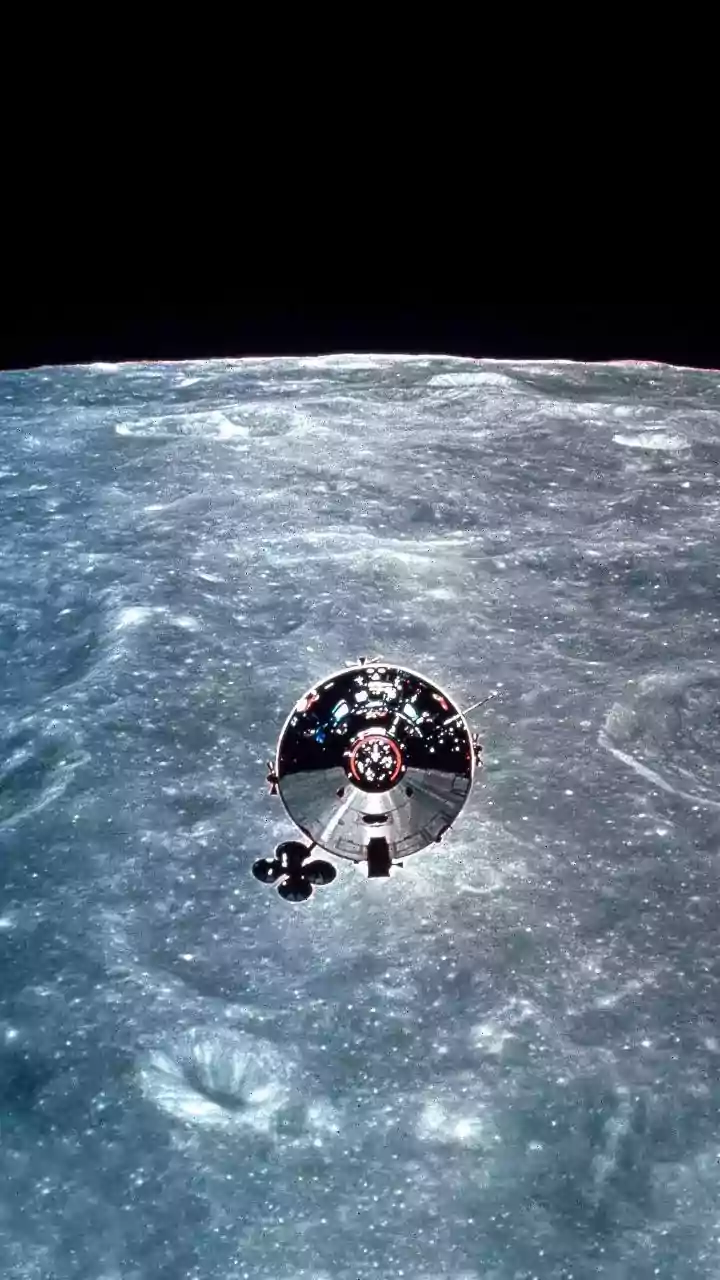
Think of the Apollo capsules returning from the Moon. But this proven method has a major limitation: size. A heat shield can only be as wide as the rocket fairing carrying it into space. This creates a bottleneck, limiting the size and weight of payloads we can land on other worlds. Landing heavier cargo, such as the habitats and supplies needed for a human mission to Mars, would require a heat shield far larger than any current rocket can carry. This is the engineering challenge that inflatable systems are designed to solve.
How an Inflatable Shield Works
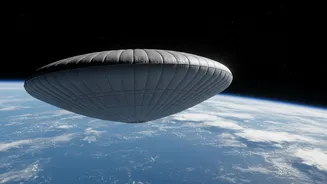
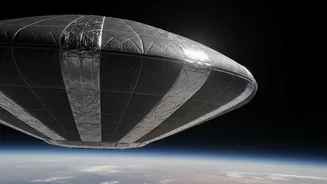
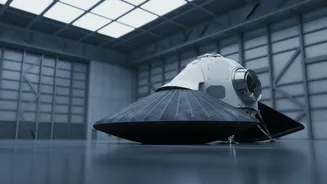
An inflatable heat shield, or Hypersonic Inflatable Aerodynamic Decelerator (HIAD), isn't a simple balloon. It’s a sophisticated, foldable structure that launches in a tightly packed state. Before entering the atmosphere, it deploys. The structure itself is made of stacked rings, or tori, woven from incredibly strong synthetic polymers that are, pound for pound, stronger than steel. These rings are inflated with nitrogen or another gas, creating a tough, rigid framework. This framework is covered by a flexible thermal protection system—a high-tech blanket made of multiple layers. The outer layer is a woven ceramic fabric that can withstand scorching temperatures, while inner layers of insulation prevent that heat from reaching the inflatable structure and the precious cargo inside. The entire system functions as a giant, lightweight atmospheric brake.
A Successful Test Paves the Way
This concept was put to the ultimate test with NASA's Low-Earth Orbit Flight Test of an Inflatable Decelerator (LOFTID) mission. In November 2022, a 6-meter (about 20-foot) diameter inflatable aeroshell was launched into space. After separating from its rocket, it inflated and re-entered Earth's atmosphere at speeds over 18,000 miles per hour. The demonstration was a resounding success. LOFTID survived the intense heat and pressure, slowing itself down before splashing safely into the Pacific Ocean, where it was recovered in excellent condition. The test proved that the technology could not only survive the harsh re-entry environment but also effectively protect the vehicle structure behind it, validating the concept for future missions.
The Game-Changing Advantages
The success of LOFTID opens up a new frontier for mission design. The most significant advantage is scale. Because they are not limited by the rocket fairing's diameter, inflatable heat shields will allow for the landing of much larger and heavier payloads. This is a critical enabling technology for sending the infrastructure needed for human missions to Mars, and could also facilitate ambitious robotic missions to worlds with atmospheres like Venus and Saturn's moon, Titan. The technology also offers cost savings. By being lighter and more compact, they can potentially reduce launch costs. Furthermore, the technology is versatile. It could be used to safely return reusable rocket stages, bring back manufactured goods from space, or deliver scientific samples from other planets.