






Why Make the Switch From White Rice?
For generations, polished white rice has been a staple on Indian plates. While comforting and familiar, the polishing process strips it of essential nutrients, leaving behind mostly simple carbohydrates. This can lead to rapid spikes in blood sugar. Millets
like foxtail millet (kangni) and sorghum (jowar), on the other hand, are nutritional powerhouses. They are packed with dietary fiber, which aids digestion and promotes a feeling of fullness. Millets generally have a lower glycemic index (GI) compared to white rice, meaning they release sugar into the bloodstream more slowly, providing sustained energy and making them an excellent choice for blood sugar management. Furthermore, they are richer in essential minerals like iron, magnesium, and calcium, which are vital for everything from energy production to bone health.
Meet Your Millets: Foxtail and Sorghum
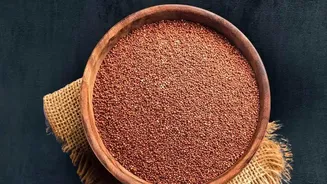
Foxtail millet, known as 'kangni' or 'thinai', is a small, light-yellow grain with a mild, slightly nutty taste. It is one of the oldest cultivated millets and is celebrated for being light on the stomach. Nutritionally, it offers nearly double the protein of white rice and significantly more fiber. Sorghum, or 'jowar', is another ancient grain that is a staple in many parts of India. It has a heartier texture and a mild, earthy flavor. Jowar is exceptionally high in fiber, containing over 30 times more than polished white rice, and is a great source of antioxidants. Both grains are naturally gluten-free, making them suitable for those with gluten sensitivities.
The Cooking Blueprint: Foxtail Millet
Cooking foxtail millet to replace rice is straightforward. The key to a fluffy texture is proper rinsing and soaking. Start by washing one cup of millet thoroughly under running water. Soak it for at least one hour; some sources even recommend soaking for up to six hours to improve digestion and nutrient absorption. After soaking, drain the water completely. For cooking on the stovetop, use a ratio of one cup of millet to two-and-a-half cups of water. Bring the water to a boil, add the drained millet and a pinch of salt, then reduce the heat to low. Cover the pot and let it simmer for about 15-20 minutes, or until all the water is absorbed. Once cooked, turn off the heat and let it rest, covered, for another 10 minutes. This step is crucial for allowing the grains to become tender and separate. Finally, fluff gently with a fork before serving.
The Cooking Blueprint: Sorghum
Sorghum has a chewier texture and requires a bit more preparation than foxtail millet. It's highly recommended to soak whole grain sorghum for at least 7-8 hours, or overnight. This softens the grain and significantly reduces cooking time. After soaking, drain the water. To cook on the stovetop, use a ratio of one cup of soaked sorghum to three cups of water. Bring the water to a boil in a saucepan, add the sorghum, reduce the heat, and let it simmer for about 50-60 minutes, or until tender. Alternatively, a pressure cooker makes the process much faster. Add one cup of soaked sorghum with two-and-a-half cups of water to the cooker and cook on medium flame for 4-5 whistles. Let the pressure release naturally before opening. Drain any excess water and fluff the grains.
Tips for a Seamless Transition
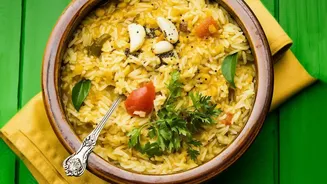
Making the switch doesn't have to be all or nothing. Start by replacing rice with millets just a few times a week. Another great strategy is to begin with a mix, combining half rice and half millet in a dish to get accustomed to the new taste and texture. Millets are incredibly versatile and absorb flavors well, so use them in familiar dishes. Prepare a millet pulao with your favorite vegetables and spices, or try making a millet-based khichdi or curd rice. Foxtail millet works wonderfully as a direct substitute in most rice recipes, while the chewier sorghum is excellent in salads, soups, and as a hearty side dish to curries and dals.