







The Specialty Coffee Revolution
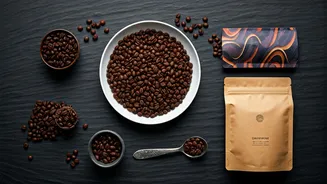
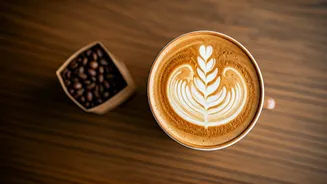
The single biggest shift in Indian cafés is the focus on the coffee itself. Gone are the days when a simple cappuccino was the main event. Today, a new wave of cafés and roasters is educating the Indian palate about the nuances of specialty coffee. This
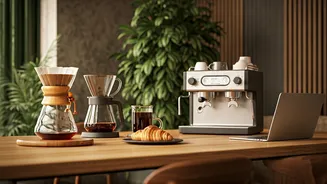
movement, often called the 'third wave' of coffee, prioritises quality, from bean to cup. Chains and independent cafés are highlighting single-origin beans from Indian estates in regions like Coorg, Chikmagalur, and even emerging belts in the North East. They are showcasing unique processing methods like anaerobic fermentation and offering a diverse menu of brewing techniques, from pour-overs to cold brews. This shift is driven by a younger, more discerning consumer base—primarily Millennials and Gen Z—who are curious, willing to spend on premium experiences, and value authenticity and transparency in where their coffee comes from.
More Than Just a Muffin: The Food-Forward Café
To survive and thrive, Indian café chains are realizing they can't just serve mediocre food anymore. The old 'coffee and muffin' model is being replaced by a full-stack culinary approach. Cafés are evolving into diner-style outlets with expanded menus featuring burgers and pastas, or launching dessert-focused sub-brands to capture the late-evening crowd. This pivot towards food is a strategic move to increase the average bill size and capture multiple dining occasions, from breakfast to dinner. Furthermore, there's a growing trend of new-age vegetarian and ingredient-led menus that celebrate local produce with global flair, moving beyond imitation meat and focusing on the creative possibilities of plants.
The Rise of the Café as a Workspace
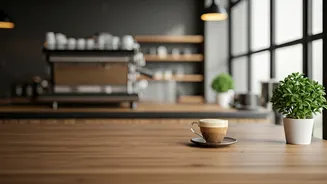
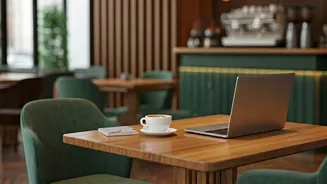
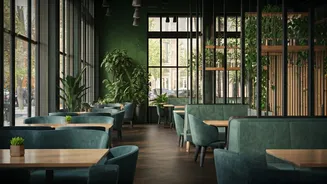
Step into any urban café on a weekday, and you'll see a sea of laptops. The rise of remote and hybrid work has solidified the café's role as an informal co-working space. For many, it offers the perfect 'third space'—a neutral zone that provides structure without the rigidity of an office and a social buzz without the distractions of home. Successful cafés are subtly adapting to this reality. Instead of discouraging long stays, they are designing layouts with multiple seating zones, ample power outlets, and reliable Wi-Fi to balance the needs of remote workers with the business's need for turnover. Some are even designed specifically for co-working, charging by the hour and providing a full suite of office amenities.
Experience-Driven and Community-Focused Hubs
In a competitive market, the experience is everything. Cafés are becoming lifestyle destinations that offer more than just food and drink. This includes immersive formats like Starbucks Reserve stores, which tell the story of coffee from origin to brew, and spaces that function as community and cultural hubs. Some cafés are run by and for specific communities, creating inclusive spaces for transgender individuals or acid attack survivors. Others tap into niche interests, theming their entire concept around cycling or books. The pet-friendly café trend is also booming, with establishments offering dedicated menus, play areas, and even swimming pools for furry companions, recognizing that for many, pets are family.
Blurring the Lines: Physical and Digital
The café experience is also extending beyond physical stores. Some brands are taking their offerings to events, fitness communities, and even weddings, creating 'funnel creators' that build brand awareness without massive marketing spends. Simultaneously, the rise of quick commerce platforms like Zepto Café is bringing the café experience home within minutes. While this adds a new layer of competition, most industry experts believe it serves a different need—convenience over community. This hybrid future means traditional cafés must double down on what delivery can't replicate: ambiance, human connection, and a unique, memorable in-person experience.