




From Childhood Joy to Commuter Anxiety
Remember when the first rains smelled of petrichor and freedom? When a downpour was a license to splash in puddles and plead for a surprise school holiday? For many who grew up in Mumbai, the monsoon was pure magic. But adulthood changes the narrative.
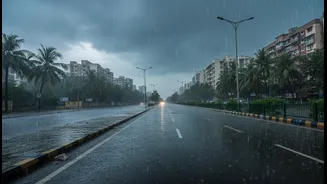
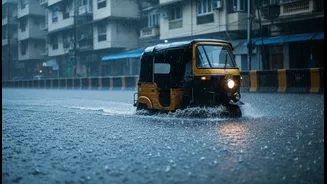
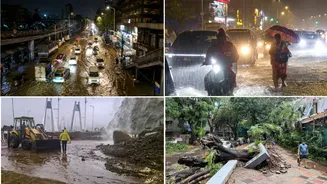
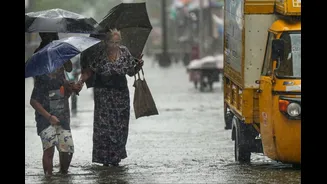
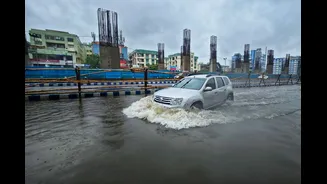
The romance of the rain quickly evaporates when you’re staring at a flooded street, calculating the odds of your local train making it past Sion or Kurla. The same dark clouds that once brought joy now bring a familiar dread. Suddenly, the monsoon isn't a season; it's a strategic challenge. Your focus shifts from enjoying the downpour to surviving it, and that’s where the civic alerts come in.
The Pavlovian Ping of a Weather Warning
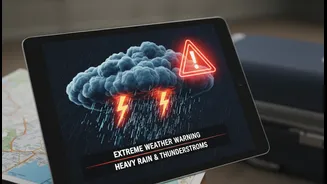
Nothing jolts a working Mumbaikar to attention quite like the specific notification ping from a weather app or a news alert mentioning an IMD warning. It’s a Pavlovian response. One minute you’re in a meeting, the next you’re mentally rerouting your journey home. Will the Western Express Highway be a parking lot? Is the Milan Subway already underwater? Should I just work from home tomorrow? These are the questions that spiral from a single, colour-coded warning. As of today, July 7, 2026, Mumbai is under an Orange alert for heavy rainfall, and as a precautionary measure, all schools and colleges have been declared closed. This is the reality of monsoon adulting: your day, your plans, and your safety are dictated by these official forecasts.
Decoding the Downpour: An Amateur Meteorologist's Guide
Every Mumbaikar becomes a part-time meteorologist between June and September. You learn the lexicon of the India Meteorological Department (IMD) by heart. A 'Green' alert means you can breathe easy. 'Yellow' means 'be updated' and keep an eye out. An 'Orange' alert, like the one active now, signals you to 'be prepared' for disruptions like transport delays and power outages. And then there's the 'Red' alert, a stark warning to 'take action' because extremely heavy rainfall (over 204.5mm) is expected, threatening significant disruption. This knowledge isn't trivial; it's a vital life skill used to decide whether to leave the office early, cancel plans, or stock up on essentials. The BMC also disseminates these warnings, urging citizens to avoid stepping out unless necessary and providing emergency helpline numbers like 1916.
A Community United by Water-Logging
These alerts are more than just data; they are social currency. They are immediately forwarded to family WhatsApp groups, sparking discussions about whether Dad should take the car or if your sibling working in another part of the city is safe. Office Slack channels light up with updates and shared anxieties. Strangers at a bus stop will bond over an Orange alert, sharing real-time flooding information from their respective neighbourhoods. The alerts transform a city of millions of individuals into a massive, crowdsourced information network. This collective vigilance, this shared burden of staying informed and keeping others informed, is the essence of the city's spirit during its most challenging season.
The Responsibility of Knowing
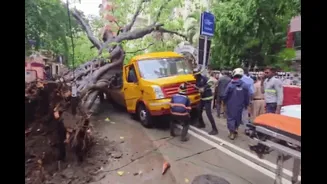
Ultimately, paying attention to civic rain alerts is peak adulting because it signifies a shift from personal convenience to broader responsibility. It’s about understanding that you are a small part of a massive, fragile ecosystem. Heavy rains combined with high tides can bring the city to its knees. Making an informed decision to stay home isn't just for your own comfort; it means one less person on the already strained public transport system, one less car on a water-logged road. It’s an act of civic consciousness. It’s the realisation that the carefree joy of getting drenched has been replaced by the very adult, very Mumbai responsibility of staying safe and dry.