

The Reality of Winter's Grip
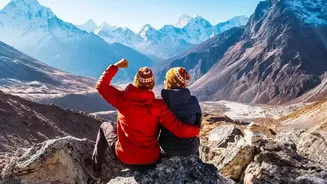
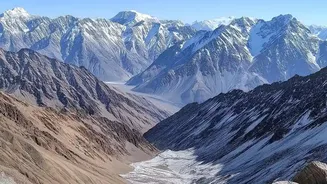
Winter transforms the Himalayas into a challenging environment. From December to February, temperatures in many popular tourist areas can plummet well below freezing, especially at night. While daytime might feel pleasant in the sun, the wind chill factor
can make it feel much colder. Snowfall is common, leading to stunning landscapes but also significant logistical hurdles. Days are shorter, meaning less time for travel and activities. This isn't just a colder version of a summer trip; it’s an entirely different experience that demands respect for the climate. Treks that are considered easy in other seasons become moderately difficult due to snow and cold. Expect a more solitary journey, as many trails and guest houses are less crowded.
Navigating a Frozen Landscape
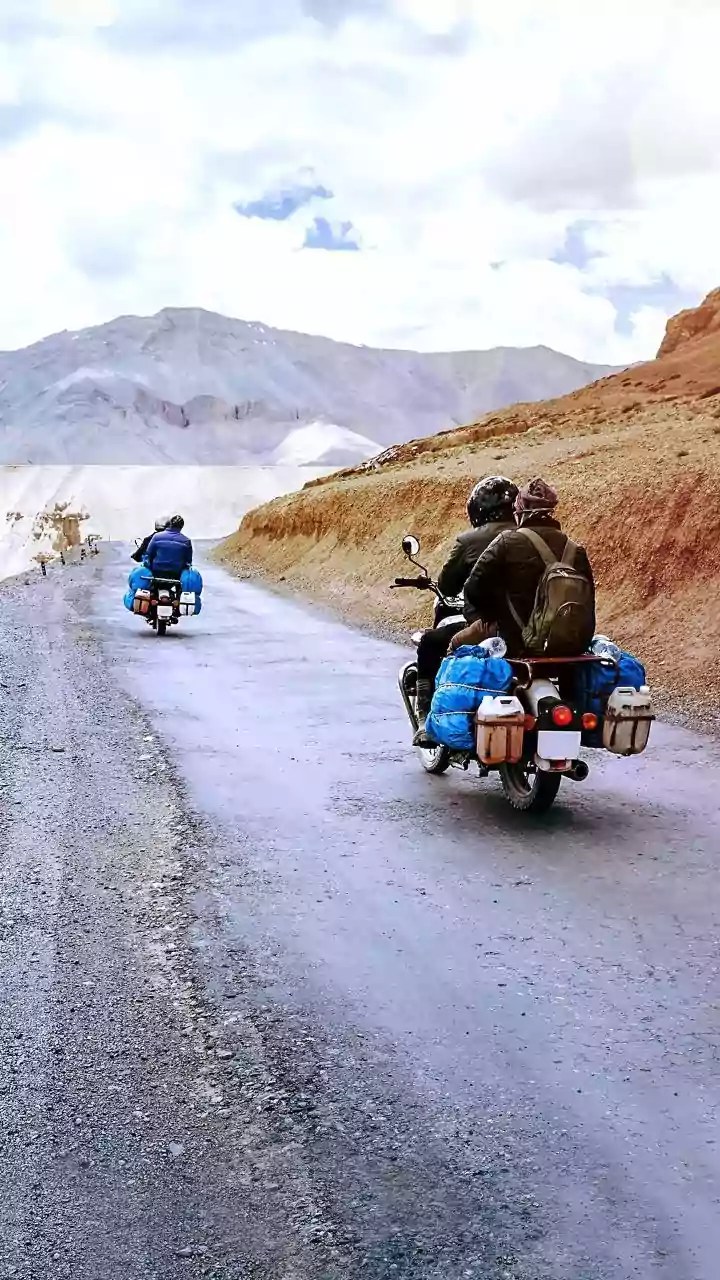
Your biggest obstacle during a Himalayan winter adventure will likely be transportation. Heavy snowfall frequently leads to the closure of high-altitude passes and roads for days or even weeks. Major routes like the Rohtang Pass near Manali and the Zoji La connecting Srinagar to Leh are officially shut down for the entire season. Even in more accessible areas, a sudden snowstorm can cause temporary blockades, landslides, or treacherous, icy conditions. Flights can also be delayed or cancelled due to poor visibility. It is essential to build buffer days into your itinerary. A trip that looks straightforward on a map can be severely disrupted, so flexibility isn't just a suggestion; it’s a necessity for safe and stress-free travel.
Health and Acclimatisation in the Cold
The cold doesn't just make you shiver; it impacts your health, especially at high altitudes. The risk of frostbite and hypothermia is very real for the ill-prepared. Furthermore, cold weather can affect your body's response to altitude. Issues like dehydration can increase the symptoms of Acute Mountain Sickness (AMS), which include headache, nausea, and fatigue. Proper acclimatisation is even more critical in winter. Your body is already working harder to stay warm, so ascending too quickly can put it under immense strain. It’s also common for appetite to decrease at high elevations, yet your body needs more calories to generate heat. Planning your diet and staying hydrated are crucial components of staying healthy.
Packing for Survival and Comfort
Your packing list for a winter Himalayan trip is your first line of defence against the elements. The key is layering. Instead of one bulky jacket, pack multiple layers: a moisture-wicking thermal base layer, an insulating fleece or down jacket as a middle layer, and a waterproof and windproof outer shell. Insulated, waterproof trekking boots with good grip are non-negotiable. Woollen socks, gloves or mittens, a warm hat, and a balaclava are essential to protect your extremities. Sunglasses are also a must, as the reflection of sun on snow can be intense. Other vital items include a thermos to keep water from freezing, a high-capacity power bank (batteries drain faster in the cold), a first-aid kit, and any personal medications.
Choose Your Destination Wisely
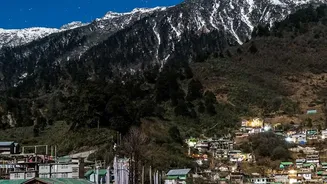
Not all Himalayan destinations are created equal in winter. While some places become inaccessible, others are prime winter spots. Popular hill stations like Shimla, Manali, and Gulmarg are generally accessible and equipped for winter tourism, offering activities like skiing. However, more remote regions like Spiti Valley or high-altitude trekking circuits like the Manaslu Circuit become extremely challenging and are suitable only for experienced and well-equipped adventurers. Treks like Kedarkantha and Brahmatal in Uttarakhand are renowned as classic winter treks suitable for beginners, but still require proper gear and guidance. Research your specific destination thoroughly. Check recent news and local advisories for road conditions and safety before you book.