




The Reality of Rainfall and Flooding
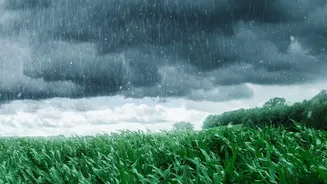
The primary feature of the monsoon is, of course, the rain, but its intensity can be deceptive. A pleasant shower can escalate into a torrential downpour, leading to flash floods, especially in urban areas and low-lying regions. Cities with older drainage
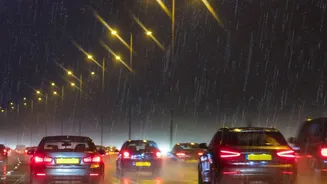
systems are particularly vulnerable to waterlogging, which can bring traffic to a standstill for hours. For travellers, this means a high risk of getting stranded. Flash floods are not just an urban problem; in hilly areas, they can wash away roads and bridges with little warning. It is crucial to avoid walking or driving through flooded streets. The water can conceal open manholes, deep potholes, or even carry dangerous debris. Furthermore, floodwater is often contaminated with sewage, increasing the risk of waterborne diseases like typhoid, leptospirosis, and gastroenteritis.
The Silent Threat of Landslides
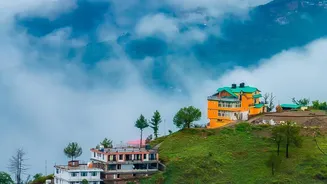
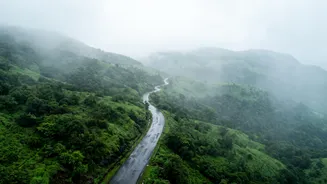
In mountainous and hilly regions, such as the Himalayas and the Western Ghats, persistent rain saturates the soil, creating a high risk of landslides. These events can happen suddenly, blocking major highways and remote roads alike, sometimes for days. This can leave travellers cut off from their destinations or a safe way back. Areas like Himachal Pradesh, Uttarakhand, and the ghats of Maharashtra are particularly prone to these events during peak monsoon months. Driving at night in these areas is strongly discouraged due to poor visibility and the increased danger of falling rocks or mud. Before embarking on any road trip through hilly terrain, it is essential to check local advisories and real-time road conditions. Authorities often issue warnings for high-risk corridors, and ignoring them can have severe consequences.
Navigating Inevitable Transport Delays
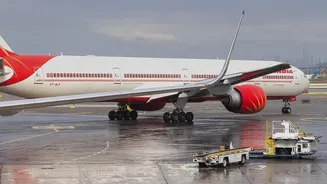
The monsoon's impact on transportation is widespread and affects flights, trains, and road travel. Heavy rain, storm clouds, and lightning can lead to significant flight delays or cancellations. Trains, often called India's lifeline, are also vulnerable. Waterlogged tracks force services to slow down or be diverted, while landslides in hilly sections can shut down entire routes. Road travel is perhaps the most unpredictable. Beyond the risk of landslides, urban waterlogging and poor highway visibility can increase travel time by as much as 40%. For travellers, this means building buffer days into your itinerary is not just a suggestion, but a necessity. Booking accommodations with flexible cancellation policies is also a wise precaution.
Health Risks Beyond the Obvious
The monsoon is a breeding season for mosquitoes, leading to a spike in diseases like dengue and malaria. Dengue-spreading mosquitoes can breed in small collections of clean stagnant water, such as in flowerpots or buckets, and are active during the day. Beyond mosquito-borne illnesses, contaminated water and food pose a significant threat. It's best to avoid street food during heavy rains and drink only boiled, filtered, or bottled water. The high humidity can also lead to fungal skin infections, so keeping your skin dry and wearing breathable, quick-dry clothing is important. Pack a first-aid kit with essentials for common ailments like colds, stomach upsets, and any personal medications.
Your Monsoon Travel Checklist
Preparation is the key to a successful monsoon trip. Your packing list should prioritize function over fashion. Essential items include a reliable waterproof jacket or poncho, and a sturdy umbrella. Opt for quick-dry synthetic clothing instead of cotton, which stays damp for a long time. Footwear is critical; choose waterproof sandals or shoes with excellent grip to avoid slipping on wet surfaces. Protect your electronics, passport, and cash using waterproof bags or zip-lock pouches. A power bank is crucial, as power cuts can be common. Finally, always monitor weather forecasts and stay updated with local news and advisories before and during your trip.