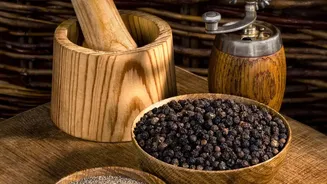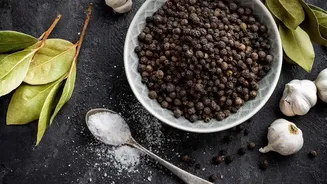




Black pepper, the 'king of spices', is a staple in every Indian kitchen. But its high value makes it a target for adulteration, meaning you might not be getting the quality you pay for. Here are simple ways to check what’s in your pepper shaker.
Why Your Pepper Might Not Be Pure
The primary
reason for black pepper adulteration is simple economics. By adding cheaper substances that look similar, sellers can increase the weight and volume of their product, boosting profits. The most common adulterant found in whole black pepper is dried papaya seeds. These seeds, once dried, bear a striking resemblance to peppercorns in size, shape, and colour, making them an easy and deceptive filler. Another common issue is the addition of an oily coating, often mineral oil, to make poor-quality peppercorns look shiny and premium. While some adulterants like papaya seeds mainly cheat you on flavour and value, others can pose potential health risks over time. For ground pepper, the risks are even higher, as fillers like sawdust, bran, or husk are much harder to detect visually once everything is powdered.
The Water Float Test
This is one of the simplest and most effective tests, recommended by the Food Safety and Standards Authority of India (FSSAI). Fill a clear glass with plain water at room temperature. Drop a spoonful of your whole black peppercorns into the glass and stir gently. Now, wait and observe. Pure, mature black peppercorns are dense and will sink to the bottom of the glass. Papaya seeds, being lighter, will float on the surface. It's important to note that some immature or hollow peppercorns, known as light berries, might also float. So, while a few floating specks may not be a major concern, a significant amount floating on top is a strong indicator of adulteration and warrants a closer look at what has surfaced.
A Simple Visual Inspection
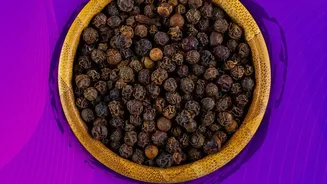
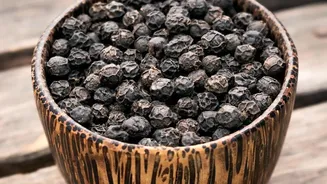
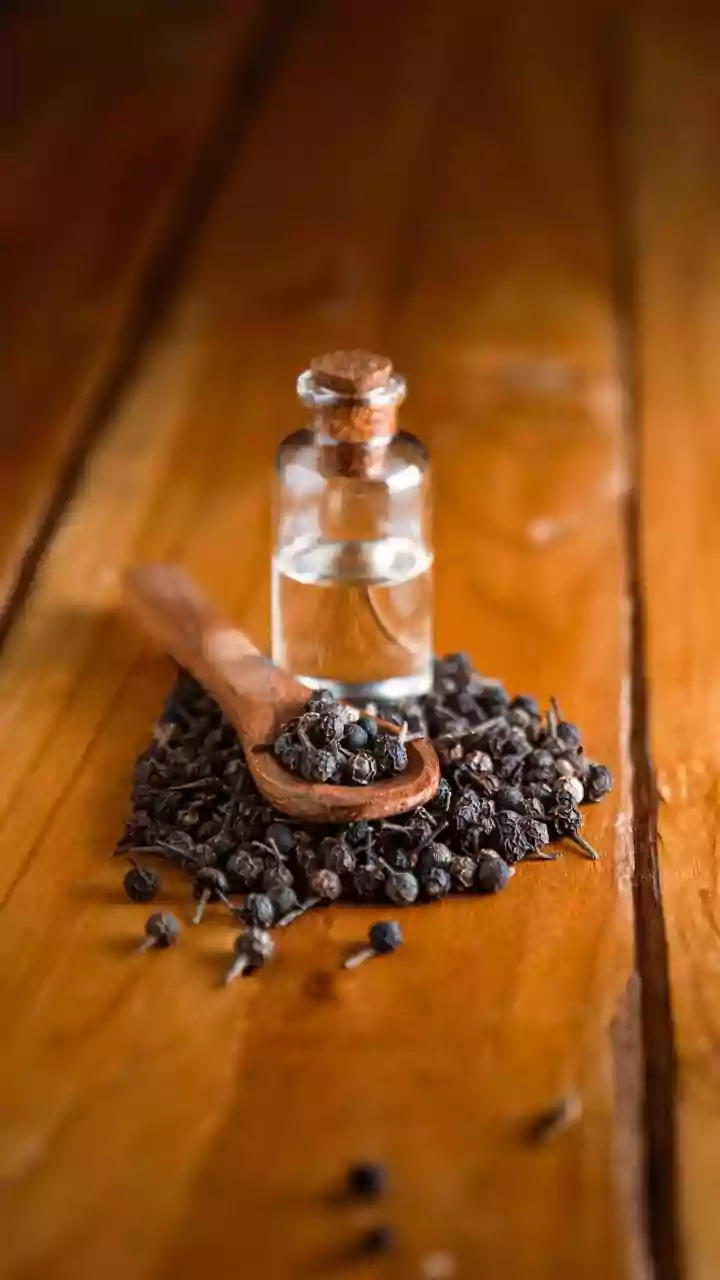
Your eyes are your first line of defence. Spread a small sample of peppercorns on a white plate to examine them under good light. Genuine black pepper is typically dark brown to black, with a distinctly rough and wrinkled surface. Papaya seeds, in contrast, are often more oval-shaped and have a shrunken but smoother surface. You might notice they appear greenish-brown or blackish-brown. If you see a mix of textures—some peppercorns perfectly wrinkled and others suspiciously smooth—it’s a red flag. While this method isn't foolproof on its own, it’s an excellent initial screening before moving on to other tests.
The Crush and Smell Test
This test engages your sense of touch and smell. Take a few peppercorns and press them hard between your fingers or with your thumb on a hard surface. A good-quality, authentic peppercorn is tough and will resist breaking easily. Adulterants like papaya seeds or low-quality light berries are often softer and will crush or crumble with less effort. Once crushed, give it a sniff. Pure black pepper releases a sharp, pungent, and instantly recognisable aromatic scent. Papaya seeds, however, lack this pungency and may have a faint, unpleasant, or even repulsive odour.
Checking for Oily Coatings
A suspiciously shiny appearance on black pepper can be a warning sign of an artificial coating, like mineral oil, used to enhance its look. There are two ways to check for this. First, simply take a handful of peppercorns and smell them. If they have been coated with mineral oil, you might detect a faint kerosene-like smell. A second method is the rub test. Take a few peppercorns and rub them vigorously on a clean piece of white paper. If the pepper is coated, it may leave behind a greasy or oily stain on the paper that does not evaporate, confirming the presence of an unwanted oily substance.