
More Than Just A Garnish
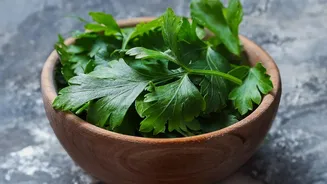
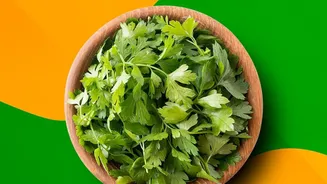
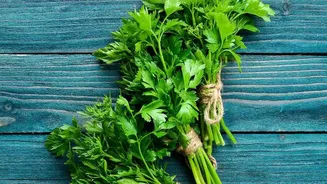
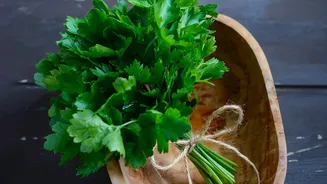
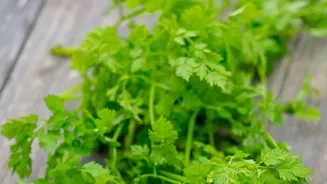
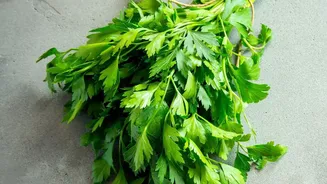
Before diving into recipes, it’s worth knowing your parsley. There are two common types: flat-leaf (or Italian) and curly. Flat-leaf parsley generally has a more robust and peppery flavour, making it a preferred choice for cooking and sauces where you want
the taste to stand out. Curly parsley is milder and has a pleasant, crunchy texture, which works wonderfully in fresh salads or as a finishing touch. While flat-leaf is often recommended for its stronger taste, both types can be used in these ideas depending on what you have and the texture you prefer. Don't forget the stems, either—they are packed with flavour and can be finely chopped and used along with the leaves, or saved for making stocks and broths.
1. The Vibrant Parsley Pesto
A fresh pesto is one of the fastest ways to pack flavour into a grain bowl, and you don’t need basil to make it happen. Parsley pesto is bright, earthy, and incredibly versatile. To make it, you simply need a food processor. Combine two packed cups of fresh flat-leaf parsley, a handful of nuts like walnuts or pine nuts, a couple of garlic cloves, the juice of half a lemon, and some grated Parmesan cheese. Pulse these ingredients until they are well combined but still have some texture. Then, with the processor running, slowly drizzle in about half a cup of good quality olive oil until the sauce comes together. A scoop of this vibrant green pesto can be stirred through warm quinoa, farro, or barley, instantly creating a flavourful base for roasted vegetables, grilled chicken, or chickpeas.
2. The Quick Tabbouleh-Style Mix
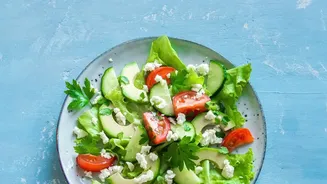
Tabbouleh is a classic Middle Eastern salad where parsley is the star, not a background player. You can apply the same principle to any grain bowl for a refreshing and zesty meal. Start with a base of cooked bulgur wheat, quinoa, or barley. To this, add a very generous amount of finely chopped parsley—at least one cup for every two cups of grains. Mix in some chopped fresh mint, diced tomatoes, cucumbers, and finely sliced spring onions. The dressing is a simple and clean combination of fresh lemon juice, olive oil, and a pinch of salt and pepper. Whisk these together, pour over the salad, and toss everything to combine. Let it sit for at least 30 minutes for the flavours to meld together before serving.
3. The Simple Lemon-Herb Toss
Sometimes the simplest approach is the most effective. For a quick flavour boost, a basic lemon and herb dressing featuring parsley can liven up any grain bowl. This method is less about a specific recipe and more about a technique. Once your grain of choice is cooked and slightly cooled, toss it with a large handful of coarsely chopped fresh parsley. The key is to use a lot of it, so it acts like a leafy green rather than a sprinkle of seasoning. In a small jar, shake together the juice of one lemon, three to four tablespoons of olive oil, one minced garlic clove, and a teaspoon of Dijon mustard. Pour this zesty vinaigrette over the grains and parsley, season with salt and pepper, and toss well. This creates a bright, fresh base that pairs perfectly with almost any protein or vegetable you have on hand, from roasted sweet potatoes to flakey salmon.
4. The Hearty Chimichurri Drizzle
Borrowed from Argentinian cuisine, chimichurri is a flavour-packed, uncooked sauce that is traditionally served with grilled meat but works wonders on grain bowls. It is typically made with finely chopped parsley, minced garlic, olive oil, and red wine vinegar. To make a quick version, finely chop about a cup of parsley and several cloves of garlic. Place them in a bowl and stir in about a quarter cup of red wine vinegar and half a cup of olive oil. Add a pinch of red pepper flakes for a little heat, along with salt and pepper to taste. Let the mixture sit for a few minutes to allow the flavours to combine. This tangy, garlicky sauce can be drizzled over a bowl of brown rice, black beans, and roasted corn for a Latin-inspired meal that is anything but bland.