
The Lithium-Ion Standard
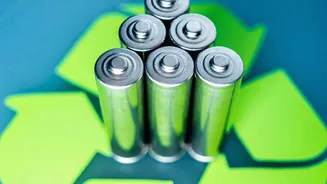
For the past decade, lithium-ion (Li-ion) batteries have been the undisputed king. From smartphones to high-end electric cars, their ability to pack a lot of power into a small, lightweight package—known as high energy density—made them the default choice.
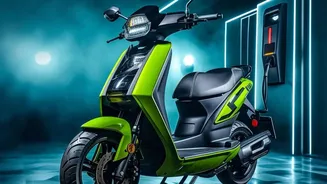
For an electric scooter, this means a longer range on a single charge. However, this performance comes at a price. The key ingredients, lithium and cobalt, are rare, geographically concentrated, and expensive to mine. For India, this creates a heavy reliance on imports, primarily from China, making the nation vulnerable to supply chain disruptions and price volatility. This dependency is a major hurdle in the path towards a truly self-reliant EV ecosystem.
Enter the Sodium-Ion Challenger
Enter sodium-ion (Na-ion) technology. The fundamental science is similar to its lithium-based cousin, but it swaps lithium for sodium—an element that is thousands of times more abundant and can be sourced from common salt. This simple switch has profound implications. The raw materials for sodium-ion batteries are not only dramatically cheaper but also available almost everywhere, including India. This opens up the possibility of a domestic supply chain, aligning perfectly with the 'Make in India' mission and promising a future of energy independence. What was once a laboratory curiosity is now entering commercial production, poised to challenge lithium's dominance, especially in price-sensitive markets.
Head-to-Head: Price vs. Performance
When comparing the two, the trade-offs become clear. On cost, sodium-ion is the decisive winner, with estimates suggesting it can be 20-30% cheaper than a comparable Li-ion pack. It also boasts a superior safety profile, with better thermal stability and the ability to be fully discharged to zero volts without damage, reducing fire risk during transport and storage. Furthermore, Na-ion batteries perform significantly better in extreme temperatures, both hot and cold. The primary drawback has historically been lower energy density. A Na-ion battery of the same size and weight will typically offer 20-30% less range than a Li-ion version. However, recent breakthroughs have pushed energy density to levels comparable with mass-market lithium iron phosphate (LFP) batteries, making them perfectly viable for city-centric electric scooters where daily travel is predictable.
A Breakthrough for 'Make in India'
The year 2026 marks a turning point as sodium-ion technology moves from pilot programs to mass production. This isn't just a global trend; it's a massive opportunity for India. Several Indian companies and research institutions are making significant strides. The Jawaharlal Nehru Centre for Advanced Scientific Research (JNCASR) has developed a fast-charging Na-ion battery, while companies like Indi Energy are pioneering the use of agricultural waste to create key battery components. Nashik-based Jitendra New EV Tech has also announced plans to launch scooters with sodium-ion batteries. These homegrown efforts could insulate India from geopolitical supply issues tied to lithium and establish the country as a leader in manufacturing this next-generation technology.
What This Means for Your Next Scooter
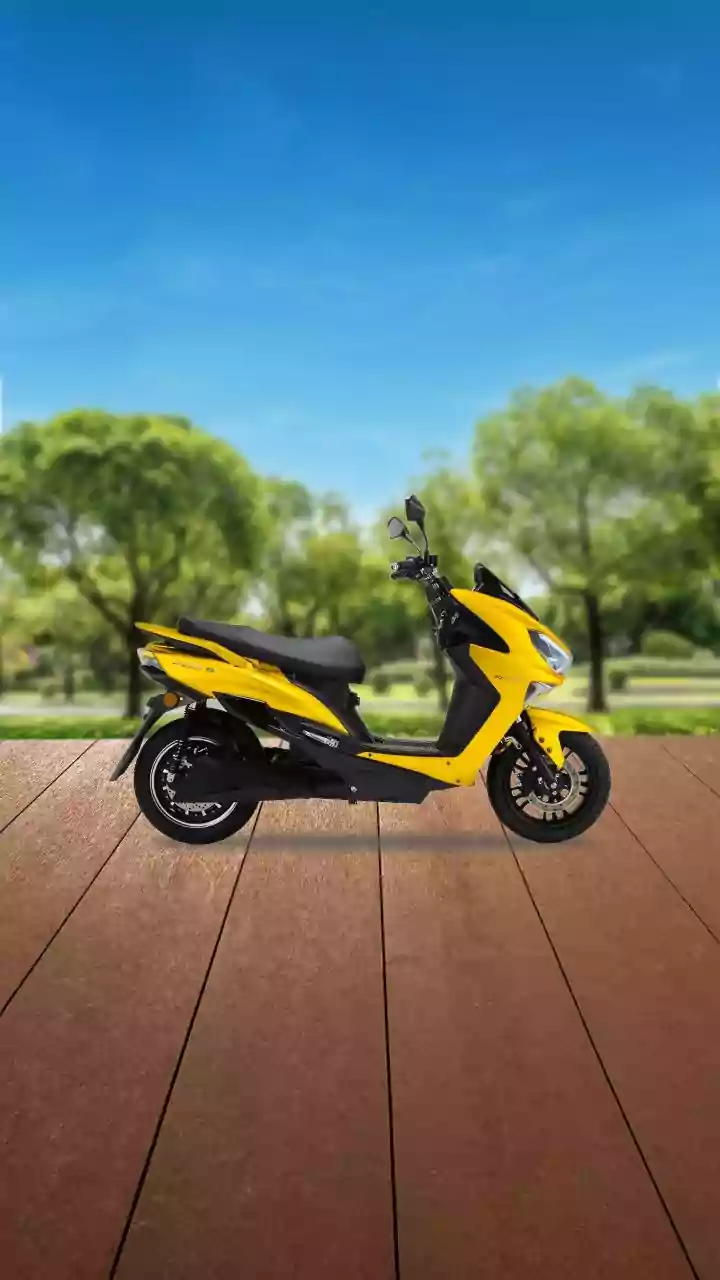
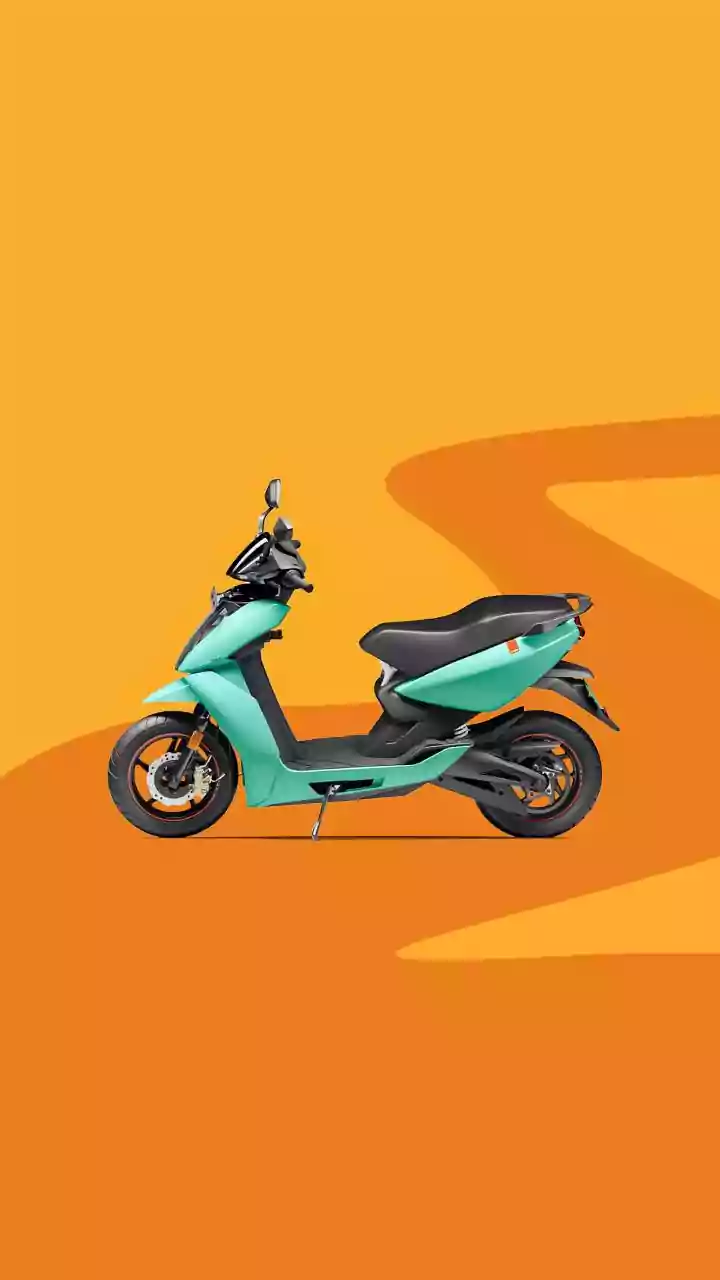
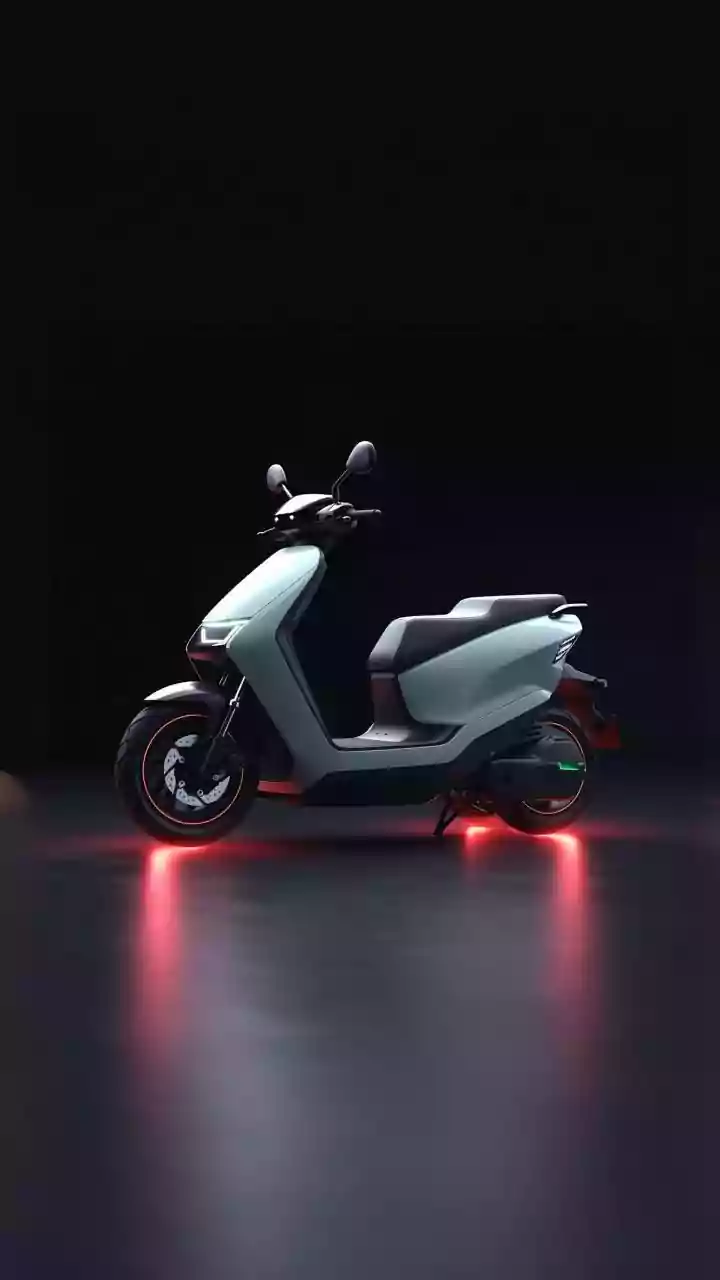
So, when can you buy a scooter with a sodium-ion battery? The transition is already beginning. While you may not find them in every showroom today, the first models are starting to appear globally, primarily in electric scooters and other light vehicles where cost and durability are more critical than maximum range. For the average Indian buyer, this means the dream of an affordable electric two-wheeler is closer than ever. As production scales up over the next few years, experts predict the cost will continue to fall. This technology could finally unlock the mass-market adoption of EVs in India, making clean, efficient transport accessible to millions more people. The choice will no longer be just about going electric, but about which electric technology best fits your budget and your needs.