

The Slow Fade of Starlight
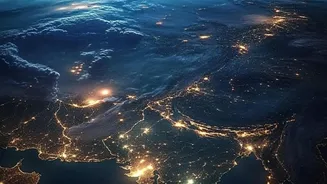
The culprit is light pollution, the excessive and misdirected artificial light that floods our cities. Across India, from Mumbai to Delhi, the night sky has become a casualty of progress. This constant illumination does more than just obscure the stars;
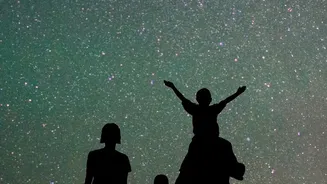
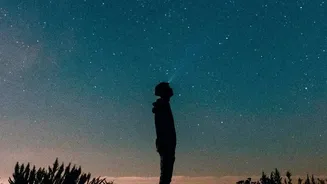
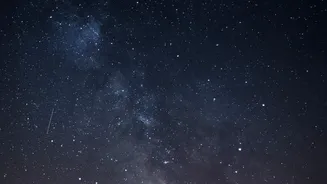
it severs a connection that humanity has cherished for millennia. The issue is so widespread that an estimated 80 percent of the world's population lives under light-polluted skies, unable to see the Milky Way. This loss is not merely aesthetic. Scientific evidence shows that the disappearance of true darkness disrupts our circadian rhythms, affecting sleep, mood, and overall well-being. It creates a subtle but persistent disconnect from the natural world, leaving us enclosed in a bubble of artificial light, unaware of the vast universe that lies just beyond.
The Rise of the Dark-Sky Escape
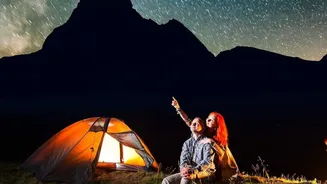
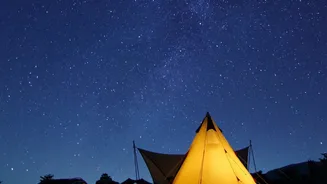
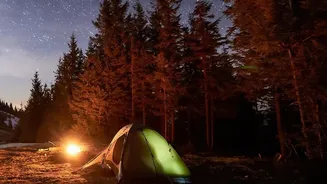
As a response to this growing urban reality, a new travel trend known as 'astrotourism' or 'dark-sky tourism' is gaining momentum. It involves intentionally travelling to remote locations with minimal light pollution to experience the night sky in its full, unobscured glory. These are not just any rural spots; many are officially certified 'Dark Sky Places' by organisations like DarkSky International. These parks, reserves, and sanctuaries are specifically protected for their exceptional starry nights. A trip to one of these locations is a conscious decision to trade the city's perpetual twilight for the profound darkness of nature, where the only lights are the ones that have travelled millions of years to reach you.
More Than Just a Pretty View
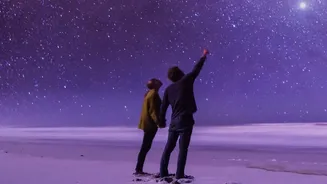
The appeal of a dark-sky escape goes far beyond getting a good photograph. It is a deeply restorative experience. Studies and anecdotal evidence show that stargazing can reduce stress, foster mindfulness, and inspire a profound sense of awe. This feeling, of being a small part of an immense and beautiful cosmos, helps to put everyday worries into perspective. It’s a digital detox in the truest sense, where the only notifications come from the occasional shooting star. This opportunity to disconnect from daily anxieties and reconnect with something vast and timeless is precisely what many urban travellers are seeking. It is a form of wellness travel that nurtures the mind and soul, reminding us of a world beyond our screens and schedules.
Finding Your Starry Sanctuary in India
India, with its diverse geography, offers some of the most spectacular dark-sky destinations in Asia. The crown jewel is Hanle in Ladakh, home to India’s first official Dark Sky Reserve. Situated at a breathtaking altitude of 4,500 metres, the thin, dry air and near-zero light pollution provide unparalleled clarity. Another high-altitude haven is Spiti Valley in Himachal Pradesh, where villages like Kaza and Langza become natural observatories after sunset. For those seeking less extreme altitudes, the vast, flat expanse of the Rann of Kutch in Gujarat offers an unobstructed 360-degree view of the heavens, especially during the dry winter months. Down south, the coffee plantations of Coorg in Karnataka provide serene spots away from city lights, making it one of the most accessible dark-sky destinations for travellers.
How to Plan Your First Trip
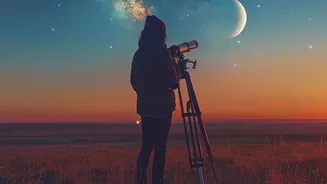
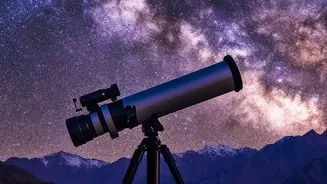
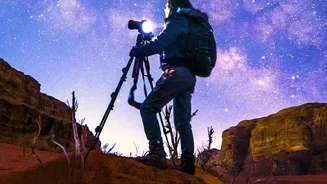
Embarking on a dark-sky escape requires a little planning. First, check the lunar calendar and schedule your trip around the new moon, when the sky is at its darkest. The winter and post-monsoon months, from October to March, generally offer the clearest skies in many parts of India. Pack warm clothing, as even cold locations can get cold at night. A red-light torch is essential, as it preserves your night vision, unlike the harsh glare of a standard white flashlight. Binoculars are a great starting point for exploring lunar craters and star clusters, though many astrotourism operators and homestays now offer telescope access. Most importantly, be patient. It takes about 20 to 30 minutes for your eyes to fully adapt to the darkness. Once they do, a universe of stars will slowly reveal itself.