







The Rise of the 'Skintellectual'
There’s a new archetype in Indian retail: the ‘skintellectual’. Armed with smartphones and an insatiable curiosity, these consumers are transforming the beauty industry from the shelf up. This shift is driven by a desire for transparency, efficacy, and safety.
According to a Mintel study, over 47% of Indian consumers prioritise natural ingredients in skincare, and 30% report reading ingredient lists more carefully now than they did just six months ago. This isn't just a metro phenomenon; two in three beauty-related searches on a major e-commerce platform like Flipkart now originate from non-metro cities, indicating a nationwide awakening. The modern shopper is no longer swayed solely by celebrity endorsements; they are influenced by product efficacy, peer reviews, and clear, transparent information.
Decoding the Label: From 'Free-From' to 'Full-Of'
For years, the focus was on what *wasn't* in a product. Claims like 'paraben-free,' 'sulfate-free,' and 'cruelty-free' became industry standards as consumers grew wary of potentially harmful chemicals. While these 'free-from' claims are still important, the conversation has evolved. Today's savvy consumer is equally interested in what a product is 'full-of'. There's a growing demand for science-backed, high-performance actives like hyaluronic acid, niacinamide, and vitamin C, alongside a renewed appreciation for traditional, botanical ingredients like turmeric, neem, and sandalwood. This has led to a boom in 'clean beauty', a segment in India valued at nearly ₹7,786 crore in 2025 and projected to grow significantly. However, with no regulated definition of 'clean', the onus is on brands to build trust through genuine transparency.
The Digital-First Disruption
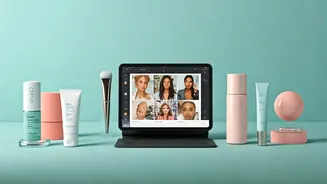
Technology is the great enabler of this consumer revolution. Digital-first, direct-to-consumer (D2C) brands have been instrumental in leading the charge for transparency and education. By bypassing traditional retail, these brands control their narrative, fostering a direct relationship with customers through social media and content. They use these platforms to explain their formulations, share user-generated reviews, and build communities. The influence is undeniable: one study found that Instagram Reels is a major factor in product discovery for 47% of consumers, with one in three beauty products being purchased through the feature. Furthermore, technology like AI-powered skin analysis and virtual try-ons are making beauty more personalised and accessible than ever before.
Beyond the Bottle: A Holistic Approach
The demand for 'smarter, safer' choices extends beyond the ingredient list. Indian consumers are increasingly connecting beauty with overall wellness. This holistic perspective means they are looking for products that are not only good for their skin but also ethically produced and environmentally sustainable. 'Conscious consumerism' is driving a preference for brands that are transparent about their sourcing, packaging, and labour practices. This shift is also about inclusivity. A 'smarter' choice is a brand that offers a diverse shade range suitable for Indian skin tones and formulates products that address concerns specific to the Indian climate and environment, such as pollution and hard water.