






Embarking on your first solo travel adventure is a thrilling rite of passage. While you're busy planning itineraries and packing bags, it's crucial to also prepare for staying healthy on the road, ensuring your journey is memorable for all the right reasons.
Mastering the Art of Street Food
Street food offers an authentic and delicious window into local culture, but it also requires a smart approach. The golden rule is to eat where the locals eat. A long queue of local patrons is one of the best indicators of quality, freshness, and safety. Watch how the food is prepared; stalls where you can see the meal being cooked fresh and served piping hot are generally safer bets. Be wary of food that has been sitting out, even if it's on a buffet. High turnover means ingredients aren’t lingering and are constantly being replenished. Also, observe the vendor's hygiene. Clean hands, separate handling of money and food, and a tidy stall are all positive signs. While it’s tempting to try everything, be cautious with raw or undercooked meats and seafood.
The Mantra: Cook It, Boil It, Peel It
A time-tested rule for travelers is 'boil it, cook it, peel it, or forget it'. This simple phrase is your best defence against many common foodborne illnesses. Fully cooked food that is served hot is the safest option, as high temperatures kill most harmful germs. This is why steaming bowls of noodles or freshly grilled items are often a good choice. For fruits and vegetables, stick to those you can peel yourself, like bananas and oranges, after washing your hands. This removes any contaminants on the surface. Be cautious with pre-cut fruit salads or raw vegetables, as you don't know if they were washed in safe water or how long they've been exposed to the air.
Hydration without the Contamination
Staying hydrated is crucial, but water safety is a major concern in many destinations. The most reliable choice is always commercially bottled and sealed water. Before you drink, always check that the seal on the cap is intact. Avoid drinking tap water unless you have reliable information that it's safe. This rule extends to ice cubes in your drinks, which are often made from local tap water. Opt for canned or bottled carbonated drinks, or beverages made with boiled water like hot tea and coffee. Carrying your own reusable water bottle and purifying water with tablets or a portable filter is also an excellent, environmentally friendly alternative.
Assemble Your Personal First-Aid Kit
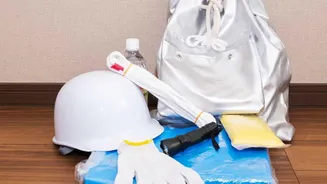
When you're traveling solo, you are your own first responder for minor ailments. Packing a compact, well-stocked first_aid kit is non_negotiable. Include basics like assorted bandages, antiseptic wipes, and pain relievers like paracetamol or ibuprofen. Also pack medications for common travel_related issues, such as antihistamines for allergies, anti_diarrhoea medication, and oral rehydration salts (ORS) to combat dehydration. If you take any prescription medications, bring enough for your entire trip, along with a copy of your prescription. Hand sanitiser with at least 60% alcohol content is essential for times when you can't wash your hands with soap and water before a meal.
What to Do If You Get Sick
Despite all precautions, getting sick can still happen. If you feel unwell, don't panic. For minor issues like a mild upset stomach, rest, stay hydrated with safe fluids, and eat bland foods. If you're experiencing more severe symptoms like a high fever, persistent vomiting or diarrhoea, or if you feel progressively worse, it's important to seek medical attention. Before your trip, ensure you have travel insurance and know the emergency contact number. Your insurance provider can often direct you to reputable local clinics or hospitals. If you need assistance, the local embassy or consulate can also provide a list of healthcare providers. Being prepared for this possibility will make a stressful situation much more manageable.