


The Allure of the Green and Grey
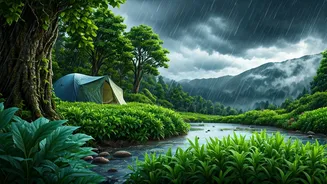
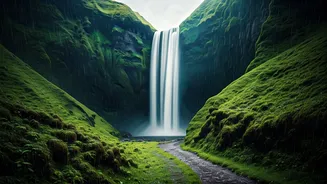
First, why trade a dry, stable rock face for a slippery, rain-soaked one? The answer lies in the sensory overload. The monsoon strips away the summer dust, revealing a world of impossible greens. The air is thick with the smell of wet earth (petrichor),
the roar of waterfalls replaces silence, and mist clings to the valleys, creating an ethereal, almost mystical atmosphere. Climbing or trekking in this environment isn't just a physical act; it's a full-body immersion in nature at its most raw and powerful. The challenge is not just against the rock, but with the elements themselves, making every successful ascent feel like a true accomplishment.
Challenge 1: The Slippery Slope
The primary challenge of monsoon climbing and scrambling is the lack of friction. Rocks that offer dependable grips in dry weather become treacherous and slick. This demands a complete shift in technique. Climbers must rely more on balance, body positioning, and finding solid holds in cracks and crevices rather than depending on the friction of their shoe soles. It becomes a mental game of extreme focus, where every footstep and handhold must be tested and trusted. This heightened need for concentration is precisely what many thrill-seekers crave—a state of 'flow' where the outside world and its distractions completely disappear.
Challenge 2: Waterfall Rappelling
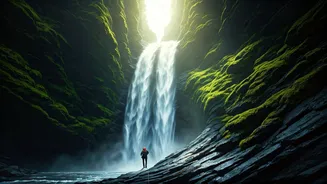
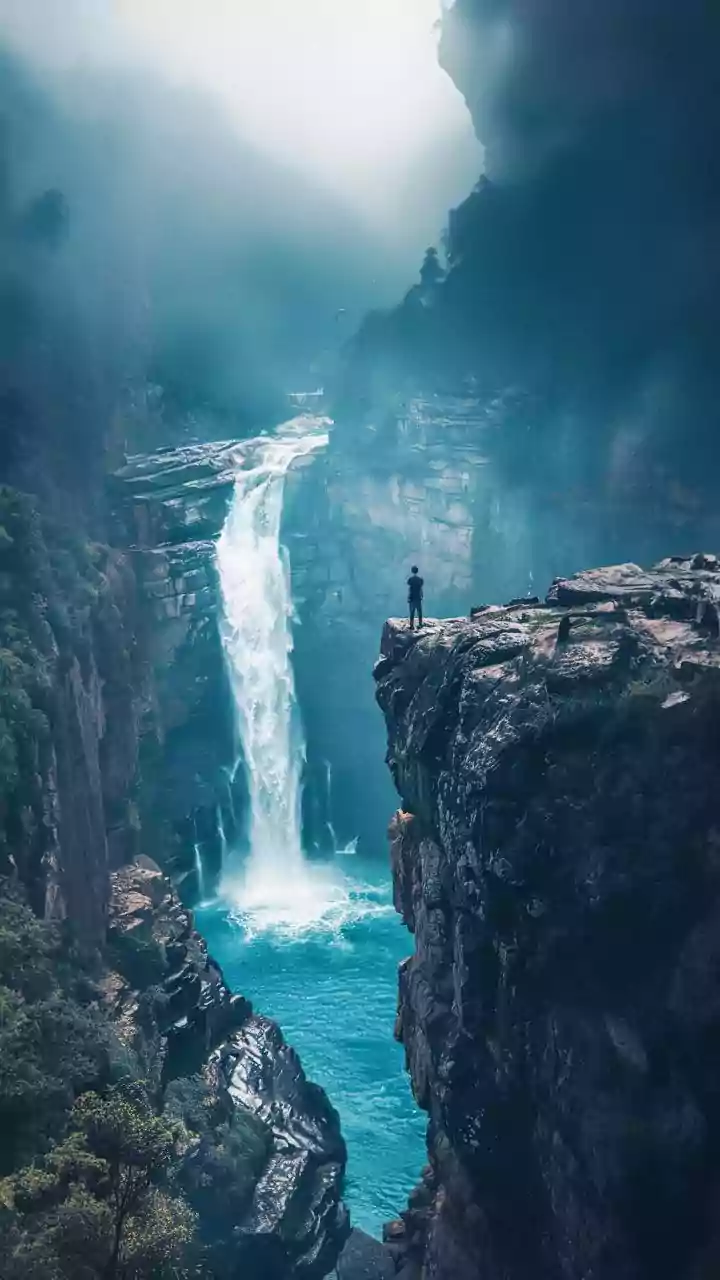
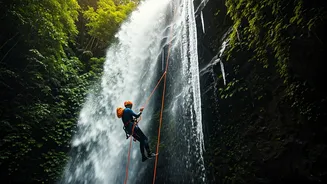
One of the most popular monsoon adventures in India is not climbing up, but rappelling down—right through a waterfall. Known as canyoning or waterfall rappelling, this activity involves descending a rock face while a powerful cascade of water thunders down on you. It's an intense, adrenaline-pumping experience that combines the technical skill of rappelling with the sheer force of nature. The water can be disorienting, and the rock behind it is slick with moss. It requires immense trust in your gear and your guide. For those who brave it, the feeling of conquering a roaring waterfall is an unmatched thrill.
India’s Monsoon Playgrounds
India offers spectacular locations for these wet and wild adventures. The Sahyadri mountain range in Maharashtra is the undisputed capital of monsoon trekking and climbing. Forts like Lohagad, Visapur, and Harishchandragad become challenging but stunningly beautiful destinations, often involving rock-cut steps that turn into mini-waterfalls. Further south, the Western Ghats in Karnataka and Kerala offer dense jungles, misty peaks, and countless waterfalls perfect for rappelling. Places like Coorg and the areas around Chikmagalur come alive with adventure groups every weekend during the rains, offering guided experiences for various skill levels.
Gear Up for the Drenching
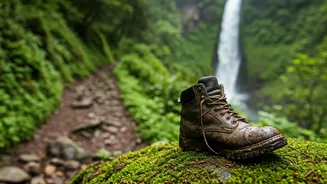
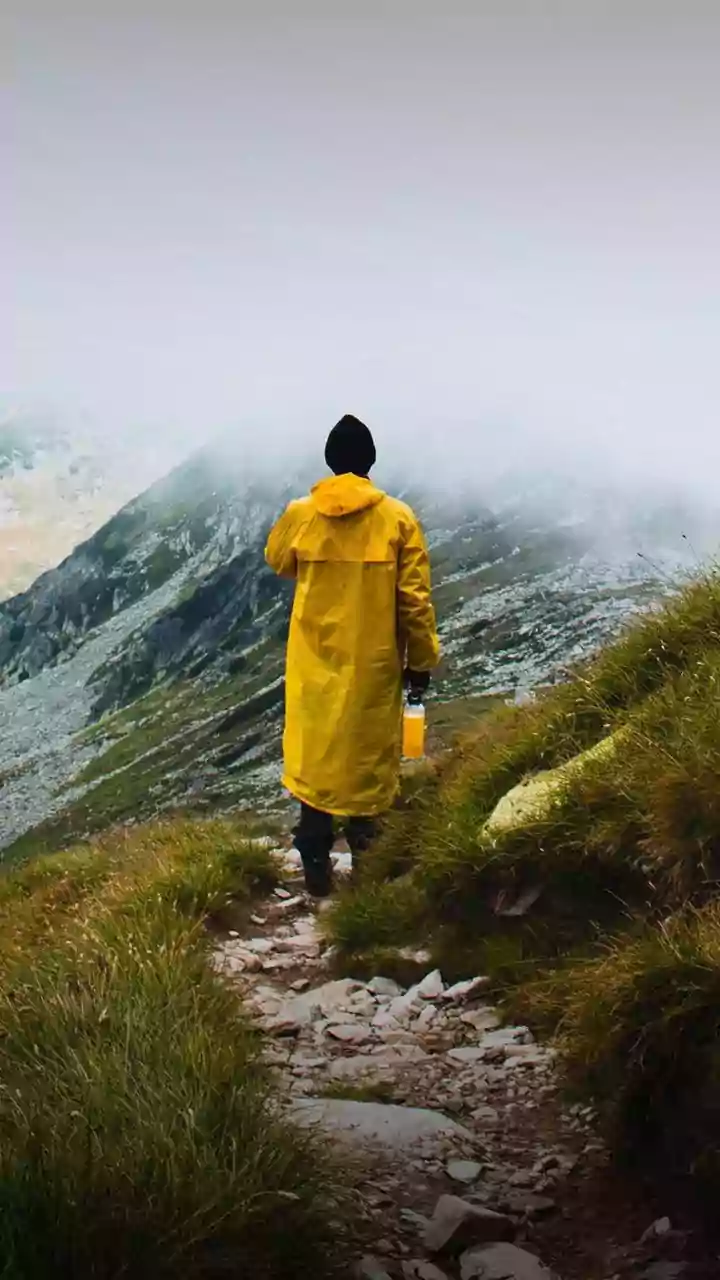
Monsoon adventures demand a specific kit. Cotton is your worst enemy; it soaks up water, gets heavy, and can lead to hypothermia. Instead, experienced adventurers opt for quick-drying synthetic clothes (like polyester or nylon). A sturdy pair of shoes with deep lugs for grip on muddy and slick surfaces is non-negotiable. A waterproof backpack or a dry bag inside your regular pack is essential to protect electronics and a spare set of dry clothes. And of course, a lightweight rain jacket is a must. It's not about staying completely dry—that's impossible—but about managing the wet and staying comfortable and safe.
Safety is Not Optional
The romance of the monsoon comes with very real risks. Flash floods can turn gentle streams into raging torrents in minutes. Visibility can drop to near zero in heavy mist or rain. The trails are not just slippery, but also home to leeches and other creatures. For these reasons, going with an experienced and reputable guide or adventure group is paramount. They understand the local weather patterns, know the safe routes, carry first-aid kits, and have the technical equipment (ropes, harnesses) and expertise to handle emergencies. Never attempt a challenging monsoon trek or climb alone or unprepared.