







The Verdict That Ignited the Fury
The latest chapter in this bitter saga was written not on the pitch, but in a formal hearing room. During the recent international break, an independent commission found Manchester City guilty of the majority of the 115 charges brought against them by
the Premier League, relating to financial irregularities between 2009 and 2018. The findings concluded the club had disguised over £800 million in direct funding from its owners as sponsorship revenue, effectively cheating the financial regulations that bind every other team. While the club denies the charges and has lodged an appeal, the verdict sent shockwaves through football, providing a focal point for years of simmering resentment. For Liverpool fans, who finished runners-up to City in incredibly tight title races, the verdict was seen as confirmation of a long-held suspicion: that they were competing against a team playing by a different set of rules.
Anfield's Volcanic Reception
The scene at Anfield on Sunday was a direct consequence of that verdict. Police diversions meant City’s team bus avoided a repeat of the infamous 2018 attack, but inside the stadium, the atmosphere was ferocious. Banners reading 'Cheats' in the style of the Oasis logo and 'Sham Pain Supernova' were unfurled. Chants of 'You cheating b*******' and 'Going down' echoed from the Kop throughout the match. Every City player's name was loudly booed. It was a coordinated, creative, and furious expression of anger from a fanbase that feels cheated out of footballing history. While City fans responded with their own defiance, waving thousands of inflatable bananas in a throwback tradition, the message from the home support was unmistakable.
From Tactical Battle to Toxic Feud
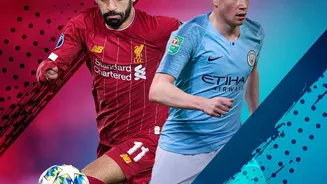
It wasn’t always like this. For years, the rivalry between Jürgen Klopp’s Liverpool and Pep Guardiola’s Manchester City was celebrated as the Premier League's tactical pinnacle. It was a clash of titans, defined by breathless football and mutual respect between the managers. But underneath the surface, tensions were building. The rivalry’s roots stretch back further than football, to the 19th-century economic competition between the two cities after the building of the Manchester Ship Canal. In a modern context, flashpoints have repeatedly stoked the fire. The 2018 Champions League quarter-final, where Liverpool fans attacked the City bus, was a significant turning point. Add in touchline spats, controversial refereeing decisions, and inflammatory chants from both sides, and the relationship began to curdle.
A Clash of Philosophies
At its heart, the animosity is also a clash of identities. Liverpool's narrative is one of history, passion, and a self-sustaining model, encapsulated by the roar of Anfield. Manchester City's story, in contrast, is one of a meteoric rise funded by the immense wealth of its Abu Dhabi-based owners. This fundamental difference in club structure and philosophy has become a major source of friction. Liverpool supporters, and many others, view City's success as manufactured and unfair, an affront to the spirit of competition. The 'guilty' verdict, for them, legitimises this viewpoint. It transforms the rivalry from a simple case of on-pitch competition into a moral crusade for the soul of the game, with City cast as the villain who broke the rules to get to the top.