




Understanding Soil Compaction
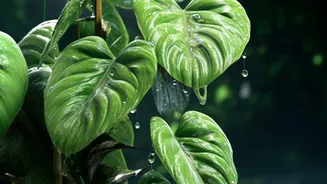
The sheer force of heavy rain beats down on bare soil, pushing particles closer together and squeezing out the air pockets. This process, known as soil compaction, creates a dense, hard layer that is hostile to plant life. Healthy soil needs to be porous
to allow water to drain, air to circulate, and roots to grow freely. When soil becomes compacted, water can no longer soak in properly, leading to puddles on the surface and waterlogged conditions below. This starves plant roots of the oxygen they need to survive, effectively suffocating them. It also makes it physically difficult for delicate new roots to penetrate the soil, stunting a young plant's growth before it even has a chance to establish itself.
Recognising the Signs of Stress
Your plants will tell you when they are struggling. One of the most common signs of overwatering and root stress is yellowing leaves, a condition called chlorosis. Paradoxically, plants in waterlogged soil may also appear wilted. This isn't from a lack of water, but because the damaged, oxygen-deprived roots can no longer absorb and transport moisture to the leaves. The leaves of an overwatered plant often feel soft and limp, unlike the crisp wilting of a thirsty plant. Other distress signals include stunted growth, the dropping of both old and new leaves, and water-soaked spots or blisters on the foliage. In severe cases, the plant's crown may begin to rot right at the soil line.
Immediate Post-Rain Actions
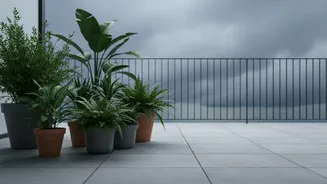
After a heavy downpour, your first instinct might be to rush out and assess the damage, but it's crucial to stay off the wet soil. Walking on saturated ground will only worsen the compaction. Wait until the surface is no longer squishy. The most important immediate task is to check on drainage. For potted plants, ensure the drainage holes are not blocked and elevate pots on bricks or stands to allow excess water to escape freely. For garden beds, if you see large areas of standing water, you may need to carefully create temporary channels to help guide the water away from the base of your plants. Gently remove any heavy debris or soil that has washed onto young plants.
Preventative Measures for Healthy Soil
The best defence against compaction is preparation. Building a healthy, resilient soil structure before the rains hit is key. The single most effective way to do this is by incorporating plenty of organic matter, such as compost, into your garden beds. Compost improves soil structure, creating a light, spongy texture that can absorb rainfall without compacting. Another crucial technique is mulching. Applying a thick layer of organic mulch like shredded leaves or bark around your plants serves multiple purposes. It shields the soil from the direct impact of raindrops, reduces erosion, helps regulate soil moisture, and suppresses weed growth. For particularly vulnerable areas, consider creating raised beds, which offer superior drainage by their very nature.
Shielding Your Young Plants
Young seedlings and recently transplanted vegetables are especially susceptible to the physical force of heavy rain and wind. You can provide temporary protection for them during the most intense storms. Simple, homemade covers or cloches can be fashioned from plastic bottles or buckets to shield individual plants. For rows of seedlings, a low tunnel covered with plastic sheeting or horticultural fleece can be a lifesaver. Ensure any covers are well-secured against wind but also allow for some ventilation to prevent overheating and fungal growth. Providing supports like stakes or cages for taller, young plants like tomatoes can prevent their stems from snapping under the weight of water.
Long-Term Recovery and Care
In the days following a deluge, continue to monitor your plants. The damp, humid conditions are ideal for fungal diseases to take hold. Look for any signs of leaf spot or mildew and promptly remove any affected leaves to prevent spread. Hold off on fertilising until you see signs of new, healthy growth. Stressed roots are unable to absorb nutrients effectively, and adding fertiliser can do more harm than good. Once the soil has dried out sufficiently, you can gently aerate compacted areas with a garden fork, being careful not to damage plant roots. This will help reintroduce oxygen into the soil and aid in its recovery.