


Moving Beyond the Tourist Trail
For decades, Indian tourism has been concentrated in a few well-trodden circuits. While these destinations are undeniably spectacular, this model creates pockets of over-tourism while leaving vast parts of the country's rich cultural and natural landscape
undiscovered. This is where rail tourism presents a compelling solution. By leveraging one of the world's largest rail networks, there's a significant opportunity to disperse tourists, alleviate pressure on popular hubs, and guide travelers towards the heart of India. The very nature of a train journey allows for stops in smaller towns and semi-urban areas, transforming the transit itself into part of the discovery and opening up new economic avenues for communities that have traditionally been bypassed.
An Engine for Local Economies
When a train brings visitors to a less-frequented area, it injects life into the local economy. The impact goes far beyond the price of a ticket. Tourists spend on local accommodation, food, handicrafts, and guided tours, creating a chain of economic benefits. This model creates direct and indirect jobs, from hotel staff and restaurant owners to artisans and taxi drivers. Initiatives like the 'One Station One Product' scheme, which provides sales outlets for local craftsmen at railway stations, directly link tourism with the preservation of regional heritage and livelihoods. By making cultural and natural assets economically valuable, rail tourism provides a strong incentive for communities to preserve their unique identity, fostering sustainable development from the ground up.
New Initiatives on the Right Track
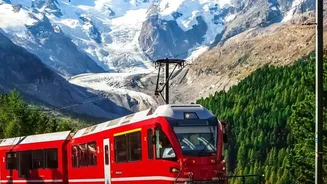
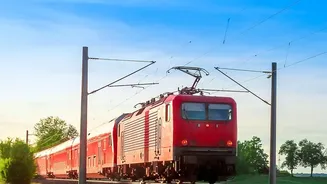
Indian Railways is actively developing this potential through several key initiatives. The Bharat Gaurav scheme, for instance, allows private operators and state governments to run theme-based tourist trains on specialized circuits. These trains, such as the Shri Ram-Janaki Yatra or those exploring the North East, offer all-inclusive packages that showcase India's cultural and religious heritage. In parallel, the introduction of Vistadome coaches on scenic routes, like those in Kashmir and along the Konkan coast, has transformed the journey itself into a major attraction. With panoramic glass windows and roofs, these coaches offer an immersive experience, proving that how you travel can be as important as where you go.
The Journey as the Destination
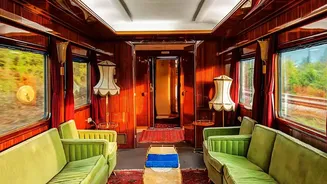
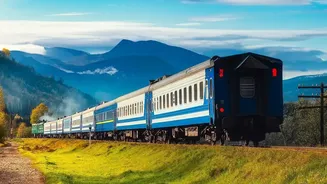
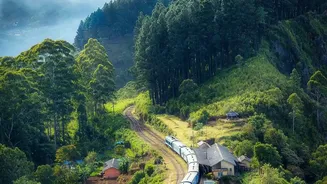
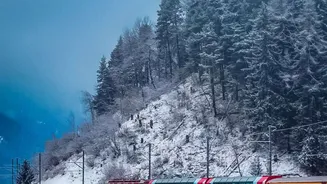
In an era of fast-paced travel, rail offers a return to a more mindful and romantic way of seeing the world. Unlike air travel, which often disconnects travelers from the landscape, train journeys are inherently scenic. They offer a slow, unfolding panorama of the countryside, from rolling hills and lush fields to quaint villages and bustling towns. This slower pace allows for a deeper connection with the destination and creates opportunities for authentic cultural encounters. Luxury trains like the revamped Golden Chariot provide a premium experience, combining heritage-inspired travel with modern comforts, while other services cater to every budget, making this mode of exploration widely accessible.
Hurdles on the Path Ahead
Despite the immense potential, significant challenges remain. A key issue is last-mile connectivity; getting from a rural railway station to the actual point of interest can be difficult. Developing this local transport infrastructure is crucial for a seamless tourist experience. Furthermore, many lesser-known destinations lack sufficient high-quality accommodation, trained guides, and other amenities that modern travelers expect. A coordinated effort between railway authorities, state tourism boards, and local entrepreneurs is needed to build this supporting ecosystem. Outdated infrastructure on some lines can also lead to delays and affect safety, highlighting the need for continued investment in modernization.