



The Invisible Danger in Our Kitchens
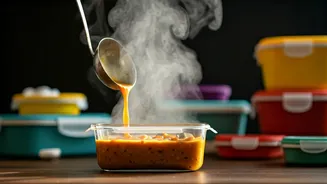
Many of us store leftovers or reheat food in plastic containers without a second thought. However, when plastic is heated, it can release harmful chemicals into our food. This process is called leaching. Two of the most concerning chemicals are Bisphenol
A (BPA) and phthalates. These are known as endocrine disruptors, meaning they can interfere with the body's hormonal systems. Studies have linked exposure to these chemicals to a range of health issues, including reproductive problems, developmental issues in children, obesity, and even an increased risk of certain cancers. The risk of leaching increases significantly with heat, meaning microwaving food in a plastic container or even just storing hot food in one can heighten your exposure. Fatty or acidic foods can also absorb these chemicals more readily.
More Than Just Chemicals: The Microplastic Threat
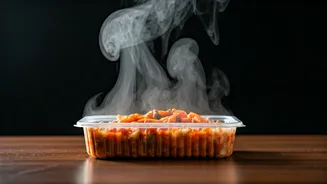
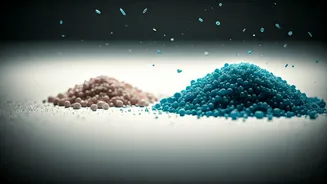
Beyond chemical leaching, heating also causes plastics to shed millions of tiny particles called microplastics and even smaller nanoplastics. Recent research has shown that microwaving plastic containers, even those labelled "microwave-safe," can release hundreds of thousands, if not millions, of these particles directly into your meal. While the full, long-term impact of ingesting microplastics is still being studied, scientists are concerned about how they may affect our digestive system and overall health. The convenience of a quick, microwaved meal might be contributing to a hidden buildup of plastic within our bodies. Even products marketed as "BPA-free" are not always safe, as they may contain other bisphenols that carry similar risks.
The Environmental Vicious Cycle
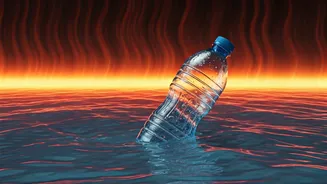
The connection between heat and plastic extends beyond our kitchens. During heatwaves, our consumption of single-use plastics often spikes. We buy more bottled water and cold drinks to stay hydrated and opt for takeaway or delivery to avoid cooking in a hot kitchen. This increases the amount of plastic waste that our cities have to manage. Unfortunately, a significant portion of India's plastic waste is not collected or managed properly. Extreme weather events, like heavy monsoon rains that often follow intense heat, can then wash this plastic debris from land into our rivers and oceans, worsening pollution. This creates a damaging cycle: our response to heat generates more plastic waste, which harms the environment and contributes to the broader climate crisis that fuels extreme weather.
Simple Swaps for a Safer Home
The good news is that reducing these risks is achievable with some simple changes in our daily habits. The key is to move away from plastic, especially when heat is involved. For storing food, switch to glass or high-quality stainless steel containers. These materials are non-reactive, durable, and won't leach chemicals into your food, no matter the temperature. When reheating food, always transfer it to a ceramic or glass dish instead of microwaving it in a plastic takeaway container. In the kitchen, replace plastic spatulas and spoons, which can warp and degrade with heat, with ones made of wood or stainless steel. Carrying your own reusable water bottle, preferably made of steel or copper, is another easy and effective way to reduce your plastic use and exposure.
Building Broader Awareness
While individual actions are powerful, creating lasting change requires a community-wide shift in awareness. Start by sharing what you know with friends and family. When ordering food, politely request that restaurants don't include single-use plastic cutlery. Support local businesses and brands that use sustainable packaging or offer refills. By being mindful consumers, we can send a message to the market that we demand safer, more environmentally friendly options. Understanding the link between the heat we feel and the plastic we use is the first step. Turning that understanding into conscious daily choices protects not only our own health but also the health of our communities and the planet.