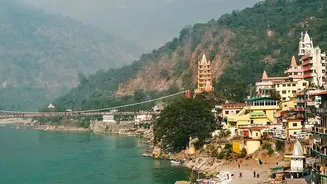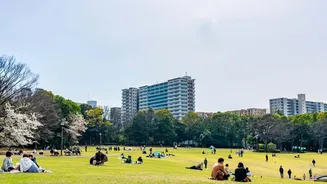







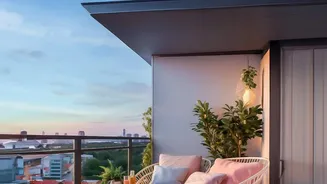

The great Indian annual vacation is undergoing a major reinvention. Instead of one long break, travellers are embracing a 'little and often' approach with short, frequent getaways to recharge and maintain personal equilibrium in a fast-paced world.
The Rise of the Micro-Vacation
The
concept of saving up all your leave for a single, long holiday is fading. In its place, the 'micro-vacation' has emerged as a dominant travel trend across India. A micro-vacation is typically a short, intentional trip lasting between two to four days, often planned around a long weekend. This shift reflects a change in lifestyle where travel is seen less as a rare event and more as a regular habit for maintaining well-being. Instead of waiting an entire year to decompress, people are proactively scheduling quick escapes to prevent stress from accumulating, with experts noting that short, frequent breaks can be more effective for managing burnout. This new travel rhythm is about making rest a consistent part of life, not just a once-a-year luxury.
An Antidote to Modern Burnout
A key driver behind this trend is the intense pressure of modern work culture. Long working hours, demanding commutes, and the 'always-on' expectation from digital connectivity have made burnout a significant issue for many Indian professionals. Studies show that longer commute times are directly linked to a lower work-life balance. Micro-vacations serve as a direct response to this mental and emotional exhaustion. They provide a much-needed opportunity to disconnect, even for a short period, which can significantly reduce stress and improve mental clarity. By stepping away from the daily routine more often, travellers find they can return to their responsibilities with renewed energy and focus.
Flexibility, Freedom, and a New Way of Working
The widespread adoption of remote and hybrid work models has been a massive catalyst for this trend. With the office no longer being a mandatory five-day-a-week destination, professionals have gained unprecedented flexibility. This allows them to blend work and travel, giving rise to 'workations' where they can operate from a scenic hill station or a quiet beach town. This newfound location independence makes it easier to plan and take short trips without dipping into precious annual leave. Improved connectivity, with reliable Wi_Fi becoming more accessible even in remote areas, has further empowered this digital nomad culture, turning places like Manali and Goa into thriving hubs for remote workers.
Smarter, Shorter, and More Accessible Trips
Beyond the mental health benefits, micro_vacations are also a practical and financially savvy choice. A short domestic trip is significantly more affordable than a long_haul international holiday, allowing people to travel more frequently throughout the year. Travellers are finding they can enjoy multiple refreshing experiences for the same budget as one extensive trip. Planning is also simpler, with many trips being booked spontaneously just days in advance. This trend is visible not just in metros but also in Tier_2 and Tier_3 cities, fueled by better road networks and more flight options that make weekend destinations more accessible than ever. Popular choices include quick drives to nearby hill stations, heritage towns, and coastal retreats, such as Lonavala from Mumbai, Coorg from Bengaluru, or Neemrana from Delhi_NCR.
Experience Over Everything
The micro_vacation trend also signals a shift in what travellers value. The focus is now on quality experiences rather than just ticking off a long list of sights. Whether it's a wellness retreat, a cultural deep_dive in a city like Jaipur, or an adventure weekend, the goal is a memorable and immersive break. Reports indicate a preference for unique stays like homestays and boutique properties that offer an authentic local feel. Even though the trips are shorter, travellers are often willing to spend on premium experiences, with a noticeable rise in bookings for four and five_star properties for these quick getaways. This reflects a desire for comfort and quality to maximize the restorative power of a short break.