




Why Walk in the Dark?
Imagine a world where your sense of hearing takes the lead. The familiar crunch of leaves underfoot is amplified. The gentle hum of the day is replaced by a vibrant chorus of crickets, the hoot of a distant owl, or the rustle of an unseen creature in the undergrowth.
This is the primary allure of a night walk. By dimming our most dominant sense—sight—we are forced to engage with the environment in a completely new way. The air feels cooler, the scents of damp earth and night-blooming flowers are more pronounced, and the experience becomes deeply immersive and meditative. It’s an opportunity to trade the grand vistas of a day trek for the intimate, mysterious details of a forest after dark.
A Different World Awakens
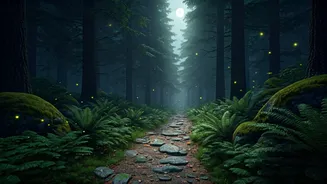
The “eco” in a night eco walk is not just a buzzword; it’s the heart of the experience. Many of India's most fascinating creatures are nocturnal. A guided walk is your ticket to this hidden theatre of nature. You might spot civets, slender lorises, or jungle cats on the move. Your guide’s trained eye can point out camouflaged moths with intricate wing patterns, glowing bioluminescent fungi clinging to decaying logs, or the mesmerising sight of a field lit up by fireflies. Even the insect world comes alive with spiders weaving elaborate webs and frogs calling for mates. It’s a powerful reminder that the ecosystem is a 24/7 operation, and we usually only witness half of the story.
Top Spots for a Night Adventure
India offers a growing number of organised and safe night walks. In Mumbai, the Sanjay Gandhi National Park offers guided trails where you can discover the city’s hidden nocturnal biodiversity. The Western Ghats, particularly around Coorg in Karnataka and Lonavala in Maharashtra, are famous for their night trails, especially during and after the monsoon when the forests teem with amphibians and insects. In the south, the Periyar Tiger Reserve in Kerala offers guided night patrols with forest guards, providing a thrilling and authentic experience. Up north, certain buffer zones of Himalayan national parks also host walks that reveal a different side of the mountain ecology. Always book with certified operators or the forest department directly.
Your Guide: An Essential Companion
Attempting a night trek alone is not just risky; it’s a missed opportunity. A professional guide is indispensable. Firstly, for safety. They know the terrain, are trained in first aid, and can navigate confidently in the dark, ensuring you don’t get lost or wander into danger. Secondly, they are expert naturalists. Without a guide, you would walk past 90% of the nocturnal action. They know where to look, what to listen for, and can identify the creatures you encounter. They act as interpreters, translating the subtle signs of the forest and enriching your understanding of the delicate ecosystem you are a guest in. Their presence transforms a simple walk into an educational and awe-inspiring journey.
Gearing Up for the Night
Packing for a night walk is about being prepared but light. Your most crucial piece of gear is a headlamp, preferably one with a red light mode. Red light preserves your night vision and is less disturbing to wildlife. Sturdy, closed-toe shoes with good grip are non-negotiable to protect against uneven ground and unseen obstacles. Wear full-sleeved shirts and long trousers to guard against insect bites and scratches. A natural, DEET-free insect repellent is a good idea. Carry a small backpack with a water bottle, some light snacks, and a basic first-aid kit. Finally, pack your curiosity and a willingness to be quiet. The less noise you make, the more the forest will reveal to you.