
The Culinary Magic of Tadka
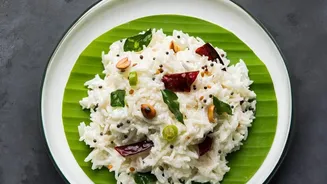
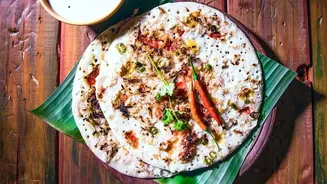
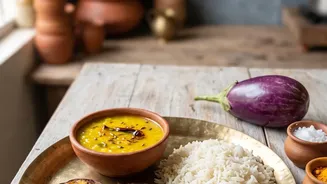
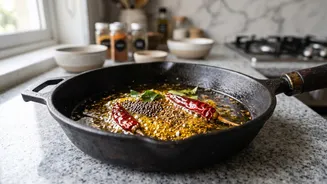
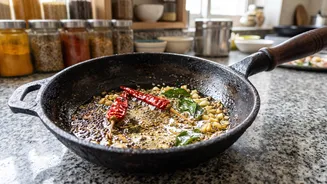
Known as tadka, vaghar, or chhonk, tempering is a cornerstone of Indian cooking. It involves briefly frying whole or ground spices in hot oil or ghee to release their essential oils. This aromatic fat is then poured over a dish, such as dal, vegetables,
or yogurt, infusing it with a complex layer of flavour and aroma that cannot be achieved by simply adding raw spice powders. This foundational step is what gives many Indian dishes their characteristic depth and richness, a sensory experience that begins long before the food reaches the plate. But as it turns out, this age-old culinary wisdom has profound scientific underpinnings that go far beyond just taste and smell.
Unlocking Flavour and Nutrients
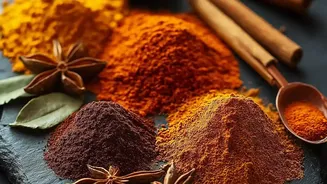
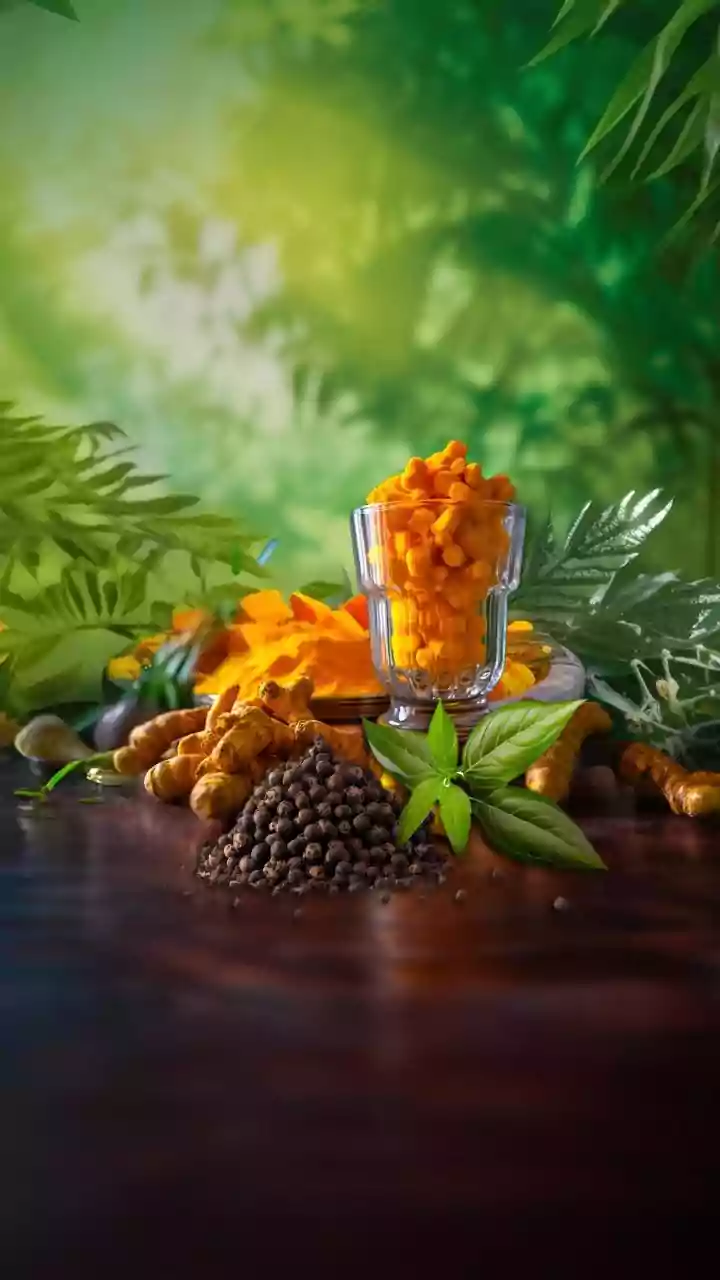
Spices are packed with aromatic compounds that are responsible for their unique flavours and scents. Many of these potent molecules, such as curcumin in turmeric or the essential oils in cumin and cloves, are fat-soluble. This means they dissolve in fat rather than water. When you sizzle spices in hot fat, you are essentially using the fat as a solvent to extract these flavourful compounds, allowing them to distribute evenly throughout the dish. Without this step, the flavours remain locked within the spice and are less impactful. More importantly, this process also increases the bioavailability of many beneficial compounds and fat-soluble vitamins (like A, E, and K) present in both the spices and the food they are added to. For example, the body struggles to absorb curcumin from turmeric on its own, but its absorption can increase dramatically when consumed with fat and piperine from black pepper.
The Science of Sizzling
The headline's term, 'hydrolysis', refers to a chemical reaction where water breaks down a compound. While the fat used in tadka is largely anhydrous (water-free), trace amounts of water are present in the spices themselves. At high temperatures, this water can react with complex oils and esters in the spices, breaking them down into smaller, more aromatic molecules like alcohols and acids. However, this is just one piece of a complex chemical puzzle. The heat and fat work together to trigger a cascade of reactions that transform the spices. This 'blooming' process breaks down the tough cellular structure of the spices and releases volatile oils that would otherwise remain trapped. The heat not only extracts but also transforms these compounds, creating new, deeper flavour profiles while making the original compounds more accessible to your body.
A Boost for Your Digestion
So, how does this help your gut? The answer lies in pre-digestion. By breaking down complex compounds in the pan, you're doing some of the digestive system's work for it. Many spices, like ginger, cumin, and black pepper, are known to stimulate the digestive process. Studies have shown that certain spices can encourage the liver to secrete more bile acids, which are crucial for digesting and absorbing fats. They may also enhance the activity of key digestive enzymes like pancreatic lipase and amylase. When these spices are 'bloomed' in fat, their active compounds are already released and bioavailable. This makes it easier for your body to not only absorb their health benefits but also to process the entire meal, potentially reducing issues like bloating and indigestion that can sometimes accompany rich or heavily spiced foods.
How to Master the Technique
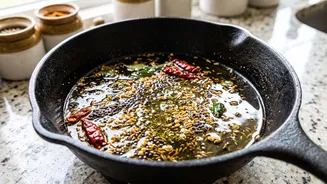
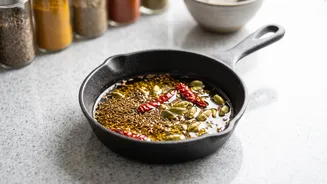
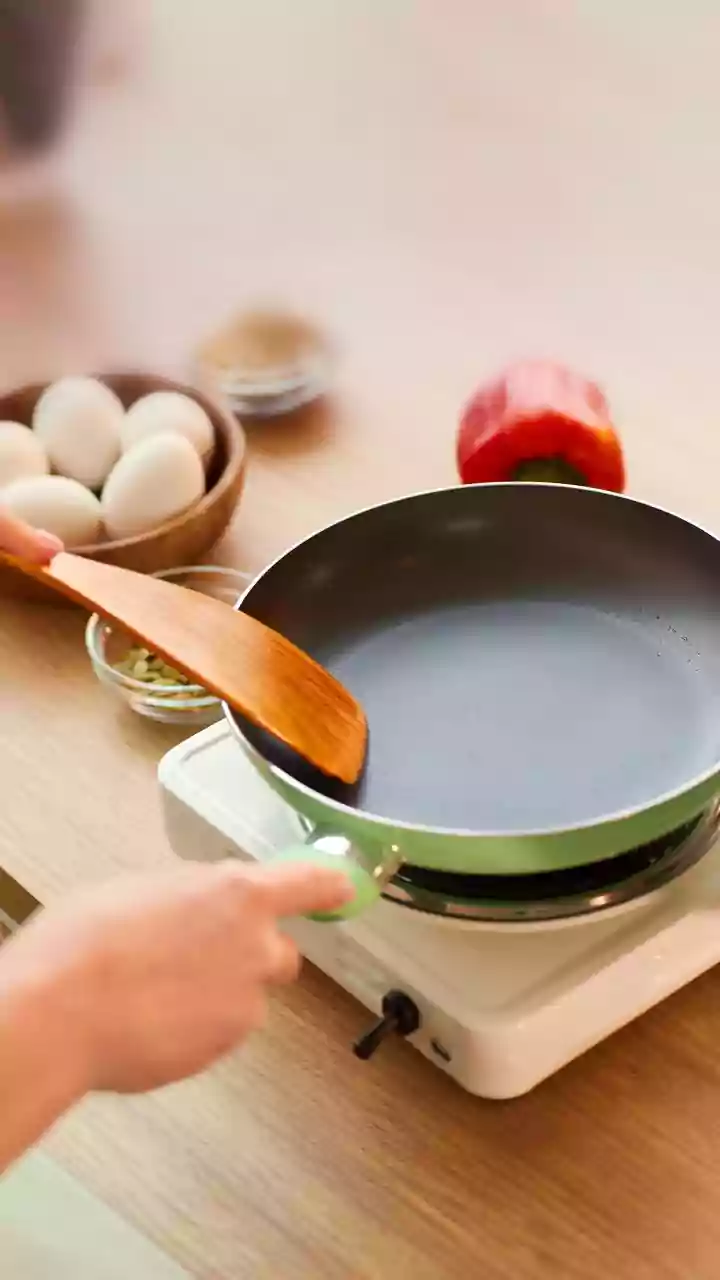
Making a perfect tadka is an art that requires timing and attention. The key is to get the fat hot enough but not smoking. Add your hardiest spices first, like cumin seeds, mustard seeds, and dried chillies. Wait for them to pop and become fragrant—this is the sign that their oils are being released. This usually takes about 30 seconds. More delicate items, like garlic, ginger, and ground spices (like asafoetida or turmeric), should be added last as they can burn quickly. Once they release their aroma, which takes only a few seconds, immediately pour the entire mixture into your main dish. This stops the cooking process and ensures the spices are perfectly toasted, not burnt, delivering maximum flavour and digestive benefit.