

The Building Blocks of Life
First, let's talk about protein. It's a macronutrient essential for nearly everything our bodies do—from building and repairing tissues like muscle, to creating enzymes and hormones. Proteins themselves are made of smaller units called amino acids. There
are 20 different amino acids, but nine of them are called 'essential amino acids' because our bodies can't produce them. We must get these nine from the food we eat, making them a crucial part of our diet.
Understanding 'Complete' Proteins
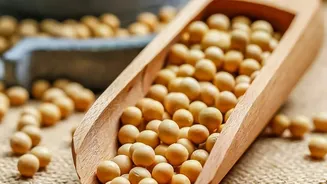
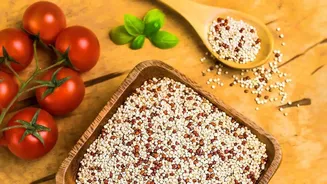
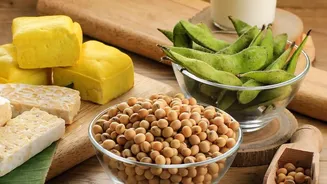
You may have heard the term 'complete protein'. A food is considered a complete protein when it contains all nine essential amino acids in sufficient amounts. Animal-based foods like meat, fish, eggs, and dairy are classic examples of complete proteins. Some plant foods, such as quinoa and soy products like tofu, are also complete proteins. Most other plant foods, while rich in protein, are considered 'incomplete' because they are low in one or more of these essential amino acids. This doesn't make them inferior; it just means they need a partner to round out their nutritional profile.
Grains and Legumes: A Perfect Mismatch
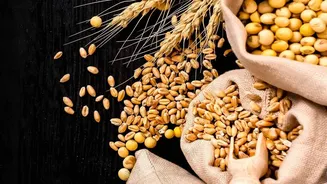
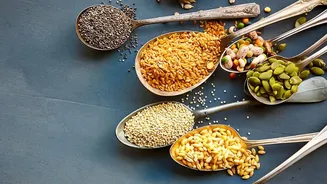
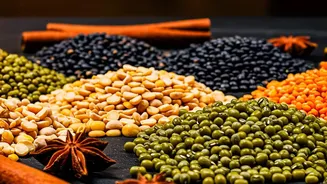
This is where the magic of combining foods comes in. Grains like rice, wheat, and corn are generally low in one specific essential amino acid: lysine. On the other hand, legumes—a family that includes all our beloved dals, beans, and chickpeas—are typically low in another essential amino acid: methionine. By themselves, their protein is incomplete. But when you eat them together, they perfectly compensate for each other's limitations. The lysine from the legumes makes up for what's missing in the grains, and the methionine from the grains completes the profile of the legumes.
The Power of Complementary Pairings
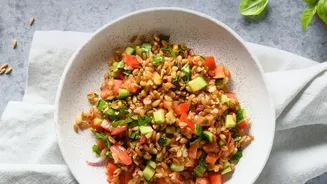
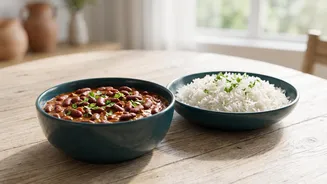
This concept is known as forming 'complementary proteins'. Traditional Indian meals are brilliant examples of this principle in action. A plate of rajma-chawal or dal-roti isn't just a delicious and comforting meal; it's a nutritionally complete one. The grain (rice or wheat) and the legume (rajma or dal) work together to provide all nine essential amino acids, giving your body the high-quality protein it needs to thrive. Other examples include idli or dosa (made from fermented rice and lentil batter) served with sambar.
How Scientists Score Protein
Scientists have ways to measure and rank protein quality. One of the most established methods is the Protein Digestibility Corrected Amino Acid Score (PDCAAS). This score evaluates a protein based on its amino acid profile and how well humans can digest it, with a top score of 1.0 indicating a high-quality, highly digestible protein. While individual plant proteins may score lower, a combination of complementary proteins like rice and beans scores much higher. A newer method, called the Digestible Indispensable Amino Acid Score (DIAAS), is considered even more precise by some experts as it measures amino acid absorption at a different point in the digestive system.
Myth-Busting: Do They Have to Be in the Same Meal?
For years, the popular belief was that you had to eat complementary proteins at the exact same meal for your body to benefit. However, modern nutrition science has debunked this myth. Research has shown that our bodies maintain a 'pool' of free amino acids. This means that as long as you consume a variety of protein sources throughout the day—for instance, eating roti for breakfast and a bowl of dal for lunch—your body can pull the necessary amino acids from this pool to create complete proteins as needed. The key is variety over the course of the day, not perfect pairing in every single meal.