




A Tale of Two Moons
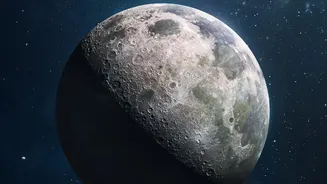
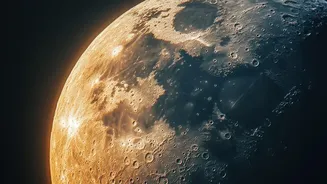
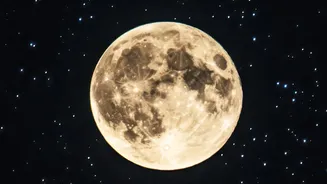
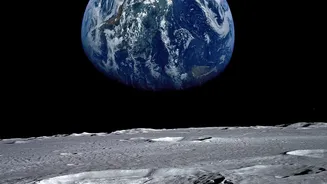
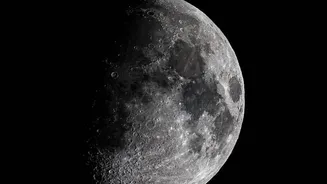
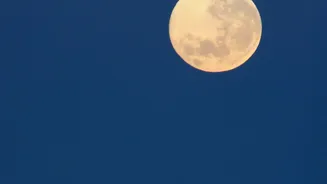
The face of the Moon we see from Earth, its near side, is defined by vast, dark, smooth plains called 'maria', Latin for 'seas'. These are the features that create the familiar patterns we recognise. For decades, scientists have known these are not seas of water
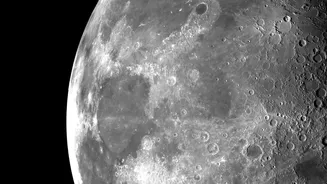
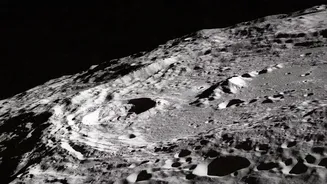
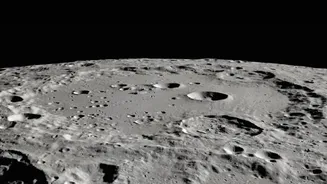
but colossal plains of solidified volcanic rock. In stark contrast, the far side, hidden from our view and only first seen by spacecraft in the 1960s, is a rugged, crater-scarred landscape with a much thicker crust and very few maria. This stark difference, known as the lunar dichotomy, has been one of the most enduring mysteries in planetary science.
The KREEP Connection
A major clue to this mystery lies in the near side’s unique chemical composition. It is home to a region known as the Procellarum KREEP Terrane (PKT). KREEP is a scientific acronym for a geochemical signature rich in potassium (K), rare-earth elements (REE), and phosphorus (P). Crucially, this mixture also includes a high concentration of heat-producing radioactive elements like thorium and uranium. This concentration of KREEP makes the near side a geological hot spot, quite literally. The heat generated by these radioactive elements is believed to have played a huge role in the near side's prolonged volcanic activity.
A Flow of Ancient Magma
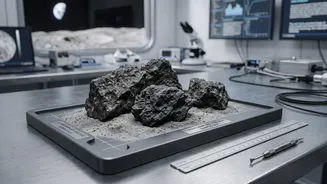
So, how did all this heat-producing material end up on one side? A new model, supported by analysis of lunar rocks from missions like China's Chang'e-6, points to the Moon's early history, shortly after it became tidally locked with Earth. Back then, a vast magma ocean covered the Moon. Researchers suggest that uneven heating, potentially driven by Earth's gravitational pull on the closer near side, created a temperature gradient in this molten rock. This difference in temperature triggered a massive, slow-motion flow within the mantle. Hotter, lighter magma containing the KREEP elements migrated from the deeper mantle and became concentrated beneath the crust of the near side.
How Heat Shaped the Surface
This concentration of radioactive, heat-generating elements had profound consequences. On the near side, the extra heat kept the mantle hotter for longer and thinned the overlying crust. When asteroids and comets later slammed into the Moon, the thinner near-side crust was more easily punctured. These impacts allowed magma from the still-molten mantle below to well up, flooding the massive basins and creating the smooth, dark maria we see today. Conversely, the far side, deprived of this extra heat source, cooled faster. Its crust grew thicker and more robust, making it much harder for magma to reach the surface, leaving it a heavily cratered, ancient landscape.
Solving a Cosmic Mystery
For years, other theories like a giant impact were proposed to explain the Moon's two faces. While major impacts certainly played a role in shaping the Moon, the new model based on this large-scale magma convection provides a more comprehensive explanation for the underlying chemical and thermal differences. Computer simulations show how this process could effectively concentrate KREEP material on the near side, consistent with observations. Analysis of the first-ever samples returned from the far side by the Chang'e-6 mission provides strong supporting evidence for this heat-driven circulation model.