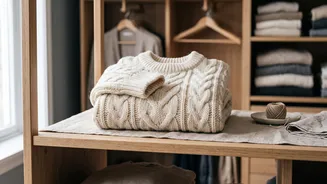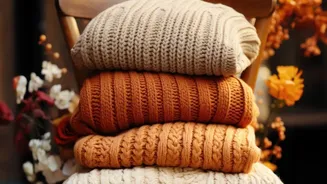




Wool is a timeless, durable, and wonderfully warm fabric, but it comes with a common fear: the dreaded laundry day shrinkage. The key to keeping your favourite woollens in perfect shape lies in understanding one crucial rule: keep them away from hot water.
The Science Behind Wool Fibres
To understand why wool reacts so dramatically to improper washing, you need to look at its unique structure. Unlike smooth plant-based fibres like cotton, individual wool fibres are covered in tiny, overlapping scales, similar to shingles on a roof or the cuticle of human hair. These scales, combined with the natural crimp of the fibre, are what help wool trap air and keep you warm. They also contain lanolin, a natural wax that gives wool its softness and moisture-resistance. However, this scaly structure is also its biggest vulnerability when it comes to washing.
Heat, Water, and Agitation: A Recipe for Shrinkage
When wool is exposed to hot water, those microscopic scales on the fibres lift and open up. If you then add the mechanical stress and movement of a washing machine cycle—or even vigorous hand-washing—these open scales can snag on each other. As they move, they interlock and bind together, pulling the fibres into a tighter, denser state. This process is called felting, and it is irreversible. The garment doesn't just get smaller; the fabric itself physically changes, becoming thicker and more compact. A sudden change in temperature, like moving from a hot wash to a cold rinse, can shock the fibres and cause them to constrict even further.
The Right Way to Wash Your Woollens
Properly washing wool isn't difficult, it just requires a gentle approach. Handwashing is always the safest bet. Use cool or lukewarm water, never exceeding 30°C. Choose a pH-neutral detergent specifically designed for wool, as standard detergents can contain enzymes that break down the protein fibres in wool. Submerge the garment, gently squeeze the suds through it, and let it soak for about 10-15 minutes. Avoid any harsh rubbing or wringing. If your washing machine has a certified wool or delicate cycle, that can also be an option. Use a mesh laundry bag, select the coldest temperature setting, and ensure the spin speed is on the lowest setting, ideally under 600 rotations per minute.
Drying Is Just as Important as Washing
The threat of heat doesn't end when the wash cycle is over. Never put wool clothing in a tumble dryer. The combination of high heat and tumbling action is a surefire way to cause felting and shrinkage. Instead, gently remove excess water after washing. You can do this by pressing the garment between your hands or rolling it up in a clean, dry towel. Then, lay the item flat on another dry towel or a mesh drying rack. Reshape the garment, straightening the sleeves and hems, and let it air-dry away from direct sunlight or radiators, as intense heat can also damage the fibres. Avoid hanging wet wool, as the weight of the water will stretch the fibres and distort the garment's shape.
Can a Shrunken Wool Sweater Be Saved?
If the worst has happened, there is a small chance of rescue, but success isn't guaranteed, especially if the wool is severely felted. You can try to relax the fibres by soaking the shrunken item in a basin of lukewarm water with a generous amount of hair conditioner or baby shampoo. After soaking for about 30 minutes, gently squeeze out the excess water without rinsing and lay the garment on a flat towel. Carefully begin to stretch the fabric back to its original dimensions while it is still damp. This process can sometimes relax the interlocked fibres enough to regain some size, but it is far more effective to prevent shrinkage in the first place.