




The Queen of Spices
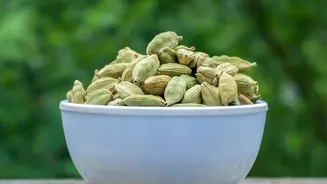
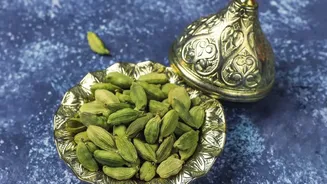
Cardamom, or 'elaichi' as it's known in India, is a cornerstone of South Asian cooking, celebrated for its complex aroma that is simultaneously sweet, floral, and slightly citrusy. It's a member of the ginger family and is considered one of the world's
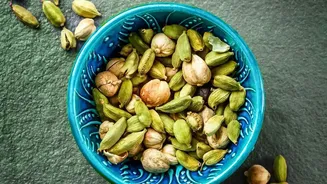
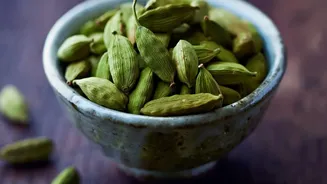
most valuable spices, right alongside saffron and vanilla. There are two main types: green and black. Green cardamom is what we're using here; it has a delicate, sweet-spicy flavour perfect for both desserts and savoury dishes. Black cardamom is larger, with a much stronger, smoky profile suited for robust, slow-cooked meat dishes. For our pilaf, the floral notes of green cardamom are essential for creating that signature fragrant lift.
Why Use Whole Pods?
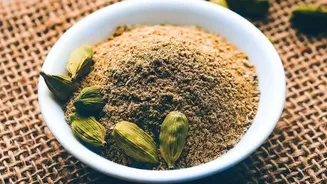
While ground cardamom offers an immediate burst of flavour, whole pods are the secret to a more subtle and infused aroma. When added to the cooking pot, the pods gently heat up and slowly release their essential oils. This process infuses the entire dish—the rice, the water, the other spices—with a wonderfully layered fragrance that doesn't overpower. Using whole pods, which you can lightly crush to help release their flavour, ensures you get the full aromatic experience without the risk of a gritty texture. The pods are easy to spot and remove before serving, leaving behind their beautiful essence.
The Recipe: Savoury Cardamom Rice Pilaf
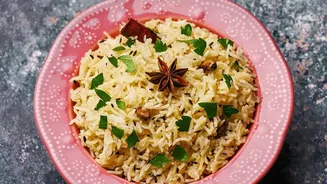
This recipe focuses on the classic pilaf method of toasting the rice and aromatics before adding liquid. This step is crucial for developing flavour and ensuring fluffy, separated grains. Ingredients: - 1 ½ cups basmati rice - 2 tablespoons ghee or vegetable oil - 1 small onion, finely chopped - 2 cloves garlic, minced - 6-8 whole green cardamom pods, lightly crushed - 1 cinnamon stick - 4 whole cloves - 3 cups vegetable or chicken stock, warmed - 1 teaspoon salt, or to taste - Freshly ground black pepper Instructions: 1. Rinse the basmati rice in cool water until the water runs clear. This removes excess starch and prevents the rice from becoming sticky. Drain well and set aside. 2. In a medium saucepan with a tight-fitting lid, heat the ghee or oil over medium heat. Add the chopped onion and cook until softened and translucent, about 3-4 minutes. 3. Add the minced garlic, whole cardamom pods, cinnamon stick, and cloves. Sauté for another minute until the spices become fragrant. 4. Stir in the drained rice, ensuring every grain is coated in the spiced ghee. Toast for 2-3 minutes, stirring constantly. 5. Pour in the warm stock, add the salt and pepper, and bring the mixture to a boil. 6. Once boiling, immediately reduce the heat to the lowest setting, cover the pan with its lid, and let it simmer for 15-18 minutes without lifting the lid. 7. Remove the pan from the heat and let it rest, still covered, for at least 10 minutes. This step allows the steam to finish cooking the rice perfectly. 8. Before serving, gently fluff the rice with a fork. Remove the whole spices if you prefer.
Tips for Perfect Pilaf
To ensure your pilaf is fluffy and flavourful every time, keep these points in mind. First, always use long-grain rice like basmati; its structure helps the grains stay separate. Toasting the rice in ghee or oil before adding liquid is non-negotiable; it creates a nutty flavour and prevents mushiness. The liquid-to-rice ratio is key; a standard for basmati is 1.5 to 2 cups of liquid for every cup of rice. Finally, resist the urge to stir the rice while it simmers. Stirring breaks the grains and releases starch, leading to a sticky texture. Let it steam undisturbed.
Serving Suggestions and Variations
This cardamom rice pilaf is incredibly versatile. It serves as a beautiful base for rich meat and vegetable stews, curries, or grilled meats and poultry. For added texture and richness, consider stirring in toasted nuts like slivered almonds or pistachios just before serving. A handful of raisins or barberries can introduce a lovely sweetness to balance the savoury spices. For a pop of colour and freshness, garnish with chopped fresh coriander or dill. You can even make it a one-pot meal by adding vegetables like peas or chickpeas along with the stock.