







The Daily Strain of Sitting
In our modern lives, sitting for eight or more hours a day has become the norm. While it may seem harmless, prolonged sitting places significant stress on your spine. Unlike standing, sitting increases the pressure on the intervertebral discs in your lower
back. When you slouch in a non-supportive chair, this pressure can increase dramatically, straining muscles and ligaments that struggle to keep your spine aligned. Over time, this constant strain can lead to muscle fatigue, joint irritation, and even accelerate degenerative disc issues. This is how occasional discomfort gradually transforms into a persistent, chronic condition that affects your daily life.
Ergonomics: Your First Line of Defence
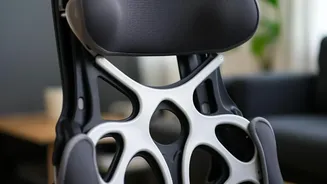
Ergonomics is the science of designing your environment to fit you, not forcing your body to fit the environment. When it comes to seating, an ergonomic approach is about creating a setup that supports the natural 'S' curve of your spine. A well-designed ergonomic chair isn't a luxury; it's a tool for long-term health. By providing adjustable support, it distributes your body weight evenly, reduces pressure on your lower back, promotes healthy blood flow, and prevents the muscle fatigue that leads to slouching and pain.
Key Adjustments for a Healthier Back
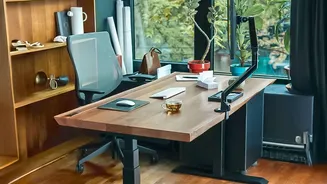
You don't need the most expensive chair to improve your posture. The key is to adjust what you have to support your body correctly. Start with these fundamental adjustments: 1. Set Your Foundation: Adjust your chair height so your feet are flat on the floor, with your knees at a 90-degree angle and roughly level with your hips. This creates a stable base and prevents pressure on the back of your thighs. If your desk is too high, use a footrest. 2. Support Your Lower Back: Your chair should have lumbar support that fits into the natural curve of your lower back. Your buttocks should be all the way back in the chair to use it effectively. If your chair lacks built-in support, a rolled-up towel or a dedicated lumbar pillow can work wonders. 3. Align Your Upper Body: Position your monitor so the top of the screen is at or just below eye level, and about an arm's length away. This prevents you from hunching forward and straining your neck. Your elbows should also be at a 90-degree angle, with your shoulders relaxed and your arms resting comfortably on armrests or your desk.
The Long-Term Payoff
Making these adjustments might feel strange at first, but the long-term benefits are profound. By maintaining a supported, neutral posture, you are actively preventing the micro-traumas that accumulate over months and years. You reduce the risk of developing musculoskeletal disorders like chronic back pain, neck stiffness, and sciatica. You're not just aiming for immediate comfort, but investing in your future mobility, productivity, and overall well-being. An ergonomic setup helps prevent your muscles from having to overwork, reducing fatigue and allowing you to stay focused.
Movement Is Still Essential
Even the perfect ergonomic chair isn't a license to sit motionless for hours. Your body is designed to move. The American Optometric Association recommends the 20-20-20 rule: every 20 minutes, look at something 20 feet away for 20 seconds to reduce eye strain. It's also wise to get up and move around for a few minutes every hour. Stand up, stretch, walk around your room, or do a few simple exercises. This movement improves circulation, relaxes your muscles, and gives your spinal discs a chance to decompress, further protecting you from the strains of a sedentary day.