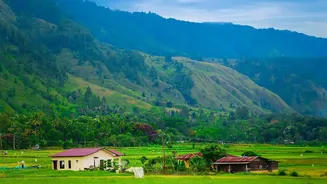







A Fragile Paradise
Ziro Valley is more than just a beautiful destination; it's a candidate for the UNESCO World Heritage list, primarily due to the Apatani people and their incredible system of sustainable agriculture. This unique culture, which combines rice and fish farming
in intricate terraces, has thrived for centuries. The region's delicate balance is precisely why visitors are asked to be mindful. Tourism here is a privilege, and it comes with the responsibility to protect both the environment and the local way of life. The rules and permits aren't bureaucratic hurdles; they are safeguards for a culture and landscape that are truly one-of-a-kind.
First Step: The Inner Line Permit
Before you can even think about packing your bags, you need an Inner Line Permit (ILP). This is a mandatory travel document for any Indian citizen who is not a resident of Arunachal Pradesh. It's a requirement rooted in the Bengal Eastern Frontier Regulation of 1873, designed to protect the state's indigenous communities and sensitive border location. Every traveller needs their own individual permit. Be prepared to show a printed copy at multiple checkpoints upon entering the state and traveling between districts; a digital copy is often not sufficient. Foreign nationals require a different document called a Protected Area Permit (PAP), which has a separate application process.
Securing Your ILP: Online and Offline
The easiest way to get your tourist e-ILP is by applying online through the official government portal. You'll need a passport-sized photograph (with specific size and background requirements) and a scanned copy of a valid photo ID like an Aadhaar card or passport. The online form will ask for your personal details, the districts you plan to visit (be sure to list all, including Ziro/Lower Subansiri), and your proposed travel dates. The fee for a tourist permit is typically around ₹500 for a stay of up to 14 days, though shorter-duration permits may be cheaper. Approval is often granted the same day during working hours. For those who prefer, ILPs can also be obtained offline from Arunachal Bhawan offices in cities like Guwahati, Delhi, and Kolkata, though this process takes longer.
The Eco-Stay Ethos of Ziro
Respecting "eco stay rules" in Ziro is less about a formal checklist and more about adopting a conscious mindset. The core principle is to leave no trace. This starts with minimizing plastic; carry a reusable water bottle and refuse single-use plastics whenever possible. Many homestays, often built with traditional bamboo, are leading the way in sustainable practices like waste segregation, composting, and conserving water. As a guest, you can contribute by being mindful of your own consumption. Support these local, eco-friendly accommodations over larger hotels to ensure your money directly benefits the community that is welcoming you into their home.
Respecting Apatani Culture and People
True responsible travel goes beyond environmental care and extends to cultural respect. The Apatani people are known for their warm hospitality, but it's crucial to be a respectful guest. Always ask for permission before taking photographs, especially of the elder women who are famous for their traditional facial tattoos and nose plugs—a practice that is no longer continued. Dress modestly, especially when walking through villages. Engage with your homestay hosts, share stories, and learn about their way of life, but also be mindful of their privacy. Supporting local artisans by buying handicrafts directly or participating in community-led workshops is another great way to contribute positively.