

When winter arrives, Jaipur sheds the fierce heat of summer and dons a cloak of pleasant sunshine and crisp, cool air. This shift transforms the Pink City into an ideal destination for a city break steeped in history, colour, and culture.
The Majestic Amber Fort
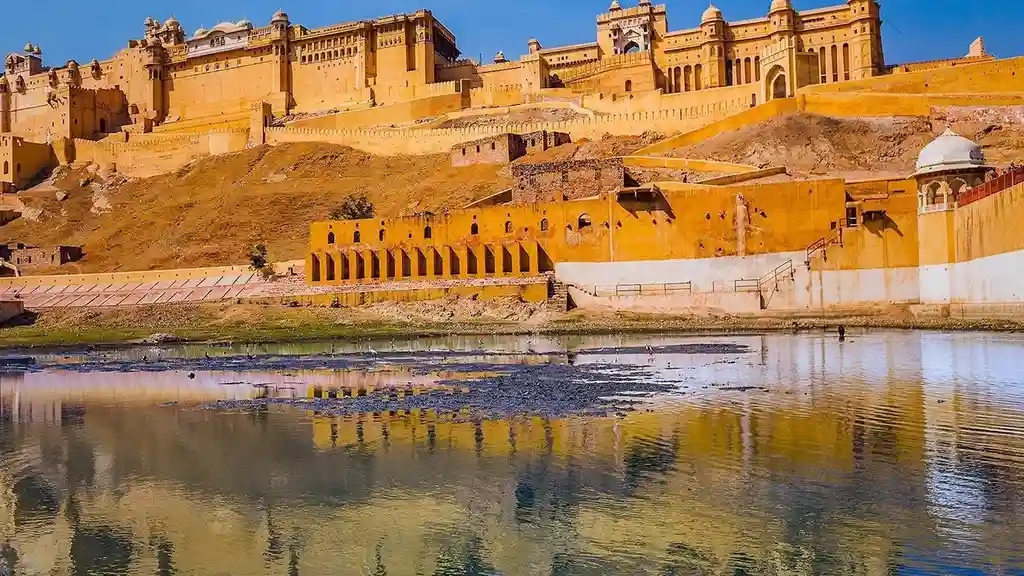
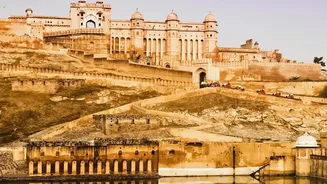
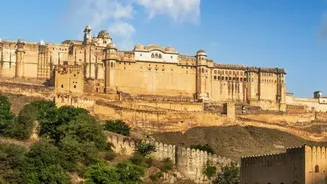
Perched on a
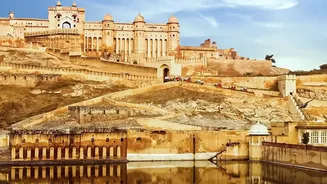
hilltop, the magnificent Amber Fort (also known as Amer Fort) is a quintessential Jaipur experience, made all the more enjoyable by the comfortable winter weather. The pleasant temperatures are perfect for exploring its vast courtyards, opulent palaces, and intricate halls without the exhaustion of summer heat. A highlight is the Sheesh Mahal, or Mirror Palace, where thousands of mirror mosaics glitter. The winter sun casts a soft, golden light on the fort's red sandstone and marble, creating stunning photo opportunities. Arriving early in the morning allows you to beat the crowds and enjoy the tranquil atmosphere as the day begins.
The Living City Palace
Located in the heart of the old city, the City Palace is a sprawling complex that continues to serve as the residence for Jaipur's royal family. It is a stunning blend of Rajput, Mughal, and European architectural styles. Winter is an excellent time to wander through its many courtyards, gardens, and museums, including the Mubarak Mahal, which houses a collection of royal textiles. The comfortable weather allows for a thorough exploration of the complex, which was founded by Maharaja Sawai Jai Singh II in the 1720s when he established Jaipur as his new capital.
Hawa Mahal’s Honeycomb Facade
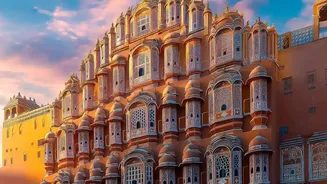
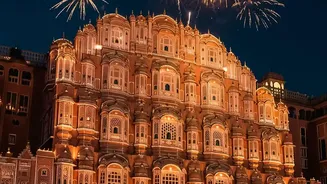
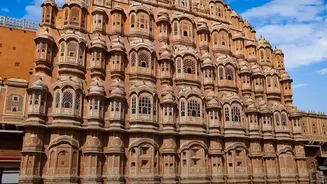
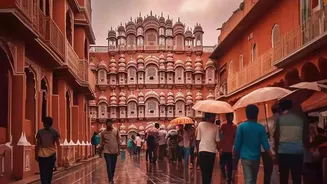
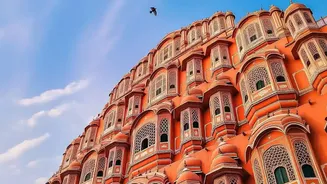
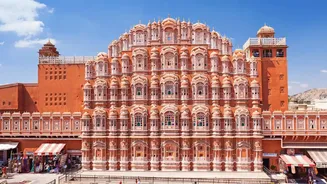
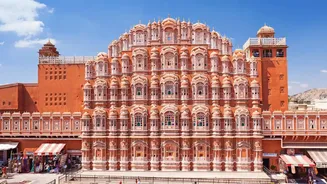
No trip to Jaipur is complete without seeing the Hawa Mahal, or 'Palace of Winds'. This iconic five-story pink sandstone facade features 953 small, latticed windows. Built in 1799, it was designed to allow the royal women to observe street festivities and daily life without being seen. The soft morning sunlight during winter is considered the best time to photograph the structure, as it illuminates the intricate facade with a warm glow. While the exterior is its most famous feature, the cool weather makes a quick exploration of its inner passages and ramps a pleasant experience.
Jantar Mantar’s Astronomical Wonders
Just a short walk from the City Palace is Jantar Mantar, a UNESCO World Heritage site and a testament to the scientific prowess of its builder, Maharaja Sawai Jai Singh II. This 18th century observatory is a collection of nineteen large scale astronomical instruments built from stone and brass. Exploring this open air facility is far more comfortable in winter's mild temperatures. The clear winter skies are ideal for understanding how these instruments, including the world's largest stone sundial, were used to track celestial bodies and predict astronomical events with remarkable accuracy.
A Quiet Escape to Royal Gaitor
For a change of pace from the city's bustling main attractions, a visit to the Royal Gaitor Tumbas offers a serene and reflective experience. This complex serves as the royal crematorium for the Kachwaha Rajput rulers and features a collection of intricately carved cenotaphs, or 'chhatris'. Nestled in a quiet valley at the foothills of Nahargarh Fort, this site is often missed by tourists, allowing for a peaceful visit. The marble and sandstone pavilions stand as memorials to Jaipur's maharajas, with the cenotaph for the city's founder, Jai Singh II, being particularly noteworthy.
Exploring the Walled City Bazaars
Jaipur’s vibrant bazaars, such as Johari Bazaar and Bapu Bazaar, are a sensory delight and are much more enjoyable to navigate in the cool winter weather. The pleasant temperatures make it easy to spend hours strolling through the lively market streets, which are famous for jewellery, textiles, handicrafts, and more. Winter evenings are particularly lively, offering a fantastic opportunity to shop for souvenirs, sample local street food specialities that are popular in the colder months, and soak in the city's dynamic culture without the draining heat of other seasons.