






The Great Travel Rethink
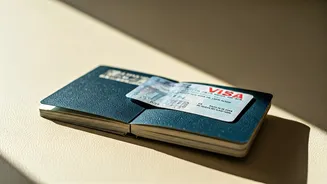
For years, a trip to Europe or the United States was the ultimate travel goal for many Indians. But a combination of factors is causing a significant shift in this mindset. Travellers are experiencing 'visa fatigue' from lengthy application processes,
a scarcity of appointment slots, and high rejection rates. In 2025, for instance, the Schengen visa rejection rate for Indian applicants was nearly 16%, with some countries like Slovenia rejecting almost half of the applications they received from India. This uncertainty, coupled with non-refundable visa fees, means thousands of rupees can be lost before a ticket is even booked. Add to this the rising cost of flights and accommodation in Western countries, and the dream trip quickly becomes a logistical and financial nightmare. As a result, a more pragmatic approach to travel has emerged, where the destination is chosen not just for its attractions, but for its accessibility.
The Allure of Arrival-Friendly Shores
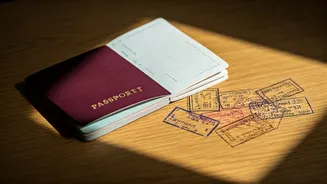
In response to this trend, countries offering visa-free entry, visa-on-arrival, or simple e-visa processes are rolling out the welcome mat, and Indian tourists are responding enthusiastically. Nations in Southeast Asia, in particular, have become the primary beneficiaries of this shift. Countries like Thailand, Malaysia, and Sri Lanka have recently either introduced or extended visa-free policies specifically for Indian citizens, leading to a direct surge in interest and bookings. The Indian passport has been steadily strengthening, now providing hassle-free access to over 55 countries. This newfound mobility allows for more spontaneous and budget-conscious travel, letting adventurers explore new cultures without the bureaucratic hurdles. The focus is no longer on just any stamp in the passport, but on a stamp that is easy and affordable to get.
Hotspots for the Smart Traveller
So, where are these visa-savvy travellers heading? Southeast Asia is the clear frontrunner. Thailand, a long-time favourite, now offers visa-free entry for up to 60 days, making it perfect for both short getaways and longer explorations. Its blend of stunning beaches, vibrant street food, and affordable living is a massive draw. Similarly, Malaysia has extended its 30-day visa-free stay for Indians, opening up destinations from the bustling city of Kuala Lumpur to the rainforests of Borneo. Vietnam has also become a hotspot, with its simple e-visa system, breathtaking landscapes like Ha Long Bay, and extremely low daily expenses. Neighbouring Sri Lanka offers a rich cultural experience just a short flight away, often with simplified entry rules. Beyond Asia, countries like Kenya (e-visa), Mauritius (visa-free), and Kazakhstan (visa-free) are also gaining traction as exciting and accessible alternatives.
More Than Just a Vacation
This shift towards visa-budget travel is more than a passing trend; it reflects the evolution of the Indian traveller. Today’s tourists are well-informed, digitally connected, and value experiences over status symbols. They are adept at finding value, whether that means travelling to a country where the rupee is stronger or choosing a destination with minimal entry barriers. This change in consumer behaviour is sending a clear message to global tourism boards: the Indian market is one of the fastest-growing in the world, and making travel easier is a powerful incentive. Countries that simplify their visa processes are more likely to capture a share of this booming outbound market. The modern Indian traveller is no longer just a tourist; they are a strategic consumer making calculated decisions to maximize their enjoyment and minimize their stress.