


First, A Reminder of Curd’s Power
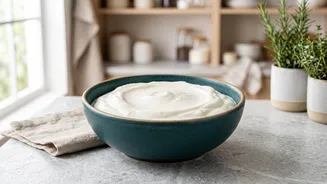
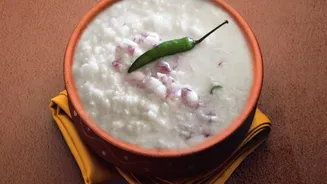
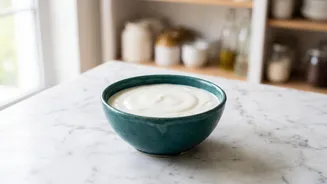
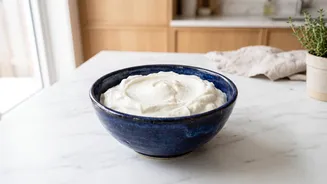
Before we tackle the myths, it's important to remember why curd, or dahi, is considered a superfood in the first place. It's a nutritional powerhouse packed with high-quality protein, calcium for bone health, and essential vitamins like B2 and B12. But
its real claim to fame lies in its probiotic content. These are live, beneficial bacteria that support a healthy gut, which is the cornerstone of good digestion and a strong immune system. Since a large part of our immunity is linked to our gut, a daily dose of curd can help keep you resilient against infections year-round.
Myth 1: Eating Curd Causes Colds and Coughs
This is the most common warning issued in Indian households every winter. The belief is that curd's 'cooling' nature can trigger respiratory illnesses. However, modern science says otherwise. Colds and coughs are caused by viruses, not by food. There is no clinical evidence to suggest that curd contains or causes these viruses. The confusion may arise because eating cold food straight from the refrigerator can sometimes irritate an already sensitive throat. While some people might feel that curd makes existing mucus feel thicker, it doesn't actually increase mucus production for most healthy individuals. In fact, some studies suggest that the probiotics in fermented dairy products may even help reduce the risk and duration of upper respiratory tract infections.
Myth 2: Curd Is a 'Cooling' Food
This myth is complex, as it sits at the crossroads of modern nutrition and Ayurveda. While we perceive curd as cooling because it often comes from the fridge, its effect on the body is different. According to some interpretations of Ayurveda, curd is actually considered 'ushna,' or warm in nature, and is said to be easier to digest in winter when our digestive fire (agni) is naturally stronger. From a nutritional science perspective, eating any food, including curd, requires digestion, a metabolic process that generates heat in the body. So, while it may feel cool in your mouth, it doesn't lower your overall body temperature.
Myth 3: You Must Avoid Curd at Night
The advice to avoid curd after sunset is also deeply ingrained. The Ayurvedic perspective suggests that consuming curd at night can aggravate the Kapha dosha, which is associated with mucus and heaviness, potentially leading to congestion. For individuals prone to asthma, sinus issues, or frequent colds, this advice might hold some relevance. However, for most healthy individuals, there is no scientific reason to avoid curd at night. Some nutritionists even point out that curd contains tryptophan, an amino acid that can help relax the body and mind, potentially aiding sleep. The key is moderation and listening to your own body's response.
The Right Way to Enjoy Curd in Winter
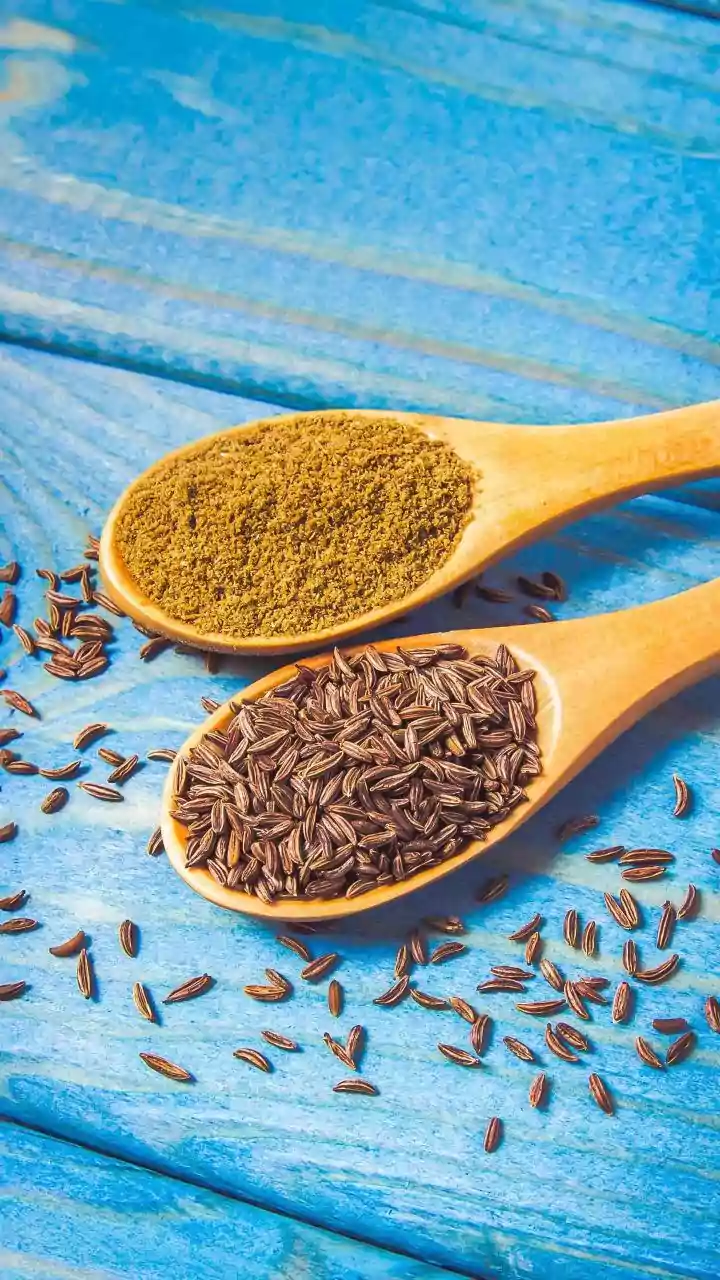
Debunking myths doesn't mean you should eat curd carelessly. Experts from both modern and traditional schools of thought agree on a few best practices for winter consumption. The most important tip is to avoid eating curd straight from the refrigerator. Let it come to room temperature first to prevent it from irritating your throat. It's also recommended to consume it during the daytime, preferably with your lunch, when your digestion is at its peak. To balance its properties, you can try adding a pinch of roasted cumin powder or black pepper, which are considered warming spices and can also aid digestion. Always opt for fresh, homemade curd and avoid any that has turned too sour.