






The Current Policy Landscape
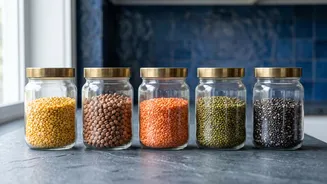
India, the world's largest producer, consumer, and importer of pulses, is navigating a complex policy environment to manage food inflation. The government has allowed duty-free imports of tur (pigeon peas) and urad (black gram) through March 31, 2027,
to bolster domestic supplies and keep prices in check. For other pulses, the situation is more varied. A 10% import duty is currently levied on red lentils (masur) and chickpeas (chana), while a steeper 30% tariff applies to yellow peas. However, due to concerns over a patchy monsoon and its potential impact on the harvest, there is active consideration to lower the duties on lentils and yellow peas to further ease price pressures.
The Primary Goal: Taming Food Inflation
The core objective behind these tariff adjustments is to control rising food prices, a major driver of overall inflation. With food inflation reaching 5.95% in August and demand for pulses typically increasing during the festive season, the government is using import policy as a tool to increase availability. By making it cheaper to import certain pulses, the government aims to prevent sharp price spikes in the retail market, providing relief to consumers. This strategy is part of a broader effort to manage food costs, which has also included adjustments to edible oil and sugar policies. The extension of duty-free imports for tur and urad until 2027 is designed to cap upside price risk and ensure a steady supply flow.
A Dilemma for India's Farmers
While lower import duties help consumers, they create a significant challenge for farmers. A steady flow of cheaper imported pulses can depress domestic wholesale prices, often pushing them below the government-mandated Minimum Support Price (MSP). This acts as a major disincentive for farmers when they make their planting decisions. If they anticipate that market prices will be low due to high levels of imports, they are less likely to sow pulses and may switch to other crops like wheat or mustard that offer better returns. This dynamic undermines the long-term goal of achieving self-sufficiency in pulse production.
The Chana Conundrum and Rabi Sowing
The upcoming Rabi planting season, which begins in October, highlights this tension perfectly. Chana, or chickpea, is a major Rabi pulse crop. The government is reportedly considering keeping the 10% import duty on chana to specifically encourage farmers to expand its cultivation. The government recently approved a modest 1.4% MSP hike for chana for the 2027-28 marketing season, which some analysts feel may not be enough to significantly boost farmer confidence. With an uneven monsoon raising concerns about soil moisture and a production target cut for the 2026-27 foodgrain output, farmers' decisions in the next few weeks will be crucial. If the price signals for pulses remain weak, acreage could shift, further increasing the country's import dependency in the future.
Balancing Short-Term Relief and Long-Term Goals
The government's policy on pulse imports is a delicate balancing act. On one hand, it must address the immediate need to control food inflation and ensure that this protein source remains affordable for millions. On the other, it must provide a policy environment that makes pulse cultivation profitable for farmers. In 2024-25, imports accounted for nearly a quarter of India's total pulse consumption, highlighting the existing production gap. Relying heavily on imports from countries like Canada, Australia, and Myanmar can create stability in the short term but may hinder the development of domestic agricultural resilience.