



The Sattvic Fasts of North India
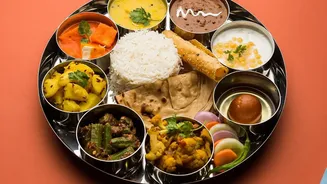
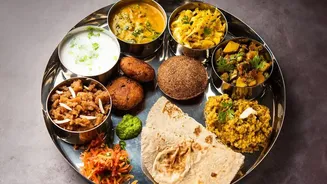
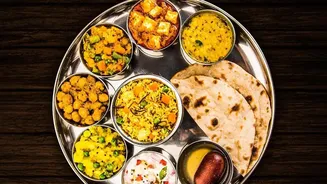
In North India, Navratri is a period of strict vegetarian fasting, where devotees abstain from grains, onions, and garlic. The emphasis is on 'sattvic' or pure foods that are light on the body and mind. The fasting thali here is a testament to culinary
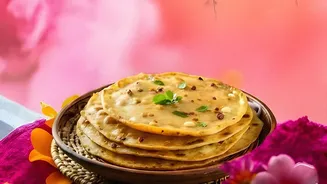
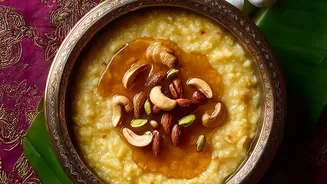
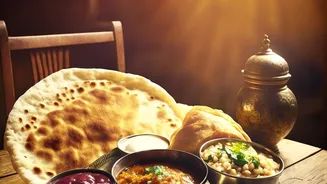
creativity within constraints. Staples include flours like Kuttu (buckwheat) and Singhara (water chestnut), used to make crispy puris and rotis. Potatoes are a key ingredient, often prepared as a simple, flavourful curry with tomatoes and rock salt (sendha namak). Sabudana (tapioca pearls) is another hero ingredient, transformed into creamy kheer or savoury khichdi. The goal is to consume foods that provide energy for the festivities without disturbing the spiritual discipline of the fast. A typical thali might feature Kuttu ki Puri, Aloo ki Sabzi, Samak (barnyard millet) rice, and a refreshing raita.
Gujarat’s Fasting Feasts and Garba Fuel
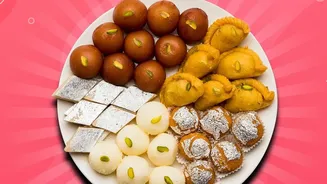
In Gujarat, Navratri is synonymous with the energetic Garba and Dandiya Raas. The food reflects the need for sustained energy. While fasting rules are followed, the cuisine is rich and varied. Sabudana khichdi, often prepared with a unique sweet and tangy flavour profile, is a staple. Special flours like Rajgira (amaranth) are used to make rotis and thalipeeth. Snacks like Khichu, a steamed dish made from rice flour (or other flours during fasts) seasoned with cumin and chillies, become popular. Sweets are also integral, with dishes like Gol Papdi, a fudge made from whole wheat flour and jaggery, providing a quick energy boost. The food is designed to be both delicious and compliant with fasting norms, keeping devotees energised for long nights of dance.
Maharashtra’s Hearty 'Upvas' Cuisine
In Maharashtra, Navratri fasting, or 'upvas', has its own distinct and hearty culinary traditions. Sabudana is the undisputed star, appearing in two iconic forms: Sabudana Khichdi and Sabudana Vada. The khichdi is a savoury mix of sago pearls, roasted peanuts, potatoes, and mild spices. The vadas are deep-fried, crispy patties made from a similar mixture, offering a delightful crunch on the outside and a soft, chewy interior. Other fasting staples include dishes made from Bhagar (barnyard millet) and Rajgira (amaranth) flour, often used to make a savoury pancake called Thalipeeth. These meals are not just about abstinence but are flavourful preparations that provide comfort and energy.
The Grand Feasts of West Bengal's Durga Puja
In West Bengal, Navratri coincides with the grand festival of Durga Puja, and the culinary approach is one of feasting rather than fasting. The highlight is the 'Bhog', a food offering made to the goddess, which is later distributed among devotees. This communal meal is typically vegetarian and cooked without onion or garlic. A classic bhog platter includes Bhoger Khichuri, a fragrant one-pot meal of rice and roasted moong dal, which is quite different from regular khichdi. This is accompanied by Labra, a mixed vegetable dish, Begun Bhaja (fried brinjal), chutney, and Payesh (a type of rice pudding). While the bhog is vegetarian, Bengalis often indulge in non-vegetarian delicacies like fish and mutton dishes outside of the pandal offerings during the festive days.
South India’s Celebration of Sundal
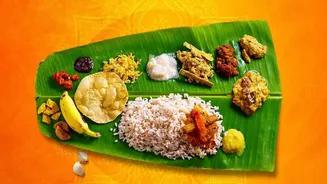
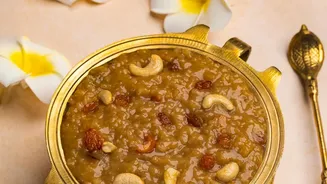
In South India, particularly Tamil Nadu, Navratri is celebrated with the display of 'Golu'—tiered arrangements of dolls. A key culinary tradition is the preparation of 'Sundal'. Sundal is a simple yet flavourful dish made from different legumes or pulses, prepared fresh each of the nine evenings. Varieties include chickpeas, black-eyed peas, peanuts, and moong dal. The soaked and cooked legumes are tempered with mustard seeds, curry leaves, and chillies, and garnished with grated coconut. Each day, a different type of sundal is offered as 'naivedyam' (offering to the deity) and then served to guests who come to see the Golu. Alongside sundal, sweet dishes like Payasam (kheer) and savoury items like Medu Vada are also prepared.