


The New Space Race Is a Team Sport
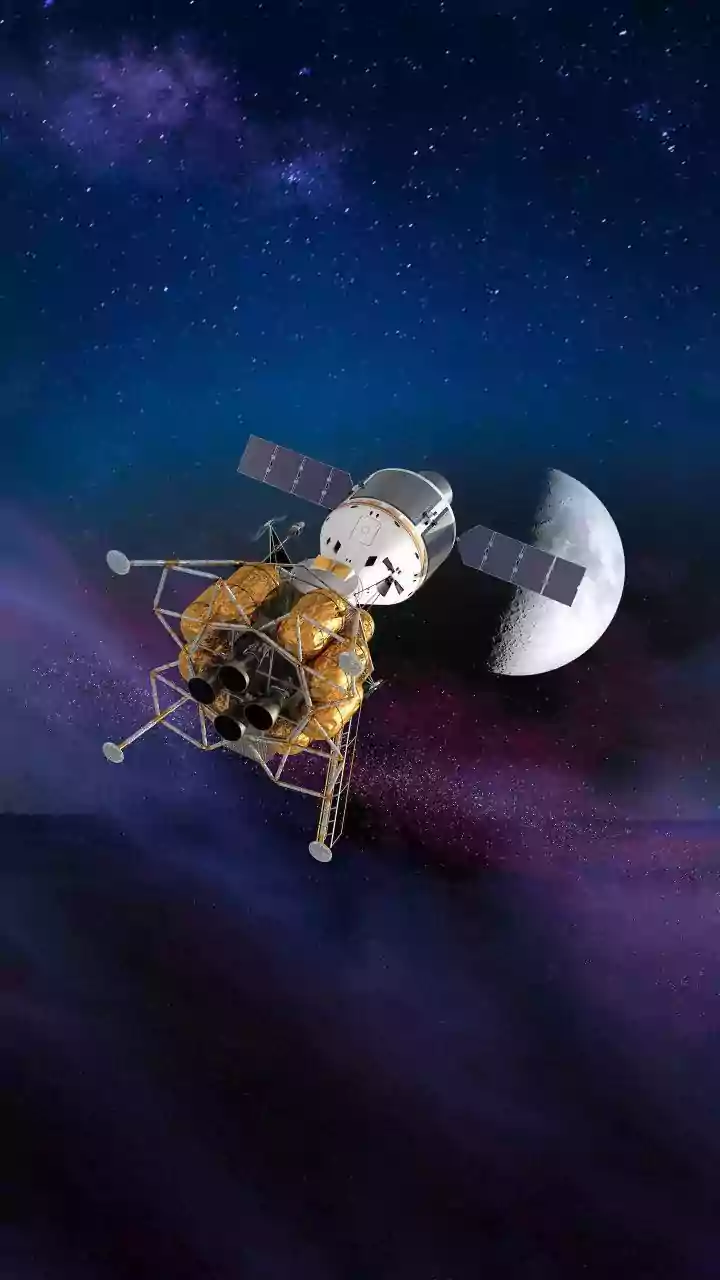
Forget the Cold War image of two superpowers racing to plant a flag. The modern era of space exploration, defined by NASA's Artemis program, is about building a sustainable, long-term human presence on the Moon—and eventually Mars. That goal is so immense
and expensive that international collaboration isn't just helpful; it's necessary. This philosophy is formalized in the Artemis Accords, a set of principles for peaceful and transparent space exploration. In 2023, India became a signatory, officially joining the coalition of nations committed to this shared vision. More recently, in August 2026, NASA formally invited ISRO to participate in its ambitious Moon Base program, signaling a major step up in the partnership. This isn't just a diplomatic handshake; it's a strategic acknowledgment that the path back to the lunar surface runs through a global network of partners.
What India Brings to the Lunar Table
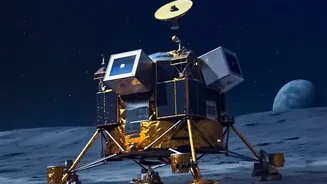
So why is NASA so keen on partnering with ISRO? The answer lies in a powerful combination of proven capability and cost-effective innovation. In August 2023, India made history when its Chandrayaan-3 mission successfully landed near the lunar south pole, a treacherous but resource-rich region that is also the target for NASA's Artemis landings. It was the first time any nation had achieved this feat. The mission, which cost only around $75 million, was a masterclass in what's often called frugal innovation. This ability to execute complex deep-space missions on a budget is incredibly attractive as NASA stares down the multi-billion dollar costs of its own lunar ambitions. Beyond just landing, Chandrayaan-3 delivered valuable scientific data on the lunar soil's thermal properties and the plasma environment, providing crucial ground-truth information for future missions. ISRO has demonstrated it can not only get to the Moon, but do meaningful science there.
More Than Just a Ride-Share
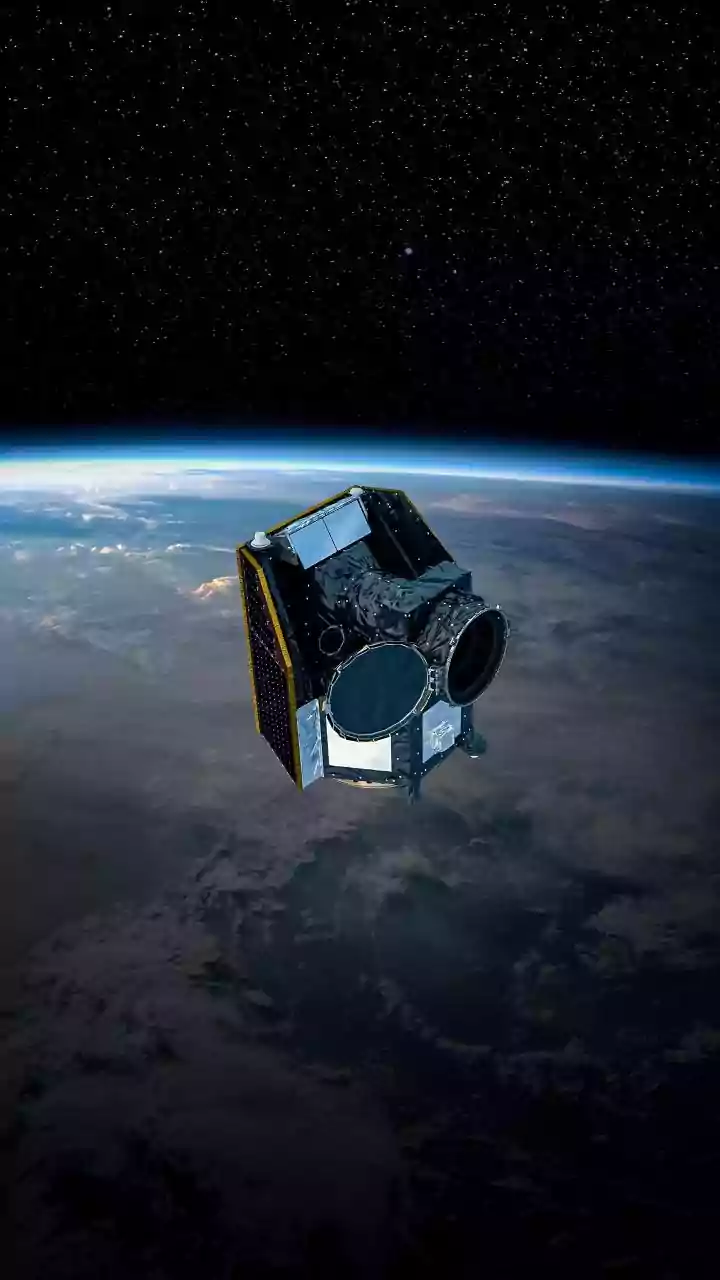
The foundation for this lunar collaboration has been built over years of successful partnership on other projects. A prime example is the NASA-ISRO Synthetic Aperture Radar (NISAR) satellite, which launched in July 2025. This joint Earth-observing mission, one of the most expensive of its kind, uses sophisticated radar technology from both agencies to monitor changes in our planet's surface, from ice sheets to earthquake zones. ISRO provided the satellite bus, the S-band radar, and the launch vehicle, while NASA contributed the L-band radar and other key components. This deep integration of hardware and shared operational responsibility created a blueprint for future, more complex collaborations. It proved that the two agencies could work together on highly technical projects, building the trust necessary to tackle something as monumental as a permanent Moon base.
The Geopolitical Edge
The partnership isn't just about science and budgets; it's also about geopolitics. Both the United States and India view China's rapidly advancing space program as a strategic challenge. China is pursuing its own lunar base plans through the International Lunar Research Station (ILRS) project, creating a competing bloc for space influence. By bringing India, a major regional power with independent space capabilities, into the Artemis fold, the U.S. strengthens a coalition of democratic nations committed to open and transparent exploration. For India, the partnership provides access to NASA's decades of experience and advanced technology, accelerating its own ambitions, which include a human spaceflight program (Gaganyaan) and a potential space station. It gives India a prominent seat at the table as the "rules of the road" for the lunar economy are written, ensuring its interests are represented in the final frontier.