


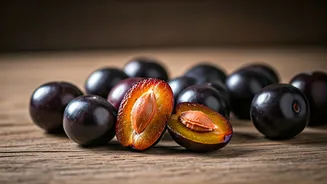


A Symphony in a Single Bite
To eat a jamun is to experience a complex journey of tastes. The first bite is sweet, but it quickly gives way to a tangy, almost sour middle note, before finishing with a distinctly astringent kick that makes your mouth pucker in the most delightful
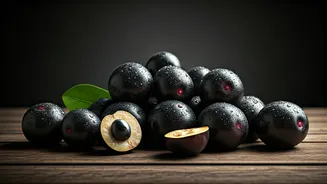
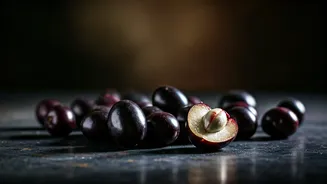
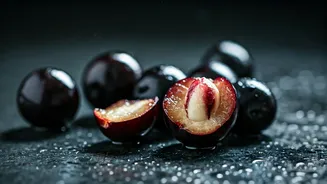
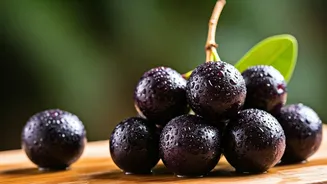
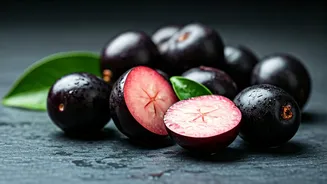
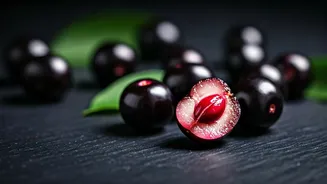
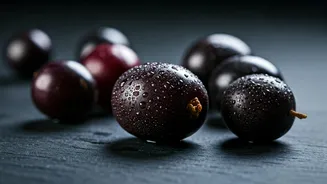
way. This unique flavour profile is what makes it so addictive. It’s not a simple, one-dimensional sweetness; it’s a conversation. And of course, no discussion of jamun is complete without mentioning the aftermath: the tell-tale purple stain on your tongue, a badge of honour proudly worn by children and adults alike. It’s a snack that engages all the senses, from its smooth, taut skin and dark, mysterious colour to the juicy explosion it creates.
The Flavour of Nostalgia
For many Indians, the love for jamun is deeply rooted in childhood memories. It’s the taste of school holidays, of afternoons spent with cousins trying to see who could get the darkest purple tongue. It’s the memory of buying a paper cone full of the fruit from a street vendor, who would expertly toss it with a pinch of black salt, elevating the flavour from simple to sublime. That simple act of shaking the fruit with salt in a *donne* or paper bag is a ritual in itself, a small piece of culinary theatre that turns a simple fruit into a cherished experience. This connection to simpler times makes jamun more than just a fruit; it’s a vessel for nostalgia, a taste of home that instantly transports you back to the carefree days of monsoons past.
A Seasonal Health Hero
Beyond its incredible taste and cultural significance, jamun is also a nutritional powerhouse, arriving just when our bodies need it most. The rainy season often brings a spike in digestive issues and a need for stronger immunity. Jamun, rich in Vitamin C and iron, is known to help boost the immune system and increase haemoglobin. It is also loaded with antioxidants that fight free radicals. For centuries in traditional Ayurvedic and Unani medicine, jamun has been valued for its various properties. The fruit, seeds, and even the bark are used. It’s particularly noted for its potential role in managing blood sugar levels, as compounds within it may help in the slow release of sugar into the bloodstream. This makes it a favoured fruit for many, though it’s always wise to consume it in moderation as part of a balanced diet.
More Ways to Enjoy Jamun
While eating them fresh with a sprinkle of rock salt is the classic way, the versatility of jamun is often underestimated. Its tartness makes it an excellent candidate for a variety of culinary experiments. You can de-seed and blend them into a vibrant, healthy smoothie or a refreshing juice. For a classic Indian cooler, the pulp can be used to make a *kala khatta* syrup, a sweet and sour concentrate that is the base for golas and sharbats. Some even make jamun compotes or sauces to serve with yoghurt or ice cream. A recent trend has seen jamun finding its way into artisanal salads, adding a surprising and delicious element. Exploring these options can give you a new appreciation for this seasonal gem.
Choosing the Perfect Batch
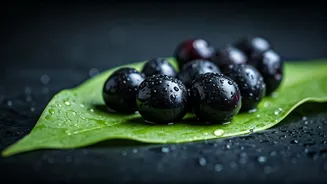
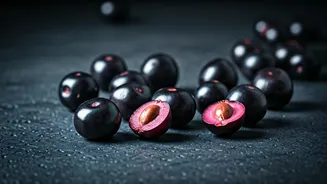
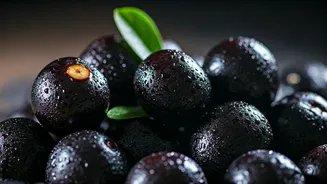
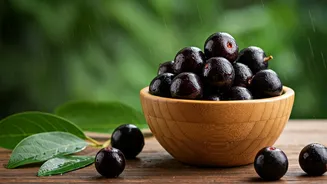
When you're at the market, look for jamuns that are plump, firm, and have a deep, uniform dark purple or almost black colour. Avoid fruits that are bruised, mushy, or have shrivelled skin. Lighter, reddish-purple ones are likely to be unripe and excessively sour. The ideal jamun should feel heavy for its size, indicating it’s full of juice. Once you bring them home, wash them thoroughly and store them in the refrigerator. They are best consumed within a day or two for maximum freshness and flavour. A good batch of jamun is a fleeting treasure, a gift from the monsoon that deserves to be savoured.