

The Modern Challenge to a Timeless Tradition
For generations, the hours between late afternoon and dinner have been reserved for unwinding with family over a hot cup of tea and an assortment of snacks. Whether it is the flaky crust of a samosa, the crunchy spiral of a chakli, or the hearty bite
of a mathri, these foods are deeply woven into India’s cultural fabric. However, many of these classic recipes rely on refined wheat flour (maida) and deep frying, ingredients that modern dietary science has linked to health concerns. This has left many food lovers in a difficult position: sacrifice the snacks they adore or compromise on their wellness goals. Fortunately, culinary innovation is providing a third option that honours both tradition and health.
Millets: The Ancestral Superfood's Big Comeback
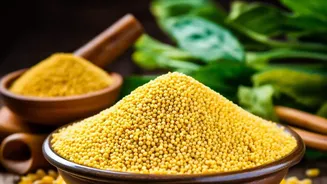
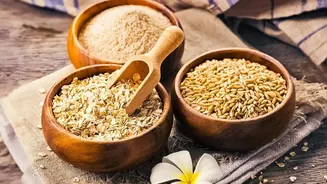
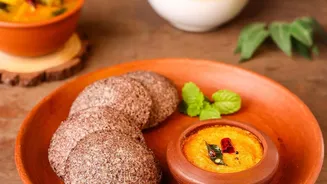
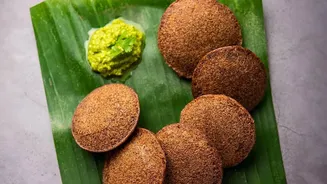
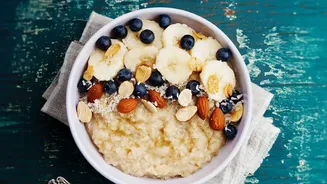
The solution lies in a group of ancient grains that were once staples across India: millets. Long overshadowed by wheat and rice, millets are being celebrated once again for their incredible nutritional profiles. Naturally gluten-free, millets are packed with protein, dietary fiber, vitamins, and essential minerals like iron, calcium, and magnesium. Grains like jowar (sorghum), bajra (pearl millet), and ragi (finger millet) have a lower glycemic index than refined grains, meaning they release energy more slowly and help maintain stable blood sugar levels. The United Nations' declaration of 2023 as the International Year of Millets only amplified what many in India are rediscovering: these grains are a powerhouse of nutrition.
The Secret to Flavour and Texture
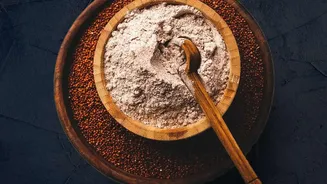
The primary concern when substituting traditional flours is the potential loss of taste and texture. This is where the innovation truly shines. The key is understanding that not all millets are the same. Each has a unique flavour and behaves differently in doughs and batters. Using them correctly is crucial for success. For example, since millet flours are gluten-free, they don't have the same elasticity as wheat flour. To create a pliable dough for snacks like mathri or samosas, chefs and home cooks are using techniques like adding boiling water to jowar or bajra flour, which helps the starches bind together. Another popular method is creating blends, combining different millet flours or mixing a percentage of millet flour with whole wheat flour to achieve the perfect balance of nutrition and structure.
Matching the Millet to the Snack
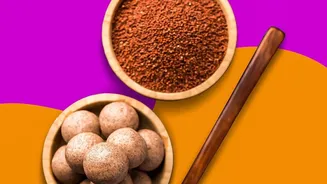
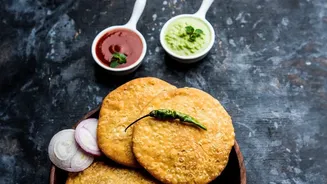
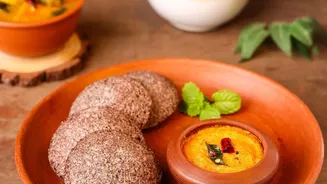
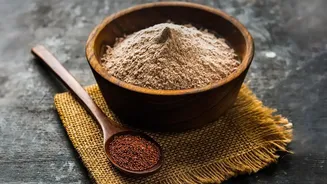
Successful millet snacks come from pairing the right flour with the right recipe. Jowar, with its neutral taste and light texture, is excellent for making the outer covering of empanadas or for mixing with besan to create softer pakoras. Bajra has a distinctively earthy, nutty flavour and dense texture, making it ideal for robust, flavourful mathris, especially when paired with fenugreek (methi). Ragi, known for its high calcium content, has a deep, slightly sweet taste and is fantastic for baked snacks like chakli or nutrient-dense cookies. By leveraging these unique properties, it is possible to create snacks that are not just healthy but also bursting with complex, delicious flavours that refined flour alone cannot provide.
Classic Snacks Reimagined for Today's Kitchen
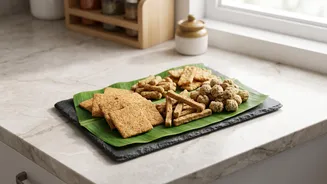
The possibilities for reinventing classic snacks are endless. Imagine a baked Ragi Chakli, which offers a satisfying crunch and rich flavour without the need for deep frying. Or consider Almond Millet Mathri, where a blend of flours including bajra creates a uniquely crumbly and savoury biscuit. Even cutlets can be transformed by using a base of ragi or other millet flours mixed with mashed potatoes and vegetables before being shallow-fried to crispy perfection. For those with a sweet tooth, millet flours can be used to create everything from cookies and crackers to traditional laddus made with jaggery, offering a healthier way to indulge.