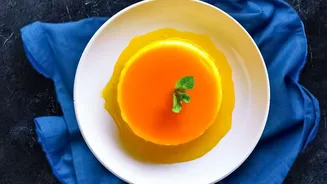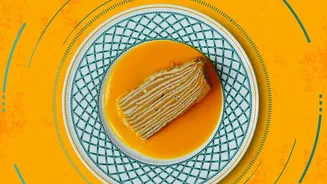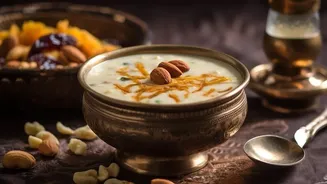


What Exactly Is Orange Pudding?
Orange pudding is a versatile dessert that celebrates the bright flavour of oranges. Unlike pre-packaged mixes, homemade orange pudding is a world of texture and taste. It can be a creamy, stovetop custard thickened with cornstarch and eggs, similar to a classic
chocolate or vanilla pudding but with a citrus twist. It can also be a sponge-like dessert, either baked until golden or gently steamed to create a moist, delicate cake that is often served with a warm orange sauce. Finally, there are no-bake versions which set in the fridge, often using gelatin or the natural setting properties of cream and citrus to create a silky, smooth treat perfect for warmer days.
The Core Ingredients
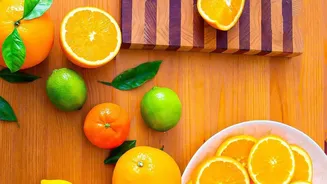
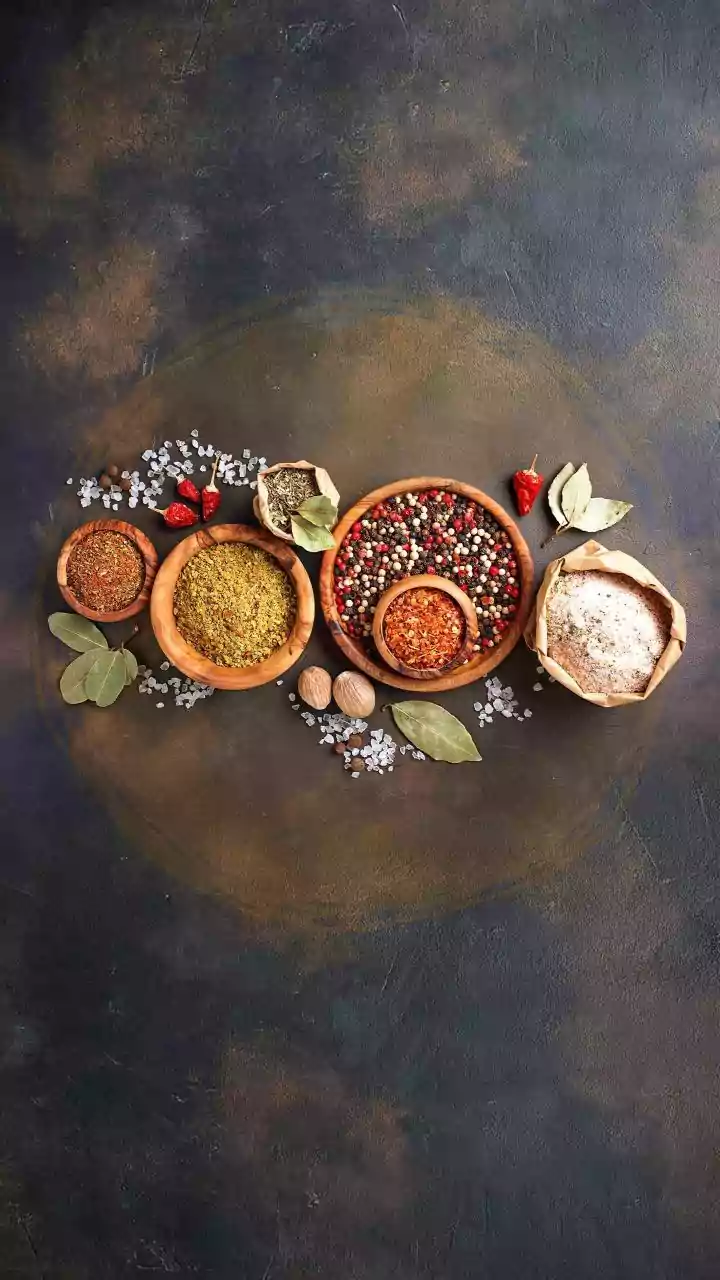
The beauty of orange pudding lies in its simple, accessible ingredients. At its heart, you'll need oranges—both for juice and zest. Freshly squeezed juice provides a superior flavour compared to bottled varieties. Sugar provides the sweetness, while eggs often contribute to the richness and creamy consistency. A thickening agent like cornstarch is common in stovetop puddings, while self-raising flour is the foundation for baked and steamed sponge versions. Finally, butter and milk or cream are often used to lend a silky, luxurious finish to the final dish.
Classic Baked Orange Pudding
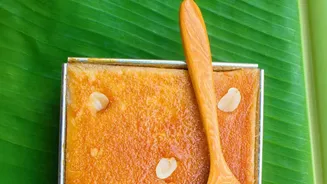
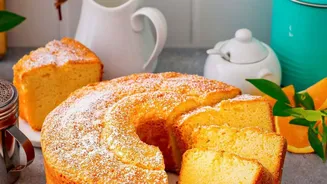
The baked version of orange pudding is a comforting classic that creates its own sauce as it cooks. Typically, a simple batter is made by creaming butter and sugar, beating in eggs, and then folding in flour and milk. This batter is then poured over a base of orange slices and a simple syrup in an ovenproof dish. As it bakes, the sponge becomes light and golden on top, while the bottom transforms into a delicious, tangy orange sauce. It's a magical, two-in-one dessert that requires minimal fuss. For a traditional approach, the batter is placed in a pudding basin, covered, and baked in a water bath for about an hour and a half, until a skewer comes out clean.
Elegant Steamed Orange Pudding
Steaming produces a pudding with an exceptionally light and moist texture. The process is similar to baking but relies on gentle, moist heat. A pudding basin is greased and often lined with orange slices and a drizzle of golden or maple syrup. A simple sponge batter—made with butter, sugar, eggs, and flour—is spooned on top. The basin is then tightly covered with baking paper and foil and placed on a saucer in a large pot. Boiling water is added to come halfway up the sides of the basin, and the pudding is left to simmer gently for about 90 minutes. The result is a beautifully tender pudding that soaks up the flavour from the orange slices below.
Simple No-Bake Orange Pudding
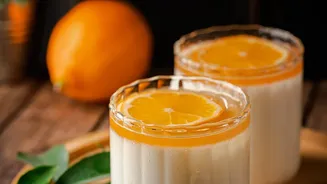
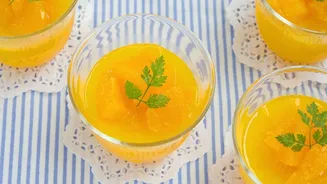
For a truly effortless dessert, the no-bake orange pudding is a winner. These recipes often come together in minutes on the stovetop before being left to chill. One popular method involves heating fresh orange juice with sugar and a thickener like cornstarch until it simmers and becomes translucent. Butter is stirred in at the end for a glossy finish, and the mixture is poured into glasses to set in the fridge. Another variation is the orange posset, a classic British dessert made with just cream, sugar, and orange juice. The cream is heated with sugar, then the orange juice is whisked in. The acidity of the orange naturally thickens the cream as it chills, creating a silky, intensely flavourful dessert with no eggs or gelatin required.
Tips for Pudding Perfection
A few simple tricks can elevate your orange pudding. First, don't skip the zest; it contains essential oils that provide a powerful orange aroma and flavour. When making a stovetop custard, it's crucial to temper the eggs by slowly whisking a small amount of the hot liquid into the beaten eggs before adding them back to the pan. This prevents the eggs from scrambling. For the smoothest possible texture, you can strain the pudding mixture through a fine-mesh sieve before chilling. Finally, when making a no-bake pudding, covering the surface with plastic wrap (touching the pudding) prevents a skin from forming as it cools.