


Embrace the Mighty Millet
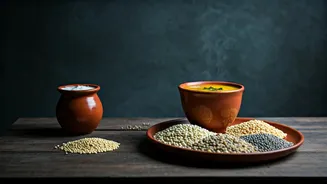
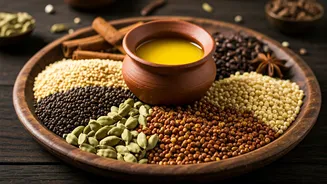
For generations, millets like jowar, bajra, and ragi were staples in Indian kitchens before polished rice and refined wheat took over. Now, they're making a huge comeback for two key reasons: they are incredibly nutritious and remarkably cheap. Packed
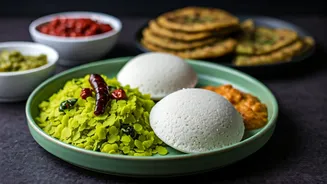
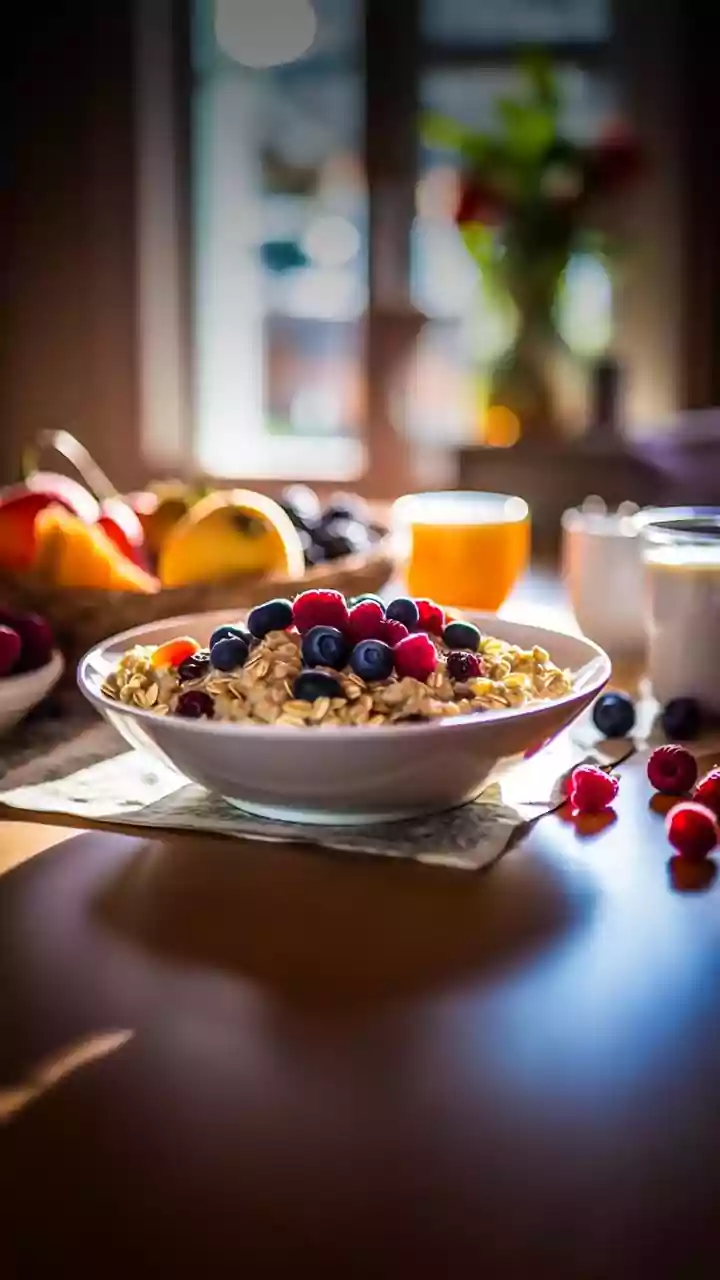
with fibre, protein, and essential minerals, millets keep you full for longer, aid in blood sugar control, and are naturally gluten-free. A kilo of ragi or jowar often costs significantly less than premium rice or atta. Start by swapping one meal a day—make jowar rotis instead of wheat, or substitute millet for rice in your khichdi or pulao. You can even make millet porridge for a powerhouse breakfast that costs just a few rupees per serving.
Master the Art of Sprouting
Sprouting is a simple, age-old technique that transforms humble legumes and lentils into nutritional superstars. When you sprout moong, matki, or kala chana, you unlock and multiply their vitamins and minerals, particularly Vitamin C, B vitamins, and protein. This process makes them easier to digest and enhances their nutritional profile at virtually no extra cost. All you need is a bowl, water, and a bit of patience. Soaked overnight and left to sprout for a day or two, these legumes can be used in salads, stir-fries, or light curries. A handful of sprouted moong can elevate a simple salad into a protein-packed meal for a fraction of the cost of paneer or chicken.
Shop Seasonally and Locally
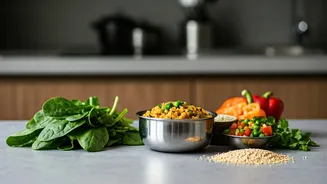
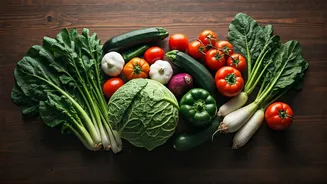
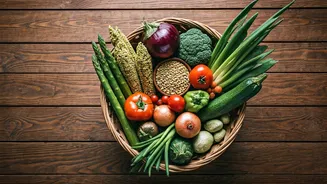
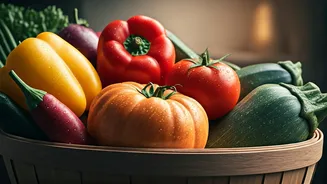
The secret to affordable produce isn’t a secret at all: buy what’s in season from your local sabziwala. When fruits and vegetables are in season, they are at their peak in both flavour and nutritional value, and their abundance drives prices down. Trying to buy strawberries in summer or mangoes in winter will always be an expensive affair. Instead, build your meals around seasonal heroes—leafy greens like palak and methi in the winter, gourds like lauki and tori in the summer, and root vegetables year-round. Shopping locally not only supports your community but also cuts out the long supply chain costs that add up at large supermarkets.
Make Lentils Your Best Friend
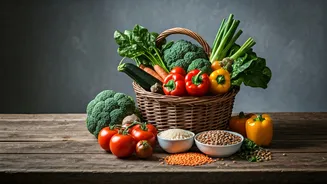
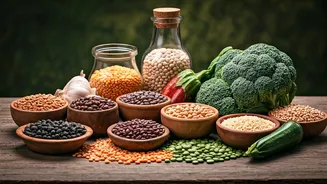
Dal is the backbone of Indian cuisine for a reason. Lentils and legumes are the undisputed kings of affordable protein. From toor and masoor to rajma and chana, the variety is endless, and they are all incredibly cost-effective sources of protein, fibre, and iron. Instead of making meat or paneer the centrepiece of every meal, let dals take the stage more often. A well-made dal tadka with rice is a complete, balanced, and deeply satisfying meal. Experiment with different types: make a simple masoor dal, a rich dal makhani (made healthier at home), or a hearty chana masala. They are versatile, filling, and one of the cheapest ways to meet your daily protein needs.
Waste Nothing, Want Nothing
A significant portion of our food budget is lost to waste. Adopting a root-to-stem cooking philosophy can save money and add surprising nutrients to your diet. Don't discard cauliflower or broccoli stems; chop them up and add them to your sabzi or soup. Use vegetable peels (from organic, well-washed veggies like carrots and potatoes) to make a flavourful homemade stock for soups and curries. Even the water used to boil pasta or vegetables is full of starches and nutrients and can be used as a base for gravies. This approach, born from our grandparents' resourcefulness, is more relevant than ever for a modern, healthy, and conscious kitchen.
DIY Your Kitchen Staples
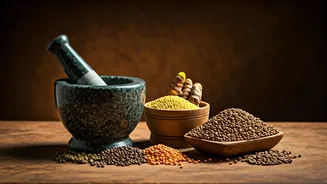
Convenience comes at a price. Packaged and processed foods are not only more expensive but often loaded with preservatives, sugar, and unhealthy fats. You can save a surprising amount of money by making some staples at home. For instance, making ghee from malai (cream) is far cheaper than buying it from a store. Homemade paneer is fresh, free of additives, and costs less than its packaged counterpart. Even grinding your own spice mixes or making ginger-garlic paste at home ensures purity and costs less in the long run. It takes a little extra time, but the benefits for both your health and your wallet are well worth the effort.