


Why More Fibre Matters
Before we dive into the 'how', let's quickly understand the 'why'. Dietary fibre is a type of carbohydrate that the body can't digest. It plays a critical role in maintaining our health. A high-fibre diet aids in regularising bowel movements and preventing
constipation. It also helps in managing blood sugar levels by slowing down the absorption of sugar, and can contribute to weight management by promoting a feeling of fullness, which helps control appetite. For a healthy gut, vibrant energy levels, and overall well-being, getting enough fibre is non-negotiable.
Upgrade Your Grains
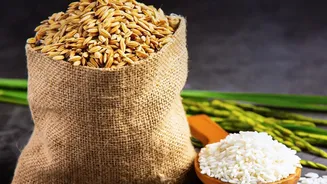
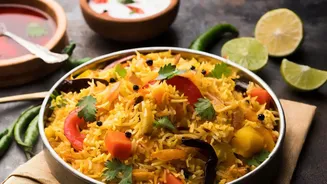
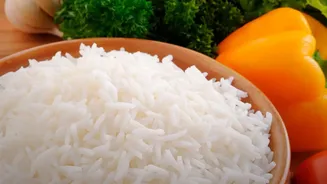
One of the simplest swaps you can make is with your daily grains. While white rice is a staple, it is low in fibre compared to its whole-grain counterparts. Consider replacing a portion of your white rice with brown rice. Better yet, embrace the power of millets. Traditional grains like jowar (sorghum), bajra (pearl millet), and ragi (finger millet) are fibre powerhouses. For instance, 100 grams of uncooked foxtail millet contains roughly 6.7 grams of fibre, more than double the amount in white rice. You can make rotis from millet flour, create millet-based khichdi or upma, or even use ragi flour for dosas and porridge. Using whole wheat or multigrain atta for your chapatis is another effortless upgrade.
Lean into Lentils and Legumes
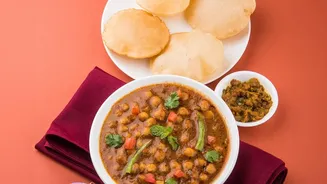
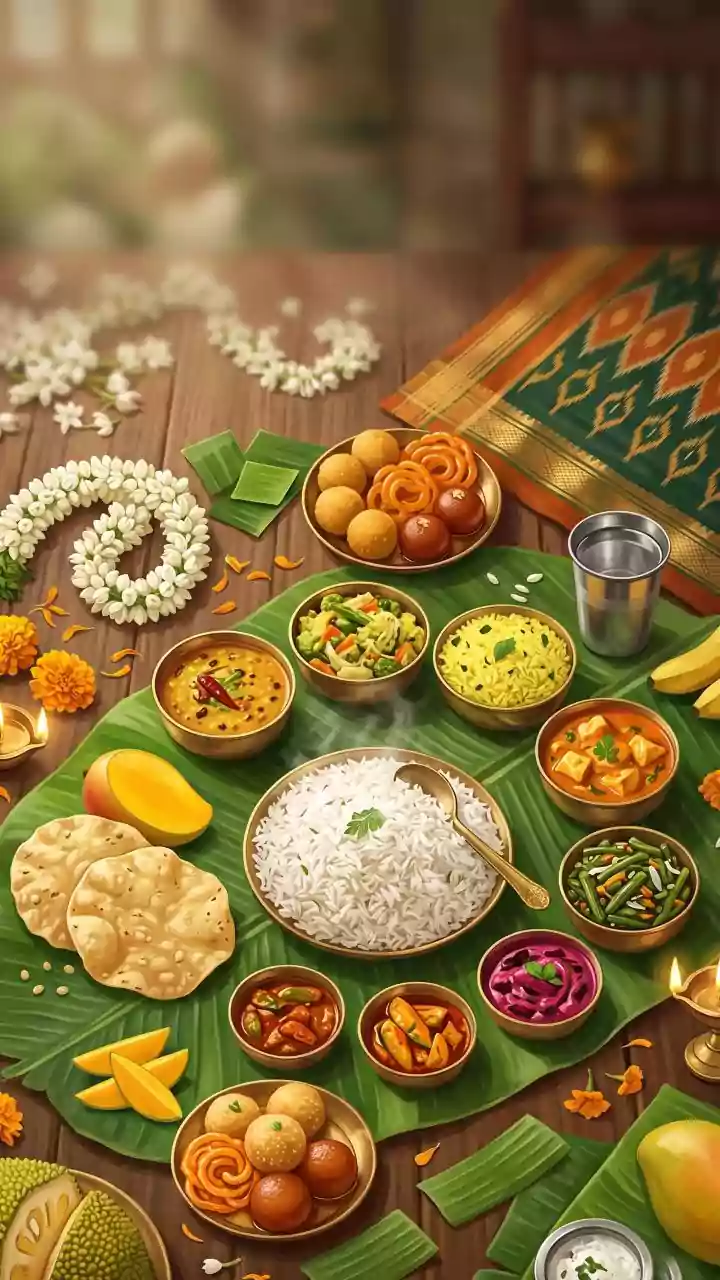
The Indian thali is already rich in dals and legumes, which are fantastic sources of fibre. Don't just stick to a simple dal tadka. Get creative by incorporating a wider variety of lentils and pulses into your diet. Rajma (kidney beans), chana (chickpeas), and various types of lentils are packed with both soluble and insoluble fibre. Try making a mixed dal with three or four different types of lentils. Add boiled chickpeas or kidney beans to your salads for a crunchy, fibrous topping. You can even blend cooked lentils into your soups or gravies to thicken them naturally while boosting their nutritional value.
Power Up with Vegetables
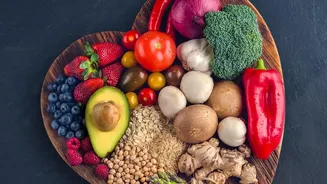
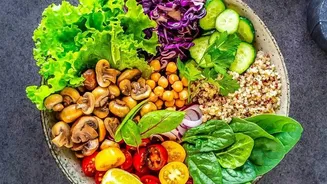
Your mother was right—you do need to eat your vegetables. They are one of the best sources of dietary fibre. Focus on including a colourful variety in your meals. Leafy greens like spinach and fenugreek (methi), cruciferous vegetables like cabbage and cauliflower, and gourds are all excellent choices. A simple trick is to 'hide' them in your food. Grate carrots, bottle gourd (lauki), or zucchini and add them to the dough for your parathas or chapatis. Finely chop vegetables and mix them into your dosa batter or omelettes. Aim to have at least two different vegetables with your lunch and dinner to ensure you are getting a diverse range of nutrients and fibre.
Snack Smart with Fruits and Seeds
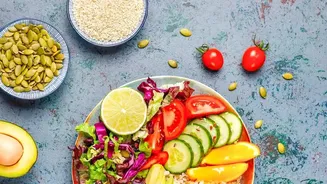
Snacking is often where healthy habits go astray. Instead of reaching for processed snacks, opt for whole fruits. Guavas, apples, pears (with the skin on), and oranges are not only delicious but also loaded with fibre. Another incredibly easy way to add a fibre punch is through seeds. Just a tablespoon of chia seeds or ground flaxseeds (alsi) can be stirred into your morning curd, smoothie, or a glass of water. They are virtually tasteless but provide a significant fibre boost along with healthy omega-3 fatty acids. A small handful of almonds also makes for a great, fibre-rich snack.
A Traditional Fibre Boost
For a concentrated and traditionally trusted source of fibre, look no further than psyllium husk, commonly known as Isabgol. Derived from the seeds of the Plantago ovata plant, it is a potent source of soluble fibre. Taking a spoonful of Isabgol mixed in a glass of water or buttermilk before bed is a long-standing home remedy for promoting digestive regularity. It absorbs water in the gut, helping to form bulkier stools that are easier to pass. It is a simple, effective, and familiar way to supplement your fibre intake when you feel you need an extra boost.