







Okra (Bhindi)
One of the most reliable and easy-to-grow vegetables during the rainy season is Okra, or Bhindi. This plant loves the warm and moist conditions that the monsoon provides. For best results, soak the seeds overnight before planting to speed up germination.
Plant them in a sunny spot with well-drained soil, as they do not like waterlogged roots. In about two months, you can expect your first harvest of fresh, tender bhindi, perfect for adding to your curries and stir-fries. Its resilience makes it a great choice for beginner gardeners.
Hibiscus
Hibiscus is a classic monsoon-loving plant, producing large, vibrant flowers that bring a tropical feel to any garden. The increased humidity and cooler temperatures encourage the plant to produce more blooms in shades of red, pink, yellow, and white. This hardy plant thrives in moist, well-drained soil and requires regular sunlight to flourish. While it loves moisture, ensure the pot has good drainage to prevent root rot. Its flowers are not only beautiful but are also used in herbal teas and traditional remedies.
The Gourd Family
Gourds are the undisputed champions of monsoon gardening. Varieties like bottle gourd (lauki), bitter gourd (karela), and ridge gourd (turai) grow vigorously during this season. These climbing vines love the rain and humidity but require a sturdy trellis or support structure. This keeps the developing fruit off the wet ground, preventing rot and ensuring a healthy harvest. Plant the seeds directly in large pots with a porous soil mix and place them where they can receive several hours of sunlight. They are highly productive and a staple in many Indian kitchens.
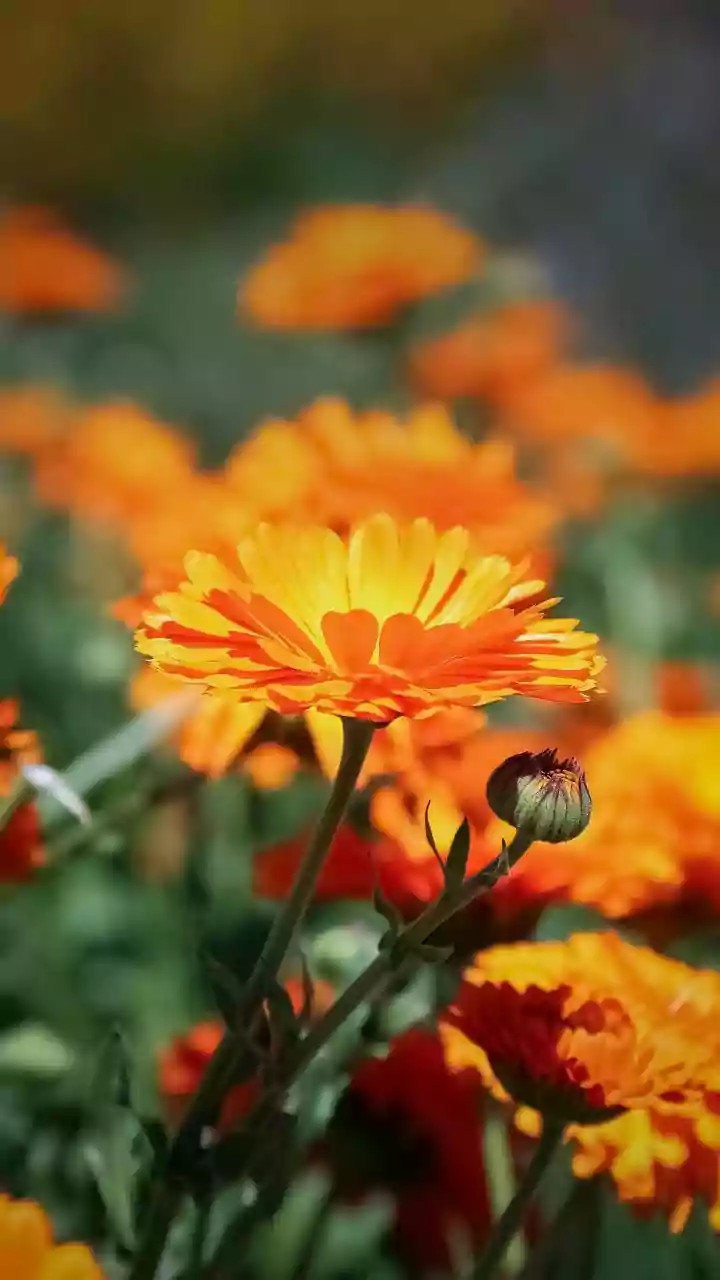
Marigold (Genda)
For a cheerful splash of colour, marigolds are an excellent choice. These adaptable flowers in bright shades of yellow and orange can brighten up even the cloudiest monsoon day. They are relatively easy to grow from seed and are known for their ability to tolerate seasonal changes. Importantly, marigolds are natural pest repellents, helping to protect other plants in your garden. While they bloom actively in moderately rainy conditions, it's crucial to ensure they are planted in well-draining soil to avoid waterlogging, which can harm the plant.
Jasmine (Mogra)
Known for its intensely fragrant white flowers, Jasmine, or Mogra, thrives in the warm and humid climate of the monsoon. The rains often trigger abundant blooming, filling your garden or balcony with a sweet, calming aroma. Jasmine can be grown in pots or directly in the ground and does well in spots with partial to full sunlight. The moisture in the air during this season is exactly what the plant needs to flourish. It is an easy plant to grow, and you can even propagate it from cuttings.
Rain Lily
As its name suggests, the Rain Lily is a plant that truly comes to life during the monsoon. These small, bulb-based plants produce beautiful, delicate flowers in shades of pink, white, and yellow, often blooming just after a heavy shower. They are incredibly low-maintenance and perfect for small spaces or container gardening. You can plant the bulbs just before the season starts, and they will surprise you with their charming flowers throughout the rainy months, adding a touch of magic to your garden.
Leafy Greens
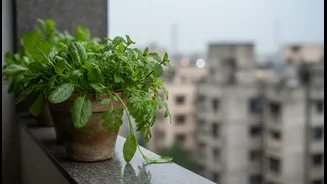
The monsoon is also a fantastic time to grow a variety of leafy greens like spinach (palak) and amaranth (chaulai). These plants flourish in the moist conditions and moderate temperatures, leading to rapid growth. You can grow them in wide, shallow trays or grow bags with a simple mix of soil and compost. They don't require intense sunlight and can be harvested multiple times by simply trimming the outer leaves, providing a continuous supply of fresh greens for your meals.