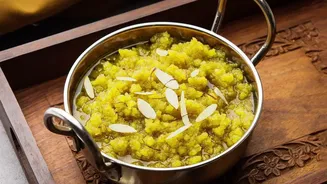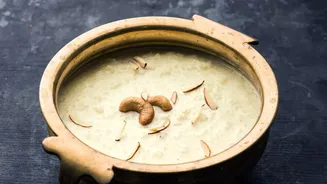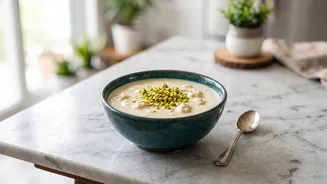

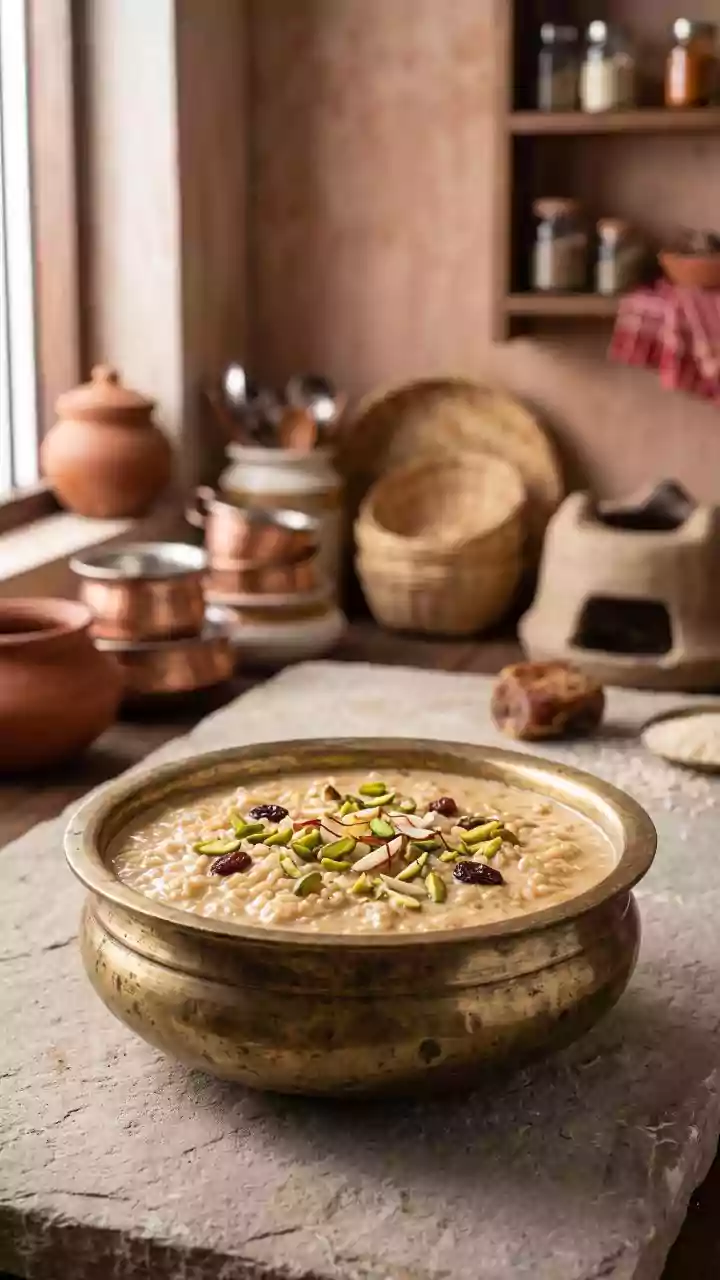

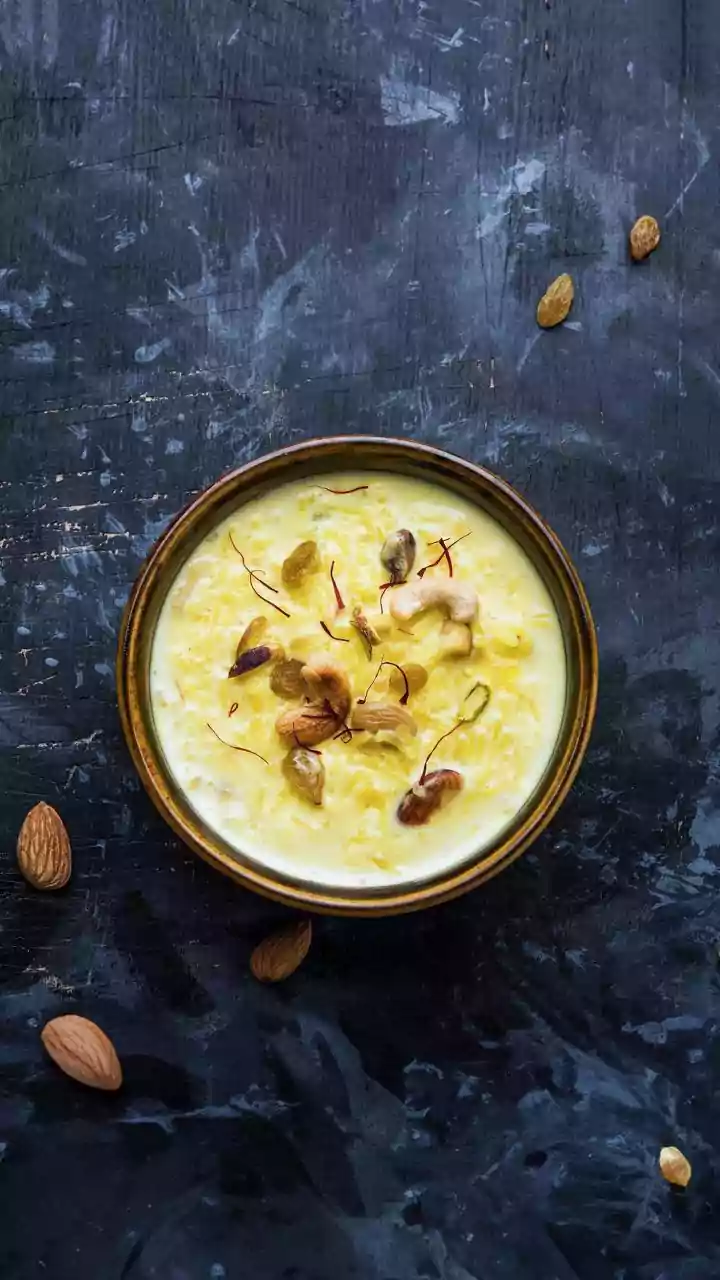

When Indian desserts are mentioned, phirni is a name that evokes comfort and tradition. But infuse this classic with the seasonal magic of custard apple, or sitaphal, and you get a dessert that is truly special: Sitaphal Phirni.
The Enduring Charm of Phirni
At its heart, phirni is
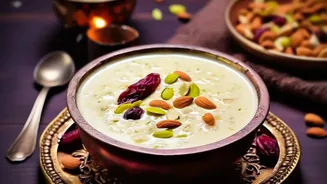
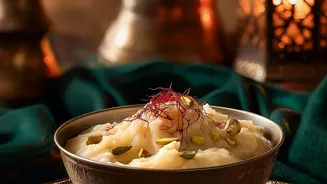
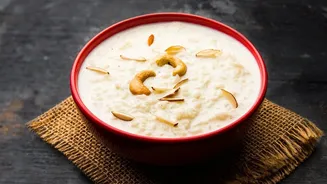
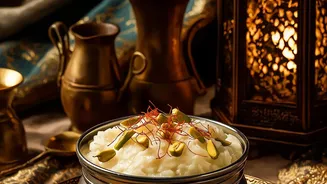
a timeless North Indian pudding celebrated for its simplicity and elegance. Unlike its cousin, kheer, which uses whole rice grains, phirni is made with finely ground rice. This is cooked slowly in milk until it thickens into a velvety, smooth consistency. Traditionally flavoured with cardamom and saffron, phirni traces its lineage to Persian and Mughal kitchens, where it was perfected as a courtly dessert. Its signature presentation involves being served chilled in small, unglazed earthen bowls called 'shikoras', which help cool the pudding and impart a subtle, earthy aroma.
The Star Ingredient: Sitaphal
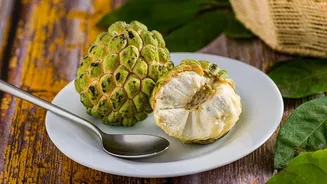
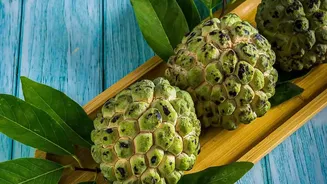
What elevates a simple phirni into a delicacy is the addition of sitaphal, or custard apple. This unique tropical fruit, with its knobby green skin and sweet, creamy white flesh, is a seasonal treat in India, typically available between the monsoon and winter months. Its flavour is a fragrant blend of pear, banana, and pineapple, with a texture that is both soft and slightly granular. While delicious on its own, the fruit’s numerous seeds can make it a hassle to eat. However, when the sweet pulp is separated from the seeds and folded into a chilled phirni, it creates a dessert that is both refreshing and luxuriously textured.
Crafting the Perfect Pudding
Making Sitaphal Phirni is a process of patience. It begins with soaking and grinding a small amount of rice into a fine, slightly coarse paste. This paste is then whisked into simmering full-fat milk, requiring constant stirring to prevent lumps and ensure a creamy texture. Once the rice is cooked and the milk has thickened considerably, sugar is dissolved into the mixture. The key is to let this base cool down before incorporating the star ingredient. Adding the sitaphal pulp to a hot mixture can alter its delicate flavour. Once the pulp is gently folded in, along with a touch of cardamom, the phirni is ready for chilling.
Tips for a Flawless Finish
The most tedious part of preparing this dessert is de-seeding the custard apple. A popular and effective method is to scoop the pulp and seeds into a strainer set over a bowl and use a spatula or spoon to press the flesh through, leaving the seeds behind. Others suggest a quick pulse in a food chopper can separate the seeds from the pulp with minimal effort. When cooking the phirni, use a heavy-bottomed pan to prevent the milk from scorching. The final consistency should be thick enough to coat a spoon but still pourable, as it will thicken further upon cooling. For the best flavour, allow the phirni to chill in the refrigerator for at least a few hours before serving, garnished with slivered pistachios or almonds.
The Ultimate Guest-Friendly Dessert
Sitaphal Phirni is an ideal dessert for hosting for several reasons. First, it can be made a day in advance, freeing up your time on the day of the gathering. Second, it is served chilled, making it a wonderfully refreshing conclusion to a rich or spicy Indian meal. Its elegant, creamy white appearance in individual bowls is visually appealing and feels sophisticated. Finally, it offers a flavour that is both familiar and unique—a celebration of a beloved seasonal fruit within a traditional format. It’s a dessert that speaks of care, thoughtfulness, and the joy of sharing the best of the season.