





The Rulebook: Your DGCA Rights in Brief
India's air passenger rights are primarily laid out in a set of rules from the Directorate General of Civil Aviation (DGCA). These Civil Aviation Requirements (CARs) are not mere suggestions; they are binding regulations that airlines must follow. They
cover the three most common disruptions: flight cancellations, significant delays, and being denied boarding, often due to overbooking. The Ministry of Civil Aviation also publishes a simplified Passenger Charter based on these rules. The goal is to ensure airlines provide compensation, amenities like meals, and alternative travel options when they fail to deliver the service you paid for.
When Your Flight is Cancelled
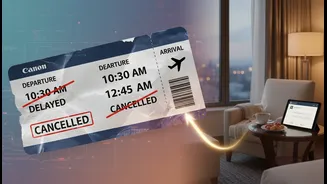
Your rights for a cancelled flight depend entirely on when the airline informs you. If the airline cancels without giving you at least two weeks' notice, they must offer you the choice of an alternate flight or a full refund. If they inform you less than 24 hours before departure, or if you're already at the airport, you are entitled to compensation on top of the refund or rebooking. This compensation can range from ₹5,000 to ₹10,000, depending on the flight's block time. The airline is also obligated to provide meals and refreshments while you wait for your new arrangements.
The Murky Waters of Flight Delays
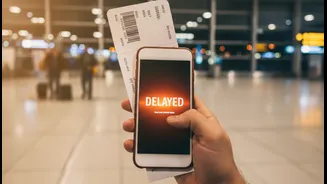
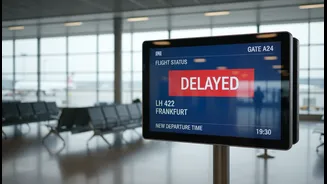
This is where things get complicated for passengers. For delays, your rights are about care, not cash. Airlines are not required to provide monetary compensation for a delayed flight in India. However, they do have a 'duty of care'. For delays over two hours, they must provide free meals and refreshments. If a domestic flight is delayed by more than six hours, passengers have the right to a full refund if they choose not to travel. For overnight delays, the airline is supposed to provide hotel accommodation and transport.
The 'Extraordinary Circumstances' Loophole
The single biggest reason passengers don't receive cash compensation is the 'extraordinary circumstances' clause. Airlines are exempt from paying compensation if the disruption is caused by factors beyond their control. This includes bad weather, air traffic control restrictions, security risks, and political instability. While this is reasonable for events like cyclones or major fog, airlines sometimes cite vague 'technical reasons' or 'operational issues'. Routine technical problems are generally not considered extraordinary circumstances, but proving this can be difficult for a passenger. It is important to note that even in these situations, the airline's 'duty of care' to provide meals and accommodation still applies.
Denied Boarding: Your Strongest Claim
Your rights are clearest when you are involuntarily denied boarding on an overbooked flight. DGCA rules are very specific: the airline must first ask for volunteers to give up their seats in exchange for benefits. If not enough volunteers come forward, passengers who are bumped off are entitled to significant compensation. This can be up to 400% of the one-way base fare plus fuel charge, capped at ₹20,000, in addition to a full refund or an alternate flight. This is one of the strongest protections available to Indian flyers.
How to Actually Claim Your Dues
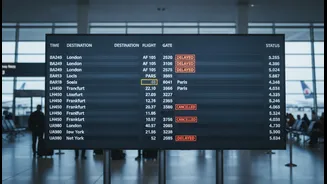
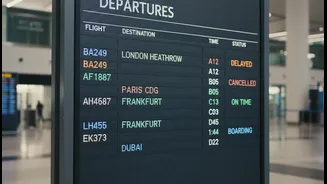
Knowing your rights is only half the battle. To improve your chances of a successful claim, be prepared. First, document everything: take photos of the departure board, keep your boarding pass, and save all emails or messages from the airline. When a disruption occurs, immediately contact airline staff at the airport. If they are unhelpful, the next step is to file a formal written complaint with the airline's customer service. If you're still not satisfied with the resolution, escalate the issue through the government's AirSewa portal or mobile app. This system tracks your complaint and directs it to the concerned airline for a time-bound response.