




The Symphony in a Bowl
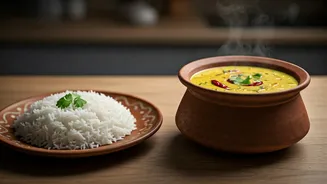
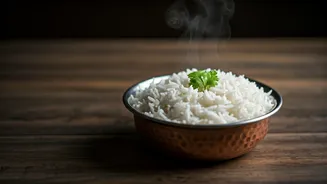
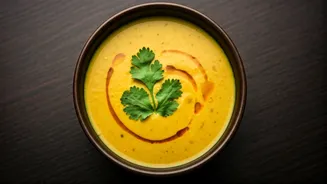
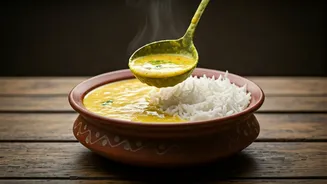
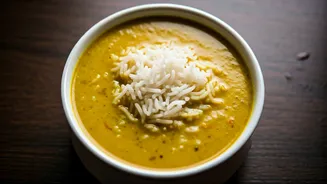
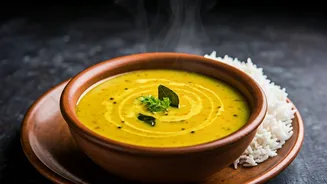
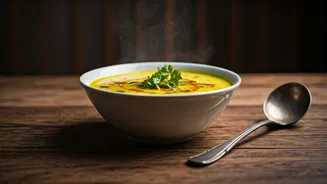
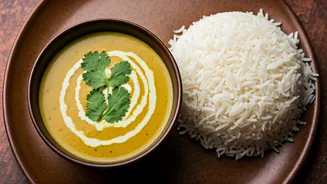
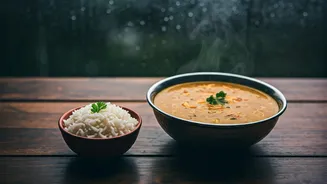
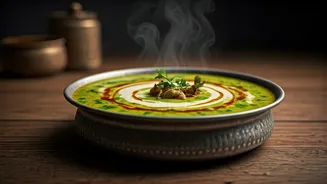
At its core, Kadhi Chawal is deceptively simple. It consists of two main components: a vibrant, yellow gravy (kadhi) made from sour yogurt or buttermilk and chickpea flour (besan), served over a bed of fluffy steamed rice (chawal). Yet, to call it simple is to miss
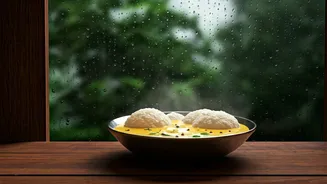
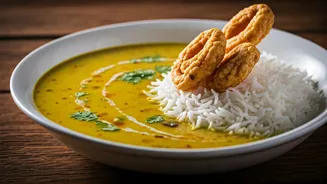
the magic. The genius lies in the balance of flavours and textures. The kadhi itself is a delicate dance between tangy, savoury, and sometimes subtly sweet notes, thickened to a silken, soupy consistency that beautifully coats each grain of rice. The experience is a sensory delight. The earthy aroma of turmeric and asafoetida (hing), the gentle heat from green chillies, the fresh burst of coriander—it all comes together in a harmonious blend. Often, this creamy curry is studded with soft, spongy pakoras (fritters made from gram flour and onions), which soak up the gravy and provide a delightful textural contrast. Each spoonful is a perfect combination of soft rice, creamy kadhi, and a flavour-soaked fritter, a simple yet profound pleasure.
A Hug From Home
More than its taste, the power of Kadhi Chawal lies in its profound connection to memory and home. For countless Indians, the smell of kadhi simmering on the stove is the smell of childhood. It’s the definitive 'Maa ke haath ka khaana' (food made by mother's hands), a dish prepared with love on lazy Sunday afternoons or as a soothing remedy for a cold. It represents a feeling of being cared for, of safety and unconditional love. This isn’t a dish you typically find on a fancy restaurant menu; its natural habitat is the home kitchen. That association makes it an instant emotional reset button. In a world of complex fusion cuisines and fast food, the unpretentious honesty of Kadhi Chawal serves as a comforting reminder of our roots, a taste of a time when a simple, wholesome meal was the highlight of the day.
A Tale of Many States
While the feeling it evokes is universal, Kadhi Chawal is not a monolith. It wears different hats as it travels across the diverse culinary landscape of India, with each region adding its own signature touch. The Punjabi Kadhi is perhaps the most famous—thick, tangy, and generously filled with soft onion pakoras, it's a hearty, robust dish. Head west to Gujarat, and you'll find a completely different interpretation. The Gujarati Kadhi is thinner, white or pale yellow, and distinctly sweet and tangy, often made without any pakoras and tempered with cinnamon and cloves. In Rajasthan, the kadhi is spicier and quicker to make, sometimes omitting besan dumplings in favour of a simple, sharp gravy to be paired with bajra rotis or rice. The Maharashtrian version, known as 'Takachi Kadhi,' is a light, buttermilk-based curry, while Sindhi Kadhi is loaded with vegetables like drumsticks, cluster beans, and potatoes. This incredible diversity doesn't dilute its identity; it strengthens it, showing how a simple concept can be lovingly adapted into countless local forms, each a source of comfort for its people.
The Soul of Simplicity
So, what makes it the ultimate comfort food? Psychologically, warm, soft, and carbohydrate-rich foods are known to have a soothing effect. The combination of yogurt's gut-friendly properties and the easily digestible nature of rice makes Kadhi Chawal feel nourishing and light, yet deeply satisfying. But its true power is not scientific. It’s cultural. It represents a philosophy of finding joy in simplicity. It requires no exotic ingredients, no complex techniques. It’s a testament to the fact that the most memorable meals are not always the most elaborate, but those that are cooked with care and imbued with the warmth of home. It’s a meal that asks nothing of you but to sit down, relax, and be comforted.