


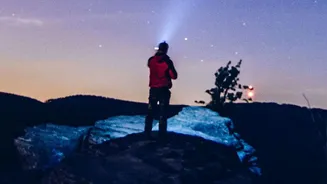

A Celestial Paradise in the Cold Desert
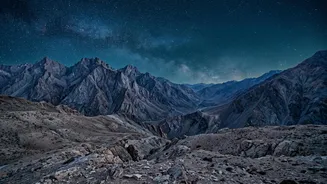
Spiti Valley, a high-altitude cold desert in Himachal Pradesh, offers some of the clearest and darkest night skies in India. Its remote location, minimal light pollution, and crisp, dry air create a natural observatory perfect for stargazing. Travellers
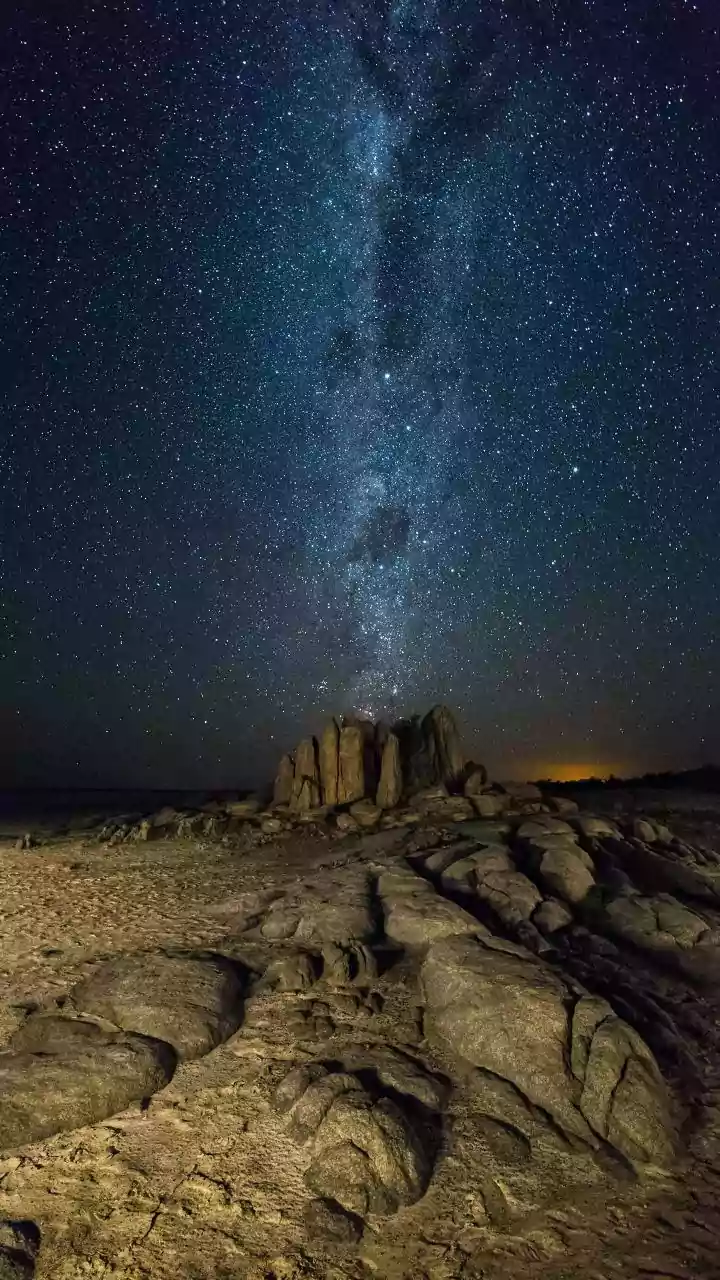
flock here to witness the Milky Way galaxy arching across the sky, an experience that feels both profound and otherworldly. Astro-tourism is a growing trend, with guided tours and even a government-supported stargazing facility in Kaza making the cosmos more accessible. However, the very things that make Spiti ideal for astronomy—its isolation and stillness—are also what make its communities uniquely vulnerable to the impacts of tourism.
The Cultural Meaning of Night-time Stillness
In the remote villages of Spiti, life is deeply intertwined with the rhythms of nature and a rich Tibetan Buddhist culture. Here, silence after dark is not merely about courtesy; it's a cultural and spiritual norm. Traditional beliefs in many Himalayan regions hold that the night is a sacred and liminal time. Some local traditions involve invoking spirits or deities after sunset, and a quiet atmosphere is considered essential for maintaining harmony. Loud noises are seen as disruptive not just to people, but to the spiritual balance of the land itself. For generations, village life has been dictated by the rising and setting of the sun, with evenings reserved for rest and quiet reflection within the family. This peaceful existence is a cornerstone of their cultural heritage.
The Unseen Impact of Noise and Light
The recent surge in tourism, accelerated by improved access like the Atal Tunnel, has brought both economic benefits and significant challenges to Spiti. While homestays provide a vital source of income for many families, the influx of travellers unused to the local pace of life can cause friction. For stargazing groups, the main issues are noise and light pollution. A quiet village, where the only sounds might be the wind or a distant monastery bell, is easily disturbed by the chatter of a tour group or the slamming of car doors. Artificial light from bright torches and phone screens can ruin the dark-adapted vision needed for stargazing and intrude upon the privacy of homes that are often clustered closely together. These disturbances disrupt sleep, affect domestic animals, and erode the sense of peace that defines village life.
A Guide to Responsible Stargazing
Mindful travellers understand that accessing Spiti's incredible night sky is a privilege, not a right. Respecting the local way of life enhances the experience for everyone. Stargazing activities should always be conducted away from the main village residential areas. Local guides often know the best spots that offer wide, unobstructed views without disturbing households. Instead of powerful white flashlights, use red-light torches, as red light is less intrusive and preserves night vision. Move quietly and speak in low voices. Remember that sound travels far in the thin, still mountain air. The best practice is to treat the village as if it's completely asleep, even if it’s only just after dusk. These small acts of consideration demonstrate respect for the host community and its traditions.